
Food & Climate
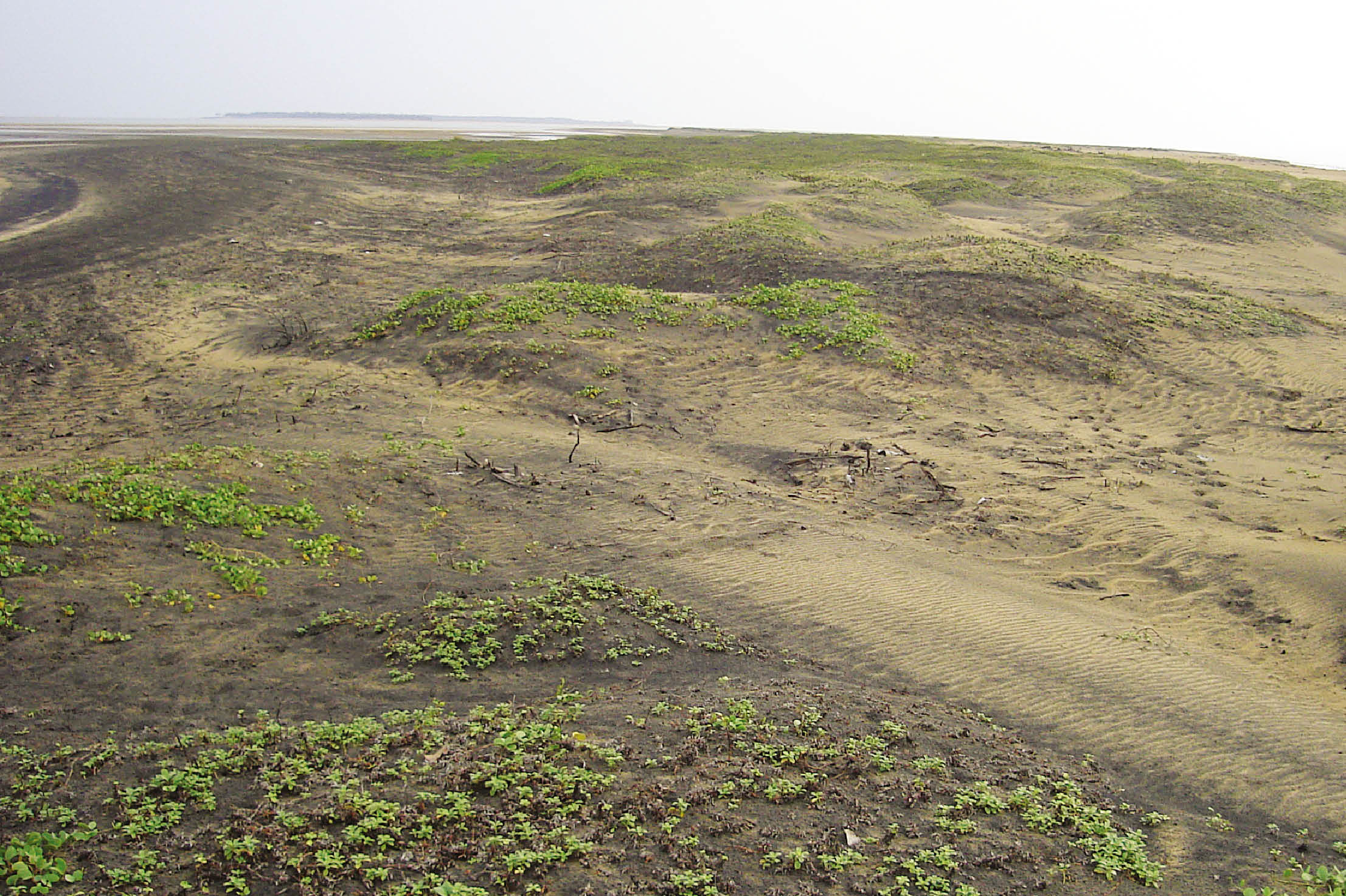
Land degradation in the form of soil carbon loss is estimated to have been ongoing for at least 12,000 years but increased exponentially in the last two centuries.
According to Dr. Dulce Flores‐Rentería is Professor, SECIHTI-Centro de Investigación y de Estudios Avanzados del Instituto Politecnico Nacional (Mexico) and IPCC Special Report on Climate Change and Land Lead Author for Chapter 4, “Soil Degradation”, currently, land degradation affects between 25% and 40% of the planet, directly impacting the well-being of at least 3.2 billion people.
Human activities lead to the degradation of approximately 12 million hectares of land annually, resulting in an estimated 10% loss in gross domestic product (GDP) associated with the reduction of ecosystem services and biodiversity, according to Flores‐Rentería article which seen by “Food & Climate” platform.
Features of land degradation
Unsustainable farming practices, compounded by climate stress, drive soil erosion, desertification, and nutrient depletion. The loss of soil organic matter and biodiversity impairs water retention and nutrient cycling, undermining the foundation of productive regenerative agriculture, Flores‐Rentería said.
However, the impacts of these processes are not the same in society. Smallholder farmers are disproportionately impacted, particularly in developing regions such as Sub-Saharan Africa, South Asia, and Latin America.
These communities, often dependent on rain-fed agriculture, already face poor soil conditions and limited adaptive capacity. Moreover, a high proportion of low-income and Indigenous populations in these regions rely heavily on local food systems, making them especially vulnerable to climate-induced disruptions.
One example of very high vulnerability to climate change is pastoralism, which is practiced in more than 75% of countries by between 200 million and 500 million people. Pastoral system vulnerability is exacerbated by non-climate factors such as land tenure, changes in traditional institutions, invasive species, lack of markets, and conflicts.
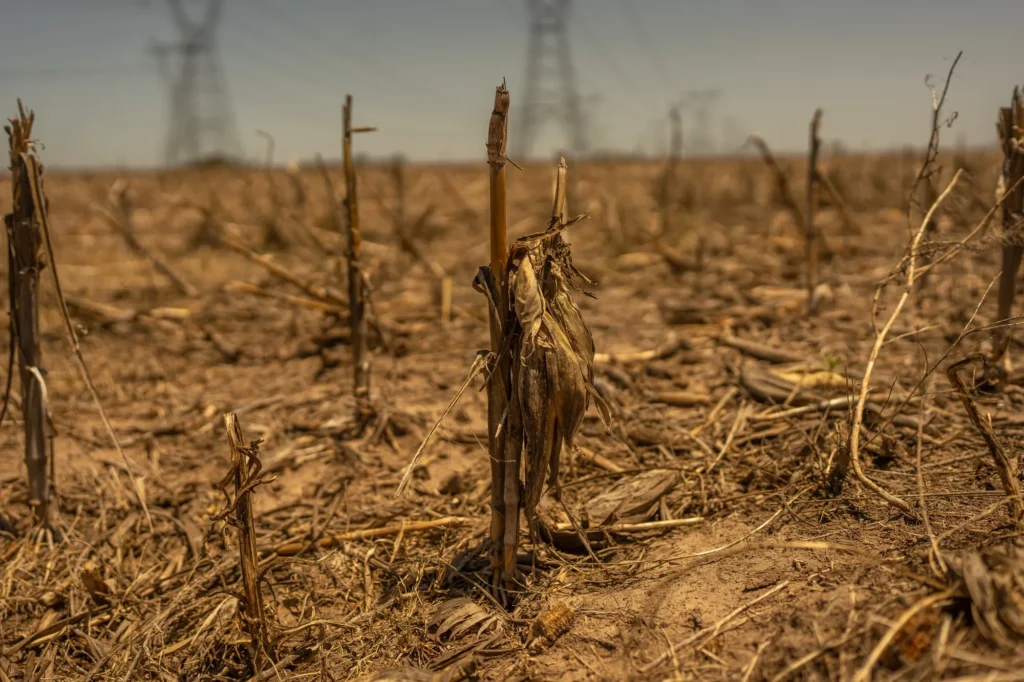
Due to the intricate interconnections among global environmental crises – climate change, land degradation, pollution and waste, and biodiversity loss – solution pathways must consider these interactions. Such an integrated approach may yield multiple co-benefits or lead to trade-offs and unintended consequences, she added.
Substantial evidence demonstrates that crop fields managed sustainably outperform those without sustainable management in several key aspects, Flores‐Rentería said.
Fields under sustainable management tend to retain more topsoil, maintain higher moisture levels, support higher vegetation cover (leading to increased soil carbon sequestration), store more soil carbon, experience less erosion, and incur lower economic losses following cyclones. The benefits of SLM become even more pronounced in more extended implementations, especially coping with increased storm intensity and steeper slopes.
When addressing land degradation through SLM, it is essential to consider feedback mechanisms that influence other environmental crises.
For instance, land-use practices can reduce GHG emissions and enhance ecosystem resilience due to the reduction of agrochemicals, also contributing to minimizing soil contamination and protecting groundwater by reducing runoff nutrient loss. One of the objectives of these practices is to promote the integration of native species, which further contributes to biodiversity conservation and overall ecosystem health.
The impact of reducing meat
Considering predictions on future food needs, the dietary shift is a key variable in how much food is required by 2050. Reducing meat intake will contribute to sustainability, with the co-benefit of improved public health; however, eliminating meat consumption may not be realistic or beneficial for all. On the one hand, producing less meat can lower emissions and reduce pressure on land and water resources, fostering more sustainable land use.
On the other hand, meat provides high-quality protein, essential vitamins, and minerals, which are critical in many diets, particularly in regions with limited alternative sources. Moreover, livestock farming supports millions of farmers and pastoral communities, especially in areas where alternative agricultural practices are challenging. Livestock production can enhance soil fertility, sequester carbon, and contribute to biodiversity when managed sustainably. Meat production can be part of a regenerative agricultural model that benefits the environment and local economies.
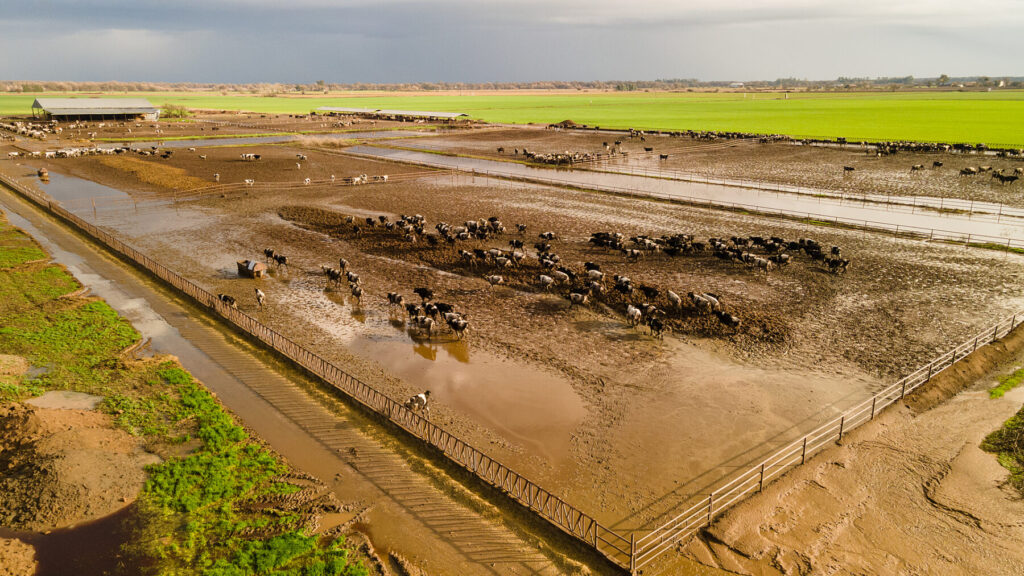
Sustainable livestock practices focus on managing animal grazing in ways that restore and enhance soil health, biodiversity, and ecosystem resilience. Specific practices include: rotational grazing, allowing vegetation to recover between grazing periods; integrating livestock with crop production, facilitating natural nutrient recycling; promoting native pasture species to support local ecosystem dynamics; and implementing genetic management strategies to maintain livestock diversity and resilience. These practices improve soil organic matter and water retention, reduce the need for synthetic fertilizers, and enhance overall farm sustainability. In addition, they support balanced ecosystems that can better withstand climate variability and pest pressures, according to “SDG“.