

Food & Climate
Global food production forecasts are optimistic, with 1.7 trillion eggs produced and rice expected to reach a record high, yet remain at the mercy of adverse weather conditions, ongoing geopolitical tensions, trade policy uncertainty, and economic conditions, according to a new report released by the Food and Agriculture Organization of the United Nations (FAO) on Thursday, June 12, 2025.
FAO’s latest assessments indicate a relatively optimistic outlook for global food commodity markets, with anticipated to increase across all commodities, except sugar, according the report that “Food & Climate” platform received.
Regarding core agricultural commodities from global food production, world output of rice, maize, sorghum and oilseeds are expected to reach new record levels.
“While agricultural production trends appear solid, drivers that could negatively impact global food security are increasing,” said FAO Chief Economist Maximo Torero.
The FAO late biannual publication provides market assessments and updated forecasts for the global food production, trade, utilization and stocks of major food commodities, including wheat, coarse grains, rice, oil crops, sugar, meat, dairy products, and fisheries.
Global food production from wheat and rice
Global wheat production is forecast to increase modestly in the coming year, while per capita food consumption declines. Output gains are anticipated to be largely driven by a 13% increase in the European Union owing to a weather-driven upturn in yields, as well as a potential all-time record harvest in India driven by increased planting areas.
Coarse grain production is expected to increase by 3.4% to a record level, buoyed by solid prospects in Brazil, the European Union and especially the United States of America, which is forecast to boost maize output by 6.0% mostly due to an expansion in sowings.
More favorable weather ought to lift maize production in Southern Africa as well.
FAO also released it first forecast for world rice production, anticipating a 0.9% annual increase to reach a new record high of 551.5 million tonnes, due mostly to anticipated production increases in Asia.
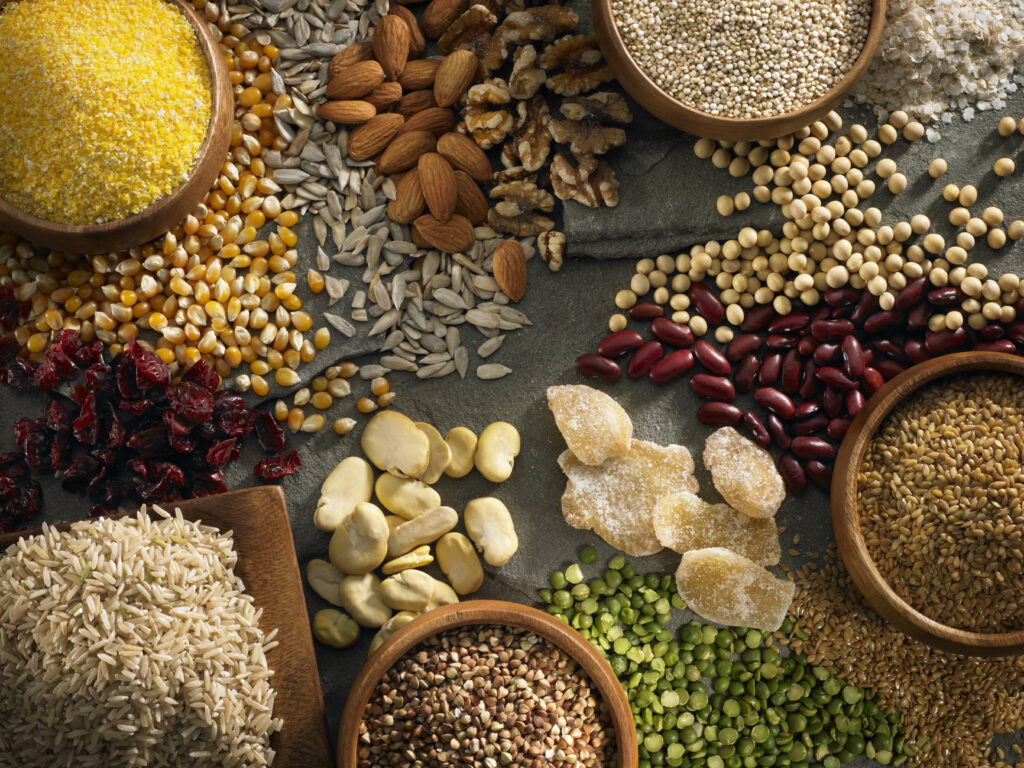
International rice trade is forecast to expand by 1.4% in 2025 to reach a record high of 60.5 million tonnes, fuelled by strong demand from Africa and rising exports from India and South America. Global per capita food consumption of rice, the most important grain for human diets, is expected to increase globally, with a particularly robust 2 percent increase in Low-Income Food Deficit Countries.
The Food Outlook also presents FAO’s updated figure for the global food import bill (FIB) in 2024, which is estimated to have risen by 3.6% from the previous year to nearly $ 2.1 trillion. This increase was primarily driven by a 29.3 surge in import costs for coffee, tea, cocoa and spices, an 8.1% increase in the import bill for fruits and vegetables, and 5.6% rise in that for meat products. By contrast, the import bill for other food commodity groups declined, including a 4.6% decrease for cereals.
In 2025, trade tensions and policy uncertainty will likely affect the global food import bill by influencing import volumes and prices, especially for sensitive products like tropical beverages and animal goods. The impact will vary by country and commodity, depending on factors like import dependency and availability of alternatives. Adverse weather events and supply chain disruptions may further drive-up import costs.
HPAI is impacting the poultry sector
The Food Outlook includes a special feature examining how high pathogenicity avian influenza (HPAI) is impacting the poultry sector around the world. Despite recurrent outbreaks over the past four years, poultry meat export patterns have remained resilient.
In 2025, Brazil – the world’s third-largest poultry meat producer accounting for nearly 30 % of global exports – reported its first commercial poultry farm case of HPAI.
Global hen egg production reached 91 million tonnes – or approximately 1.7 trillion eggs – in 2023, with China contributing 38%, followed by India and the United States at about 8 and 7%, respectively. Although only 2.2 million tonnes are typically traded, that volume nearly doubled in 2024. As a result, egg price volatility remains an issue.

The impact of HPAI on global food production is mainly felt in the egg-laying sector, as broiler chickens have a shorter production cycle and are typically raised in closed housing systems.
HPAI has “escalated into one of the most significant biological threats to the global poultry sector,” affecting more than 173 million chickens in the United States of America alone since 2022 and triggering outbreak management and farmer indemnity costs exceeding $1.4 billion as of late 2024.
HPAI variants spready by migratory wild birds have long been a problem, but outbreaks since 2020 show a more persistent and widespread pattern with greater economic impacts.
Related Topics:
Food and agriculture requhttps://fandcnews.com/crops/2445/food-and-agriculture-require-a-12-fold-
Ukraine’s rural communities need immediate support to produce food