
Food & Climate
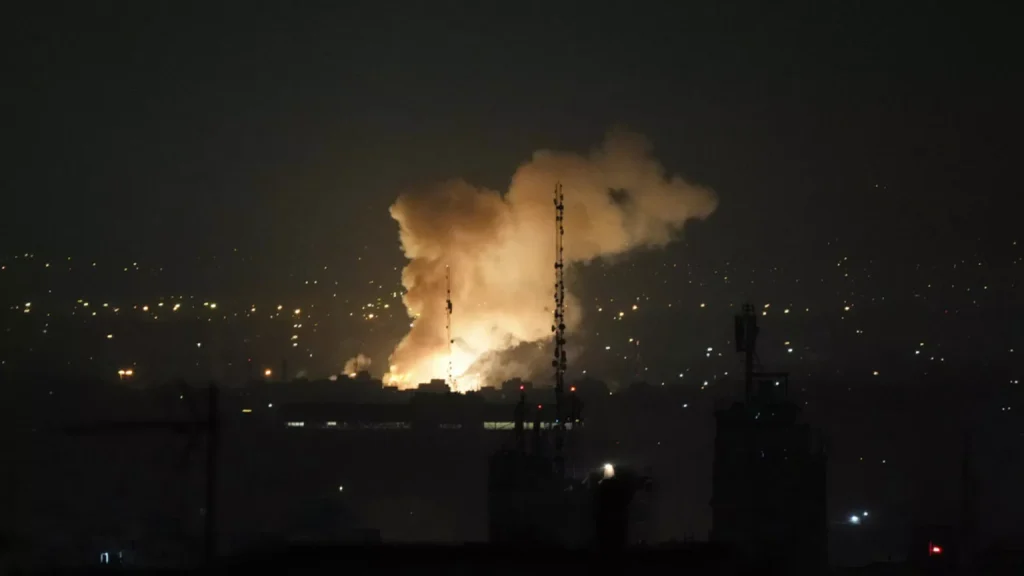
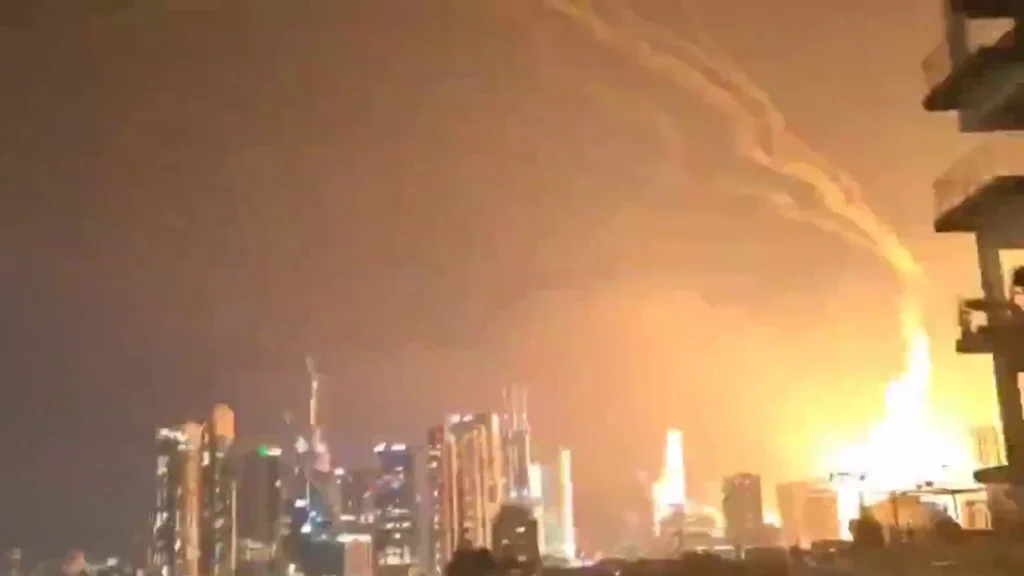
Strikes on Iran have reduced pressure on Israel to end the starvation in Gaza, as critics of the war will be more reluctant to push for an end to the war while missiles from Tehran are killing people in Tel Aviv.
In the hours following Israel’s attack on Iran, food shipments and distributions to Gaza were halted, and a French-Saudi summit that was supposed to pave the way for broader recognition of a Palestinian state was postponed indefinitely, according to a report seen by “Food & Climate” Platform.
International pressure over the starvation in Gaza and the killing of civilians in the Strip appears to have dissipated within the short time it took for the smoke from the first missile strikes to clear over Tehran.
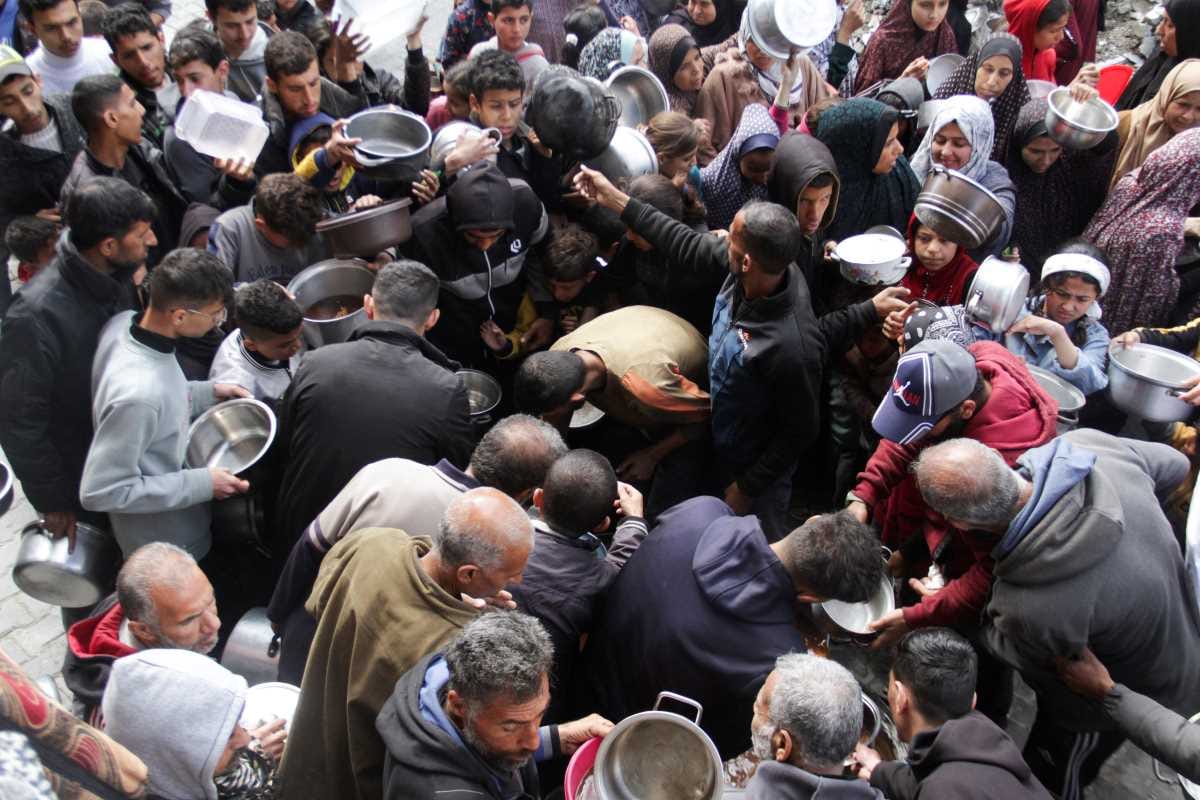
The latest assessment from FAO and UNOSAT warned from starvation in Gaza, that the entire population of the Strip – approximately 2.1 million people – is facing a critical risk of famine following 19 months of conflict, mass displacement, and severe restrictions on humanitarian aid.
According to the IPC report, between 1 April and 10 May 2025, 93% of the population, which translates to 1.95 million people, were classified in Crisis or worse (IPC Phase 3 or above), including 925,000 (44 percent) in IPC Phase 4 (Emergency) and 244,000 people, or 12 percent of the population, in IPC Phase 5 (Catastrophe). In Phase 5, the population is subject to catastrophic levels of food insecurity and faces starvation.
Gaza relegated to second place
Israel’s military moved fast to declare Iran its top priority, with the battle for Gaza relegated to second place. That shift was echoed in foreign ministries and newsrooms around the world.
“The fact that Israel attacked Iran doesn’t mean [the war in] Gaza ended. Today we had dozens of people killed, the only difference is this will have far less attention than yesterday,” said Xavier Abu Eid, a political scientist and former adviser to the Palestine Liberation Organisation.
“Israel’s message [with these attacks] is that there is no political solution for anything in the region. By striking Iran they want to sabotage the US-Iran negotiations as well as the international wave of support for concrete measures on Palestine.”
The decision by Israel’s prime minister, Benjamin Netanyahu, to take out the security threat posed by Iran’s nuclear programme had also defanged a significant diplomatic and economic threat to his government.
Some of Israel’s closest allies in Europe had become increasingly outspoken about both the impact of the war in Gaza on civilians, and escalating violence by Jewish settlers against Palestinians in the occupied West Bank.
Even historically strong alliances with countries such as the Netherlands and Germany had been faltering in the face of an 11-week siege of Gaza, UN warnings of a looming famine and repeated mass killings of hungry crowds trying to reach food distribution sites.
The EU last month announced a human rights review of its wide-ranging free trade deal with Israel, with findings originally expected at meeting of the bloc’s foreign affairs council later this month.
Its recommendations could pave the way for Europe to potentially leverage its considerable economic power as Israel’s biggest trade partner, accounting for more than 30% of imports and exports.
The UK, Canada, France and Norway this month imposed sanctions on two Israeli cabinet ministers “for their repeated incitement of violence against Palestinian civilians”, and warned other steps could follow.
The Franco-Saudi summit on a two-state solution raised expectations that major European nations were preparing to unilaterally recognise a Palestinian state. It alarmed Israel and its allies in the US so much that Washington issued a formal diplomatic warning against attending.
Starvation in Gaza worsens
For now, at least, that sense of diplomatic momentum that might halt the war in Gaza has gone. Even governments that have become more openly critical of Netanyahu’s war in Gaza will be reluctant to press for its end while missiles from Tehran are killing people in Tel Aviv.
“Its regrettable that these attacks come at a time when there were interesting developments [on Palestine and the war in Gaza],” said one western diplomat.
Emmanuel Macron said the attacks on Iran should “in no way make us forget Gaza”, and told journalists that the summit was only delayed for pragmatic security reasons. It would go ahead as soon as possible, he said, but could not set a date.
In Gaza many people were oblivious to the war and all the diplomatic manoeuvring it had set off, because one of the longest communications outages of the war had plunged much of the territory into isolation.
Phone and internet networks were down from Wednesday because of damage to key fibre-optic cables, the UN said. “Since April, Israeli authorities have denied more than 20 requests to carry [urgent repair] work,” the UN aid coordination office said.
That meant they could not see new evacuation orders posted by Israel’s military spokesperson, or warnings that the war in Gaza would continue “with extreme force”.
They also could not access announcements from the Gaza Humanitarian Fund, the new US and Israeli backed organisation distributing some food in the strip from compounds guarded by the Israeli military.
“We were ordered to stand down,” the GHF said in a statement to international press. “We have asked the IDF to facilitate the ongoing delivery of aid as soon as possible.”
GHF uses only Facebook to communicate with Palestinians. So hungry, oblivious crowds approached centers on Saturday morning, as they had done since late May. Gunfire from Israeli soldiers killed at least 15 of them.
Israeli attacks killed at least seven other people overnight, local health authorities said. There had been a decline in airstrikes, as the Israeli military shifted its focus to Iran. But on Friday an Israeli military spokesperson warned that operations there would continue “with extreme force” and on Saturday new evacuation orders were issued.
“Starvation in Gaza worsens, the siege intensifies, and the dead are everywhere,” Al Jazeera journalist Anas al-Sharif wrote in a post on X, saying Gaza was “immersed in complete isolation from the world”, according to “The Guardian“.
Related Topics:
Famine in Gaza is approaching, and FAO calls for immediate aid access
FAO: Gaza’s agrifood systems infrastructure are devastated by the conflict