
Food & Climate
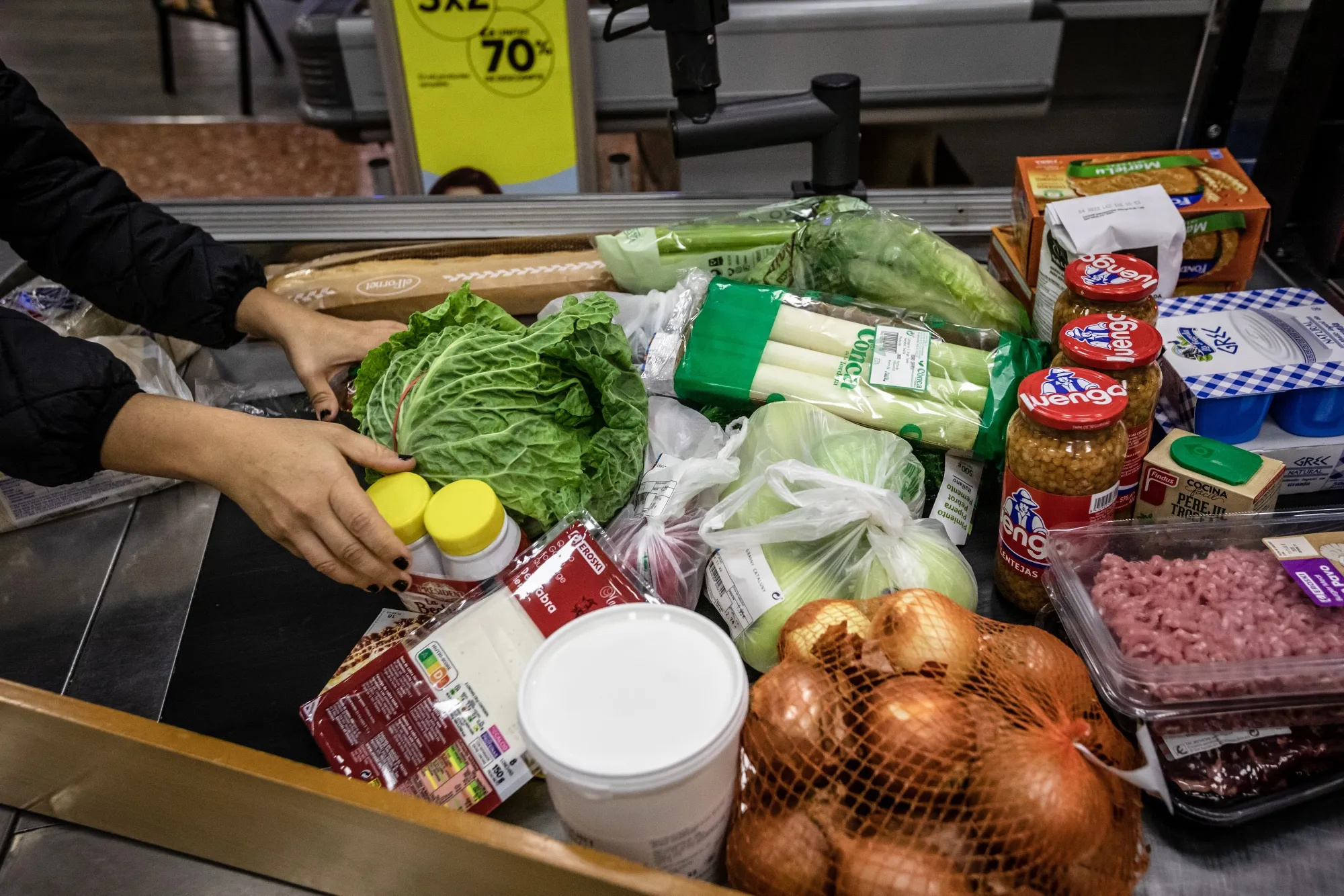
A new report examines the growing phenomenon of “climateflation” in the UK, predicting that the food bill for British households could increase by approximately £1,247 ($1659) annually by 2050 due to climate shocks.
This is due to the negative impact of climate shocks on food prices, which the report predicts will increase by about a third by the middle of the current century (2050).
According to estimates from the new report issued by the Autonomy Institute, titled “On the Horizon: Climate Inflation and Food Prices,” under a high-emissions scenario, British households could see an additional £1,200 in annual British food bills due to climate shocks.
Under high-emission scenarios, food prices could rise by 34% in the UK due to heatwaves and droughts internationally and at home, the report said, according to the report that seen by “Food & Climate” platform.
This ‘climateflation’ will be caused by the impact of increasing heatwaves and droughts on global supply chains, as well as other extreme weather events and climate-related impacts on key farming resources like fertiliser.
The food bill for British households is being affected by imports
As the UK imports almost half its food, the country is extremely dependent on European and global supply chains.
Additionally, weather conditions could put British agriculture at risk, with crops like wheat and barley being increasingly affected by droughts and flooding, according to the Autonomy Institute new report.
The East, North West and South West of England will be most affected by heatwaves, with children and working-age adults the most vulnerable demographic groups.
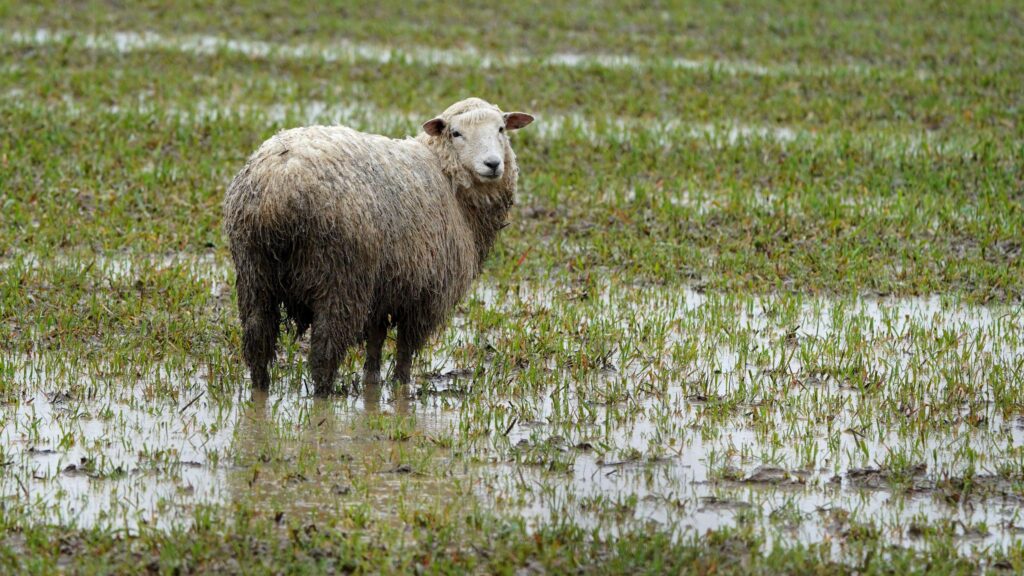
The UK is already feeling these effects. The 18 months from October 2022 were the wettest on record and, before that, in Summer 2022, England recorded its first heatwave surpassing a 40C high.
The first seven months of 2024 witnessed continuous rainfall, which, according to experts, weakened economic performance and reduced consumer spending.
According to data released in June of last year by the Office for National Statistics, some retail companies reported that production in April of the same year declined due to the wet weather during the month.
The Guardian newspaper noted in a report published last July that the United Kingdom had suffered its wettest 18 months since records began, leaving soils waterlogged and some farms completely underwater.
The impact on crops was catastrophic. Data released by the Department for Environment, Food and Rural Affairs shows that vegetable production fell by 4.9% year-on-year to 2.2 million tons in 2023, and fruit production fell by 12% to 585,000 tons.
65% of farmers saw their profits fall
A 2024 poll by the National Farmers’ Union (NFU) found that eight in ten farmers experienced either ‘fairly negative’ or ‘very negative’ impacts to their land and infrastructure from extreme weather that year. 65% of respondents confirmed a year-on-year fall in profits.
Climateflation, the Institute noted, will disproportionately affect lower-income households, which spend a larger percentage of their total budget on essential items like bread and rice.
The Institute set out a number of policy recommendations for the UK Government in light of the findings. It states firstly the Government should provide basic essentials to all UK households free of charge, including food items meeting a percentage of calorific and nutritional needs for every person in the UK.
Additionally, it suggests the UK set up a buffer stock system to stabilise food prices and avoid supply chain disruptions; place temporary price caps on essential food goods during periods of inflation to avoid consumer burden; and create long-term investments in regenerative agriculture and farming to build resilience in domestic UK food supply.
The UK Government has been court-mandated to publish new plans to reduce emissions by October 2025. It will also need to set out an updated national climate adaptation plan before 2028, covering 2029-2034.
This warning comes shortly after the UK Government unveiled its new National Food Strategy for England, setting out reforms to the country’s food system and creating priorities to minimise risk to the food sector from climate change.
The strategy aims to create a food environment that supports healthier and more sustainable choices and improves access to safe, affordable and appealing food for everyone.
It also outlines conditions to support growth in the food sector, including investment in innovation, improved productivity and more transparent supply chains. Developing a skilled workforce in all regions is another core objective.
On production and trade, the strategy focuses on reducing environmental impact, maintaining animal welfare standards, cutting food waste and supporting export growth while protecting UK standards. It also seeks to strengthen domestic food production and improve preparedness for supply chain shocks and long-term risks.
The Government acknowledges that delivering these outcomes will take time and will depend on action from government, the public sector, industry, civil society and individuals. Businesses will need time to adapt to new product standards and marketing practices. Ministers say the government will provide a clear direction so that change can be planned and implemented in stages.
The Strategy is not a binding policy instrument; it is more of a vision document. Changes to existing legislation and/or new legislation will be required to deliver its promises in full, according to “edie“.