
Food & Climate
The Food and Agriculture Organization of the United Nations (FAO) warned of rising nitrogen fertilizer prices, which negatively impact global food production.
The organization said on Friday, September 5, 2025: “The Agricultural Market Information System (AMIS), hosted by FAO, also published its monthly Market Monitor. In addition to the regular market updates, the report noted the climbing prices of nitrogen fertilizers and warned that fertilizers are becoming less affordable compared to crop prices in many regions, which could impact application rates”, according to the report that “Food & Climate” platform received.
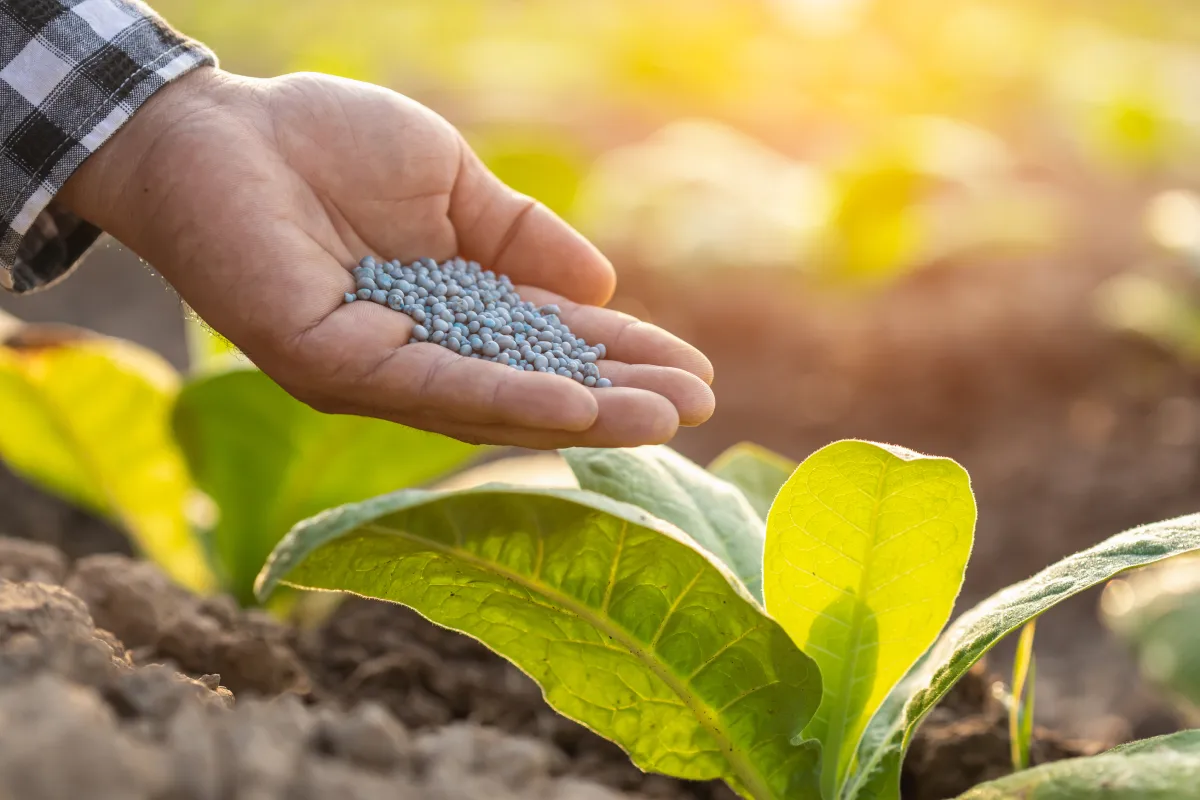
Nitrogen fertilizer is defined as a chemical compound that provides nitrogen, an essential nutrient for plant growth, with ammonia being the most concentrated and cost-effective source.
Common forms include ammonium nitrate, ammonium sulfate, and urea, each varying in nitrogen content and application methods.
Since the Haber-Bosch process for synthesizing N fertilizer was developed early in the 20th century, its importance in maintaining the global food supply has rapidly grown. Approximately half the food produced now in the world is supported by the use of N fertilizer.
The Haber-Bosch process synthesizes nitrogen (N) fertilizer by reacting atmospheric nitrogen gas (N₂) with hydrogen gas (H₂) under high temperatures (400–500°C), high pressures, and using an iron catalyst to produce ammonia (NH₃).
This ammonia is the foundation for most N fertilizers, a process developed by Fritz Haber and Carl Bosch to industrialize nitrogen fixation for agriculture.
The process is crucial for global food production but is also highly energy-intensive and reliant on fossil fuels, leading to significant greenhouse gas emissions.
Nitrogen fertilizer Prices Up 20%
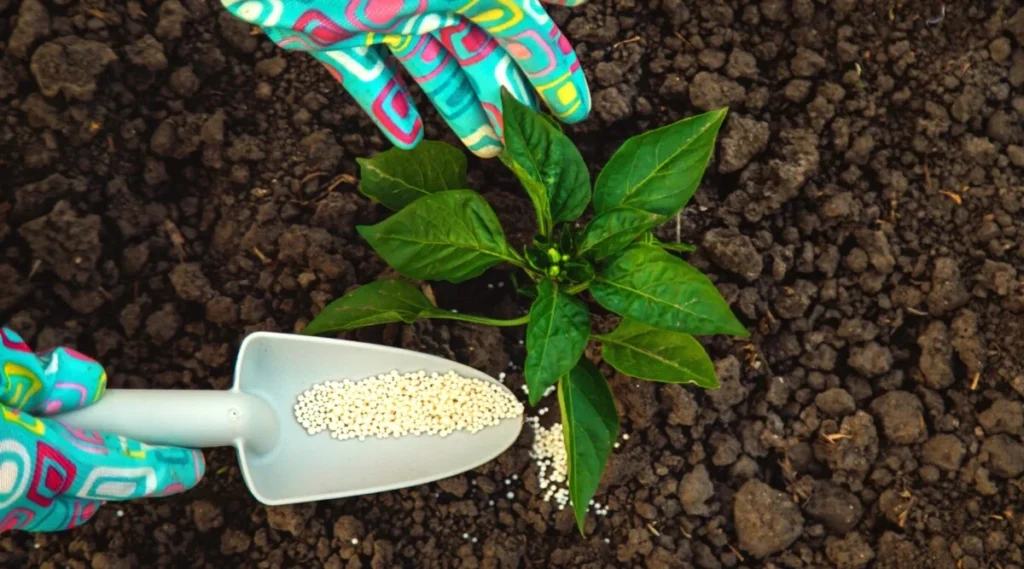
Harvest is around the corner, and as farmers begin looking ahead to next year, fertilizer will be a big input to consider. It is also one of the most volatile markets.
Researchers at the University of Illinois found nitrogen prices have been as much as 20% higher this year over last. While prices are down significantly from highs we saw in early 2022, they are still above historical trends.
Analysts expect anhydrous to hold at $750-$800 per ton through the fall. They also suggest getting price quotes from multiple sources given everyone’s tight financial situations lately.
DTN analysts found no significant changes in the prices of some of the most common fertilizers in the first week of last month. However, looking back a year, seven of the eight major fertilizers are now more expensive.
Analysts with DTN found no major changes over the last week on prices of some of the most popular fertilizers. However, looking back one year, seven of the eight major fertilizers are now more expensive.
UAN-32 takes the lead, coming in 32% more expensive than last year. The only fertilizer to see a year-over-year price drop is potash, coming in four percent off this time last year.
Influencing Factors
Many factors influence fertilizer application decisions including crop rotation, weather, prices, expected returns and nutrient management considerations. Nitrogen is an essential nutrient for the production of many crops, including corn.
Recent spikes in fertilizer prices and ongoing global supply concerns associated with the war between Russia and Ukraine have led to increased fertilizer costs and increased availability concerns among producers.
This leads to greater incentives for farmers to optimize fertilizer efficiencies to control costs and limit nutrient losses.
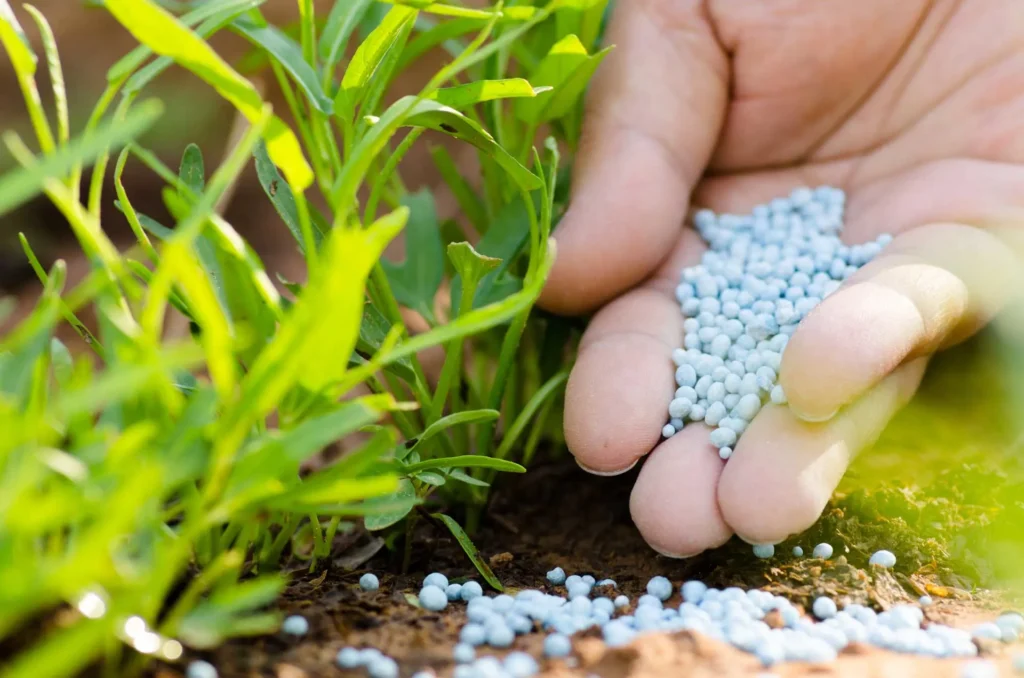
This article provides some results from a farmdoc survey of farmers conducted in the fall of 2024 focused on their input decisions and local input markets. Results suggest that farmers consider various factors and utilize a range of sources of information in making their application rate and application timing decisions. While multiple factors impact application timing decisions, nutrient losses are a top-ranked consideration among surveyed Illinois farmers.
In the fall of 2024 we conducted an online survey as part of a research project supported by the Illinois Corn Growers’ Association.
About 40% of respondents indicated their nitrogen is mainly custom applied, 25% mainly self-apply their nitrogen, and the remainder include a mix of both. When custom applied, most farmers use local private retailers or cooperatives.