
Food & Climate
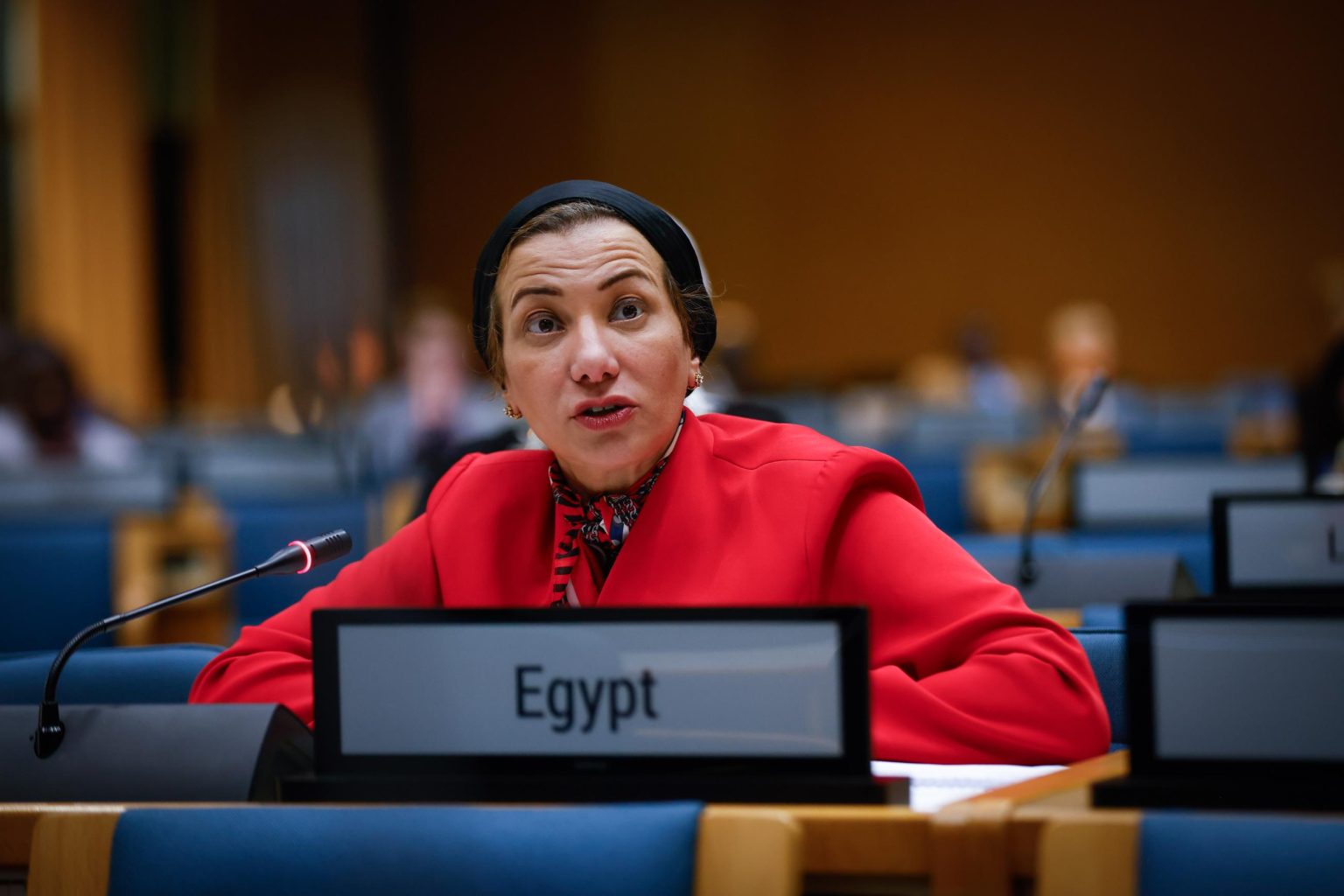
The Executive Secretary of the United Nations Convention to Combat Desertification, Yasmine Fouad, believes that developing countries and the women, are the most affected by the crises of desertification, drought, and land degradation, as they own one-fifth of the world’s land.
In her first interview since assuming this position, Fouad said that these crises exacerbate poverty and gender inequality in these countries.
Fouad, the former Minister of Environment of Egypt, was appointed to her new position last May (2025). In an exclusive interview with UN News, she said, “The lives of people in developing countries, especially in Africa, depend directly on land, primarily agriculture and irrigation, in addition to natural resources.
She added, “Therefore, the income of these communities is negatively affected by the spread of desertification or drought, which exacerbates poverty rates. Women own one-fifth of the land, which means that drought crises further reduce their share and widen the gender gap.”
She also pointed out that developed countries are not isolated from the issues of land degradation and drought, especially since a large portion of the world’s food comes from the natural resources and land in these countries and others, according to a report received by “Food & Climate” platform.
Fouad Action Plan for the United Nations Convention to Combat Desertification
The Executive Secretary of the United Nations Convention to Combat Desertification believes that this agreement is “of great importance,” especially since it provides an opportunity to link many topics that go beyond the technical, technological, and scientific issues related to land degradation, desertification, and drought.
She continued, “One of these fundamental aspects is the link between Several issues, including land degradation, desertification, drought, and global crises, including the crisis of supply chains and food systems, conflicts, forced migration, and instability in some local communities,” are one of two axes on which Fouad’s vision for the work of the convention in the next phase has been based, since assuming this position in August 2025.
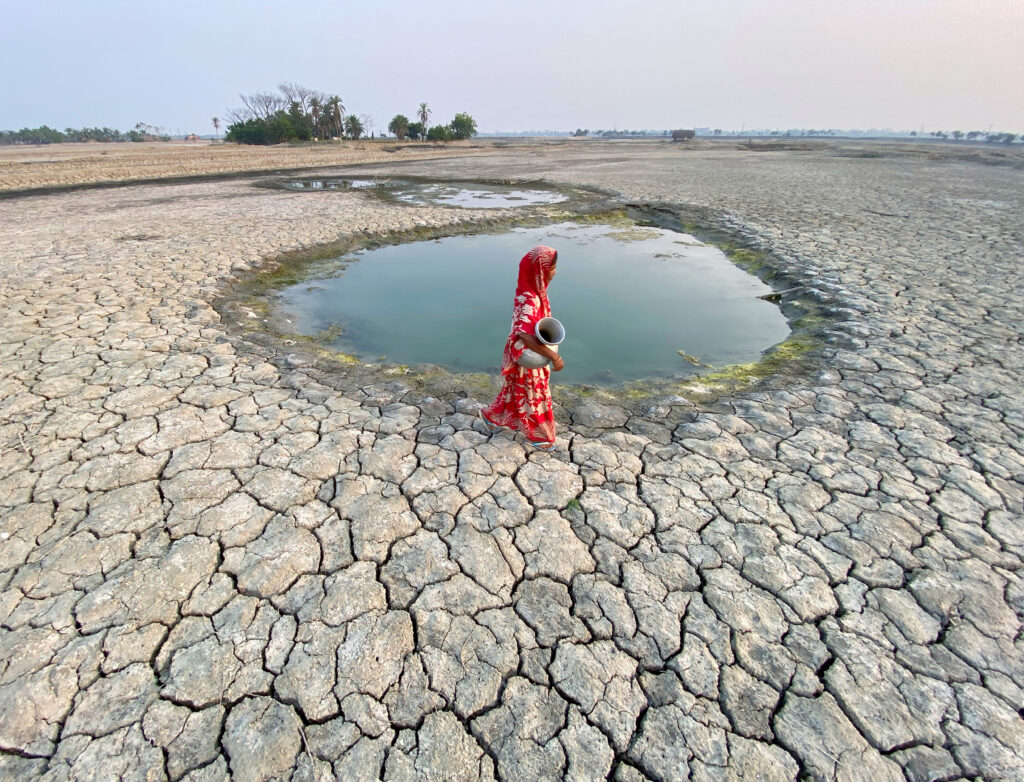
The other axis is to ensure interconnectedness between the United Nations conventions to combat desertification, the United Nations Framework Convention on Climate Change, and the Convention on Biological Diversity, especially since “the issue of land is closely linked to climate change,” and “desertification is linked to the loss of biodiversity and the conservation of certain species, the existence of which is essential for healthy and safe ecosystems,” the UN official said.
The agreements, known as the three “Rio Conventions,” are the outcomes of the historic 1992 Earth Summit held in Rio de Janeiro, Brazil.
The UN official emphasized that the focus in the next phase will be on “resilience to rapidly accelerating severe droughts, building sustainable food systems, and gender equality.”
She pointed to the “mechanism the agreement’s global financing provides assistance to countries through various projects, particularly for developing countries.
She said that these projects are the link that multilateral action currently needs, by “linking political discourse and what is agreed upon at the Conferences of the Parties between developing and developed countries, with what is being implemented on the ground.”
Opportunities for the Arab Region
Arab countries are among the regions suffering from desertification, drought, and land degradation, and are primarily affected by water scarcity.
Fouad said that the role of the agreement is to provide a direct opportunity for the effective management of water resources, through technologies such as drip irrigation, seawater desalination, and wastewater reuse, and to expand these solutions, directly linking land and water.
There are also “nature-based” projects supported by the agreement, such as the cultivation of crops that can withstand high temperatures and resist drought, in addition to sand dune stabilization projects. “All of this ensures food security in Arab countries,” according to Fouad.
She pointed to opportunities for regional cooperation through joint projects involving more than one country, in areas such as early drought warning.
She also spoke about the high-level political commitment of the countries of the region to the three conventions, including the Convention to Combat Desertification.

Saudi Arabia hosted the 16th Conference of the Parties to the United Nations Convention to Combat Desertification (COP16) in 2024.
The next Conference of the Parties (COP17) will be held in Ulaanbaatar, the capital of Mongolia, in August 2026.