
Food & Climate
A study found 99 wild edible plants and nine fungi species from 38 families in the western Himalayas of Kashmir and discovered that women had more knowledge about their abilities to grow in harsh climates.
The study was published in “Forest Policy and Economics” journal said: the continued cultivation of these edible plants opens the door to enhancing food security, according a report seen by “Food & Climate” platform.
In the last few decades, development projects and climate change hit hard the availability of wild food species and their cultivation, contributing to a loss of knowledge.
The study found 99 wild edible plants species and nine fungi species from 38 families used in the hearty meals and preparation of four ethnic groups; the Pahari, Gujjar, Kashmiri and Bakarwal.
Among them, Pahari people used the highest number of wild plants species followed by Gujjar, Kashmiri and Bakarwal.
The use of tender leaves for food and medicinal purposes was the most frequent overall, while the tubers were the least used.
Traditional knowledge
While there were similarities and differences in food species and dietary practices between the groups, intergenerational traditional knowledge gap between elders and the young was the major driving force for traditional knowledge loss among these communities, according to “India Mongapay”.
“The documentation which is first of its kind done from the perspective of food ethnobotany, was crucial given the species richness among ethnic groups and the [loss of traditional] knowledge impacted by multiple factors,” said Shiekh Marifatul Haq, one of the study’s authors and an ethnobiologist from Ilia State University in Georgia.
Unlike other mountain communities, loss of traditional plant knowledge in Kashmiri communities whose economic status is more stable is happening because locals prefer buying vegetables from markets and stores rather than foraging in the wild.
“This economic transition failed to strengthen the valuable knowledge that existed in the community and transfer it to the next generation for preservation,” Haq added.
In contrast, Gujjar and Pahari communities living near forests actively use traditional wild plants and medicine for sustenance strengthening their capability to remember.
They forage for wild edible plants and foods and successfully sell them in local markets at a reasonable cost.
The authors say this is an example of traditional foods helping boosting food security. Of the wild plant species studied, 19 of them are of had high economic value, availability and ability to grow in harsh climates.
In the face of climate change, the authors say that some of these wild edible plants can help adapt to extreme weather, like the decline in rainfall and snowfall which the Kashmiri Himalayas are prone to and show promise in enhancing food security.
“Many herb species like Palanga, (Capsella bursa-pastoris), Haand (Cichorium intybus), Masnoori (Portulaca oleracea), Lakut-Gull (Plantago lanceolata) and Heand (Taraxcum officinale) which are climate resilient and grow as weeds in the study area. These could additionally become a part of home gardens to overcome food scarcity issues in near future,” says Haq.
Because of their high value, fifty-eight-year-old Kashmiri farmer Mohd Abdullah sees the loss of knowledge among those in the entire community as a problem.
“Walking up the Himalayas in search of food was a norm in our culture, but we now include our children so to inculcate these values and knowledge in them,” Abdullah said.
Wild vegetables
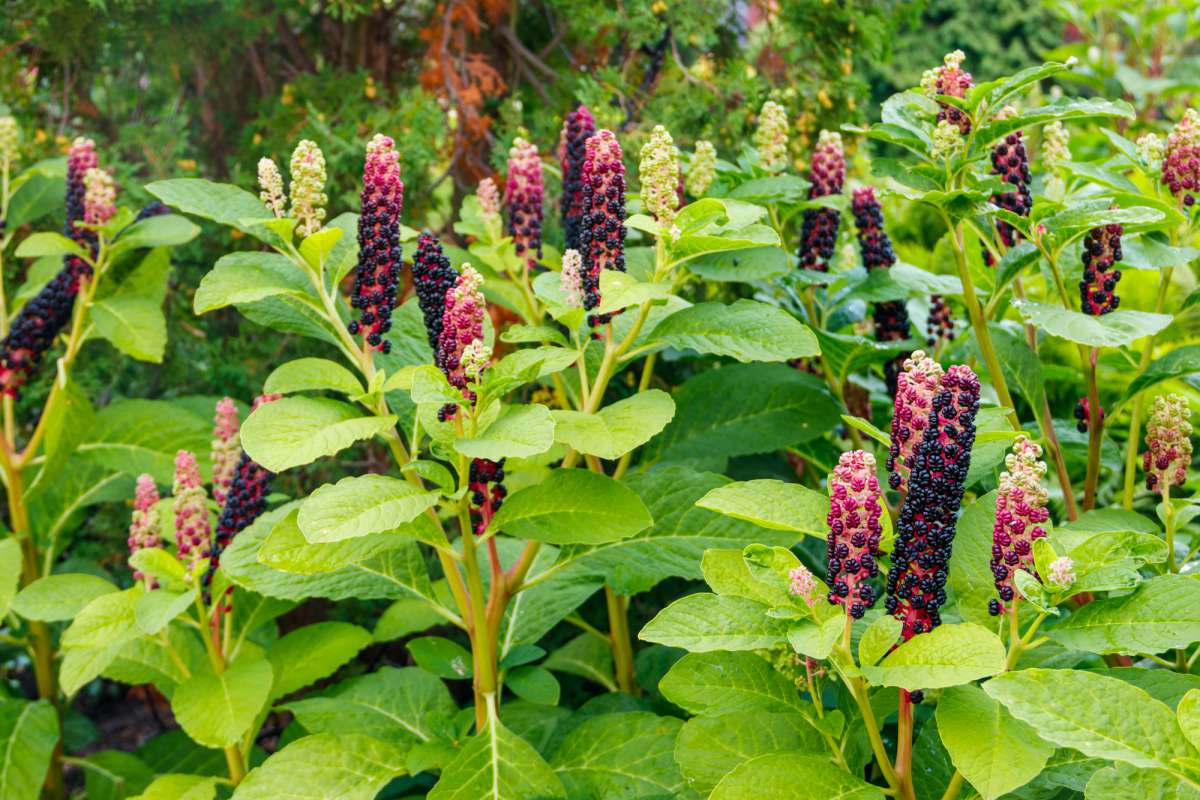
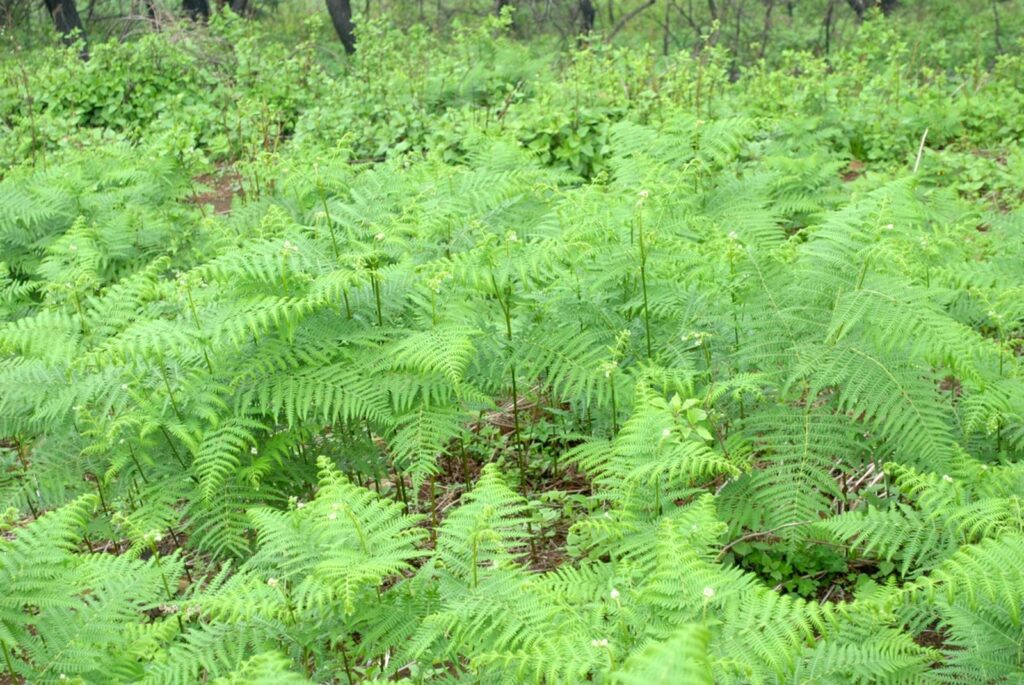
Wild vegetables are cooked, either stir-fried or boiled for meals, wild fruits are primarily consumed raw. For example, the stems of kunji (Pteridium revolutum), and tender leaves of herb (Phytolacca acinose), are boiled, dried, and preserved to consume for winters.
However, a number of challenges beyond a knowledge gap between the old and young remain. Gender plays a role in who remembers and knows, and who does not. As women most often actively participated in the food foraging process, they had more knowledge about wild edible plants (51.49%) as compared to men (45.51%) who mostly traveled outdoors for work.
“Forest Policy and Economics” is a leading scientific journal that publishes peer-reviewed policy and economics research relating to forests, according its website.