Food & Climate
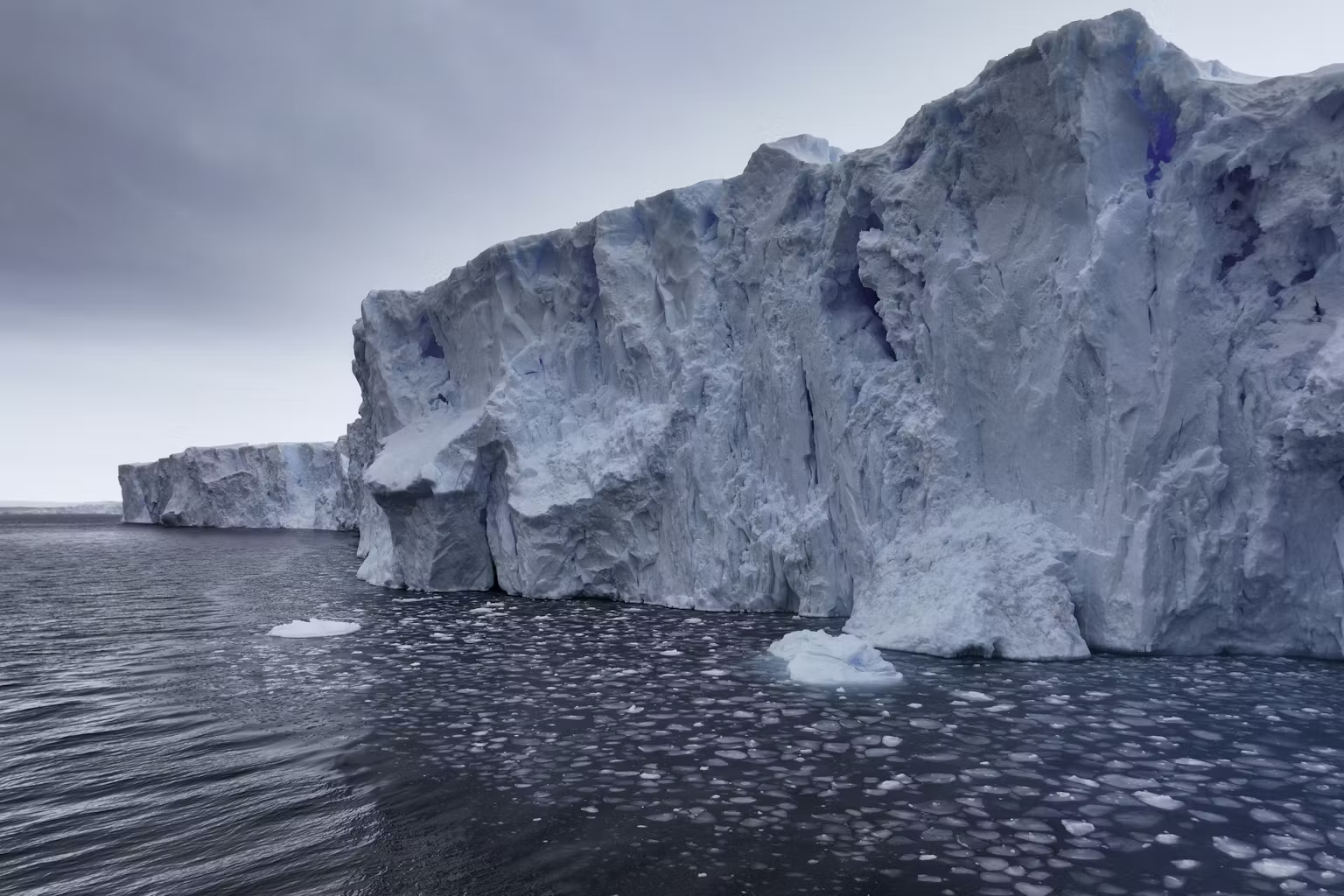
Glaciers are melting at unprecedented rates, exposing mountain communities and those below them to increased risks of water scarcity, natural disasters, and food insecurity. Can artificial alternatives be created? The Food and Agriculture Organization of the United Nations (FAO) answers in a report released on Thursday, December 11, 2025.
FAO celebrated International Mountain Day (IMD) 2025 at its headquarters in Rome, under the theme “Glaciers matter for water, food and livelihoods in mountains and beyond.”
The event called attention to the importance of mountains for life, launched a technical brief, and announced the Mountain Future Award 2025 winners.
Approximately 70% of the planets freshwater is locked in snow and ice, and meltwater from glaciers supports nearly 2 billion people, meeting daily water needs and sustaining hydropower, agriculture, industry, and biodiversity.
This year’s theme underscores the ongoing challenges and opportunities in mountain development and fosters alliances that advance positive outcomes for mountain communities and environments globally, according to a statement that Food & Climate received today.
Install sensors on a glaciers to monitor snow accumulation and melt
“Mountain communities continue to show remarkable ingenuity that has helped protect fragile mountain ecosystems for centuries. We need to strengthen support to these communities to help them turn these challenges into opportunities,” FAO Director-General QU Dongyu said in a video message at the high-level event.
Qu noted that FAO has already supported the construction of artificial glaciers in Kyrgyzstan, which in some regions have stored over 1.5 million cubic metres of ice – enough to irrigate stretches of land.
“In Bolivia, FAO and the International Atomic Energy Agency (IAEA) are helping install sensors on a glaciers to monitor snow accumulation and melt, to better inform farmers and policymakers on water availability,” he added.
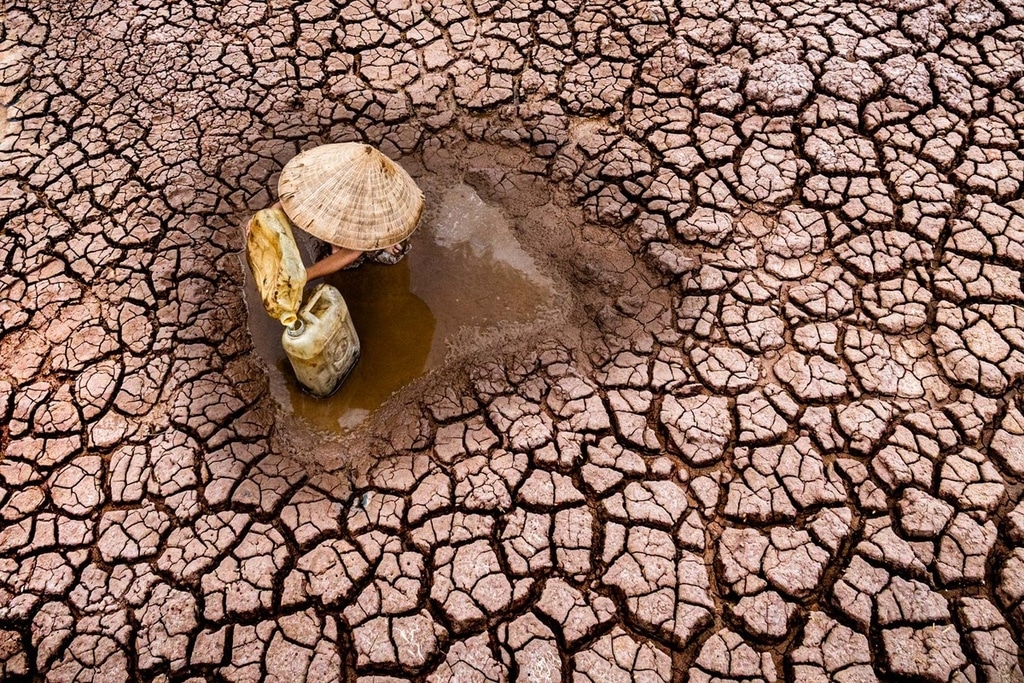
Mountain communities, especially youth and Indigenous Peoples, are directly impacted by this crisis, positioning them as key actors in developing innovative solutions and adaptation efforts.
A technical brief titled Glaciers and mountains – the food and water security and livelihoods nexus was launched at the event, emphasizing the crucial role of glaciers and other cryosphere components in supporting agricultural production, livelihoods, and food and water security, in mountain and downstream areas.
Key messages from the Brief:
Glacier-fed waters are lifelines for food production, sustaining agriculture from high mountain terraces to vast irrigated plains.
Melting glaciers disrupt food systems and rural livelihoods by undermining crop yields, threatening livestock, and exposing communities to greater risks.
Sustainable agricultural and ecosystem-based practices offer scalable long-term solutions.
Local adaptation, combining traditional knowledge and innovative techniques, provides pathways to resilience.
Policy and financial investments, with priorities including stronger monitoring systems, inclusive governance, transboundary cooperation, and targeted climate finance, should match the scale of the challenge.
The Mountain Future Award winners were revealed at the event, celebrating transformative projects that build resilience to glacier-related impacts and strengthen sustainable mountain economies and livelihoods. The three awardees, in the categories of Innovation, Adaption, and Youth, will receive seed funding to support project implementation, and gain recognition and visibility, demonstrating how local action can contribute to global efforts.
In the Innovation category, Aziz Soltobaev from the Internet Society Kyrgyzstan Chapter was recognized for a low-cost climate-monitoring project that delivers real-time weather and glacier data to remote mountain areas. The project uses affordable sensors and long-range connectivity, trains youth in Artificial Intelligence monitoring tools, and makes all data openly accessible.
The winners of the Adaptation category were Marcela Fernández and Estefanía Angel Villanueva of Cumbres Blancas for their high-mountain restoration project in Colombia, which accelerates the recovery of water-regulating frailejón and other native páramo species by linking in vitro propagation with local nurseries, strengthens rural and Indigenous capacity, and safeguards the ecosystems that supply most of the country’s freshwater.
The Youth category was awarded to Ali Sarwar from the Gulmit Educational & Social Welfare Society, a project empowering young people to lead glacier and water resilience efforts in the Gulmit Valley, Pakistan. Youth are trained in drones, GIS mapping, and sensors to monitor glaciers, water sources, and flood risks. The project engages 100 youth, 50 percent of whom are women.