
Food & Climate
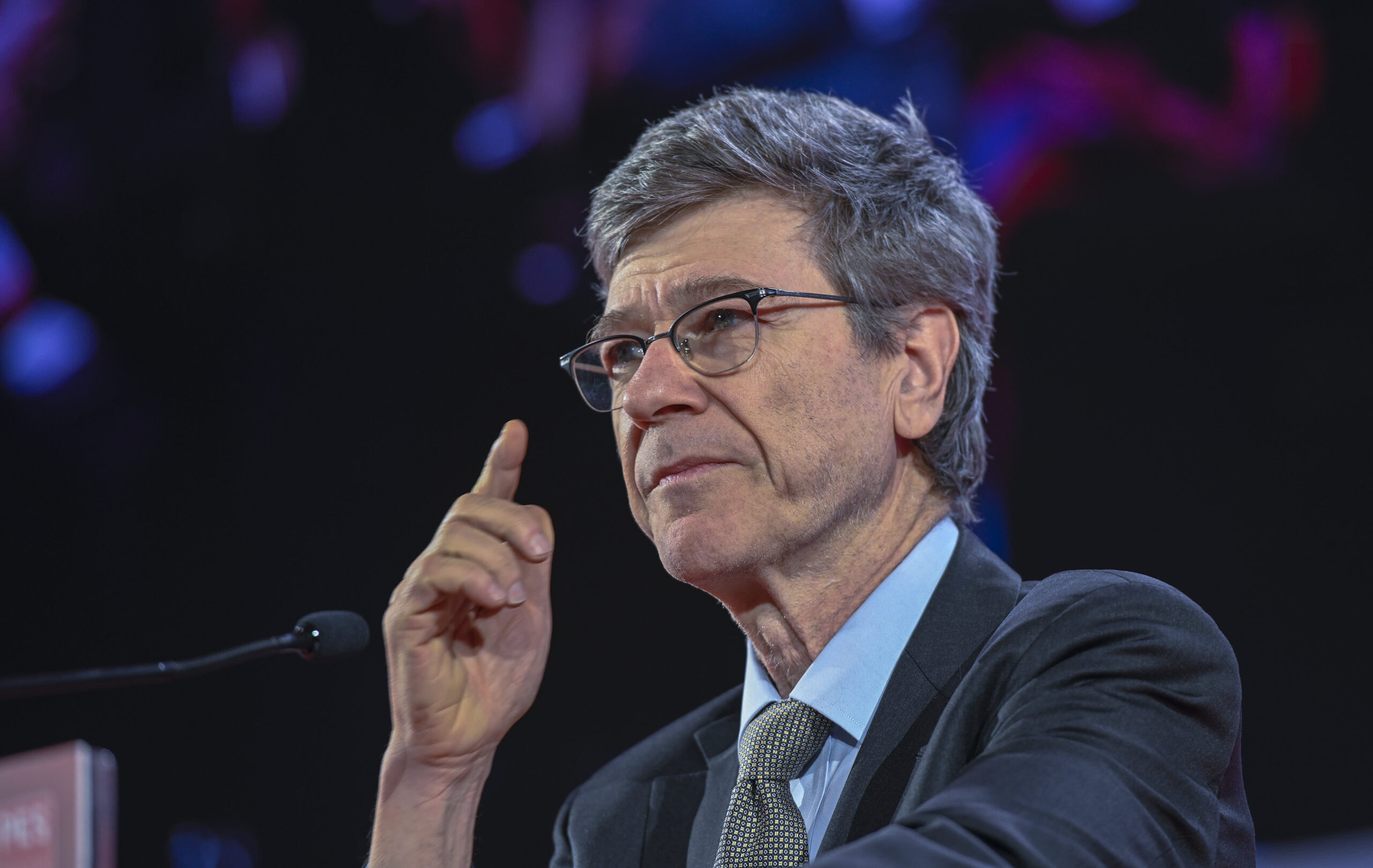
The U.S. absence from the COP30 climate conference in Brazil can actually make the conference go better because there is more unanimity among the rest of the countries, Jeffrey Sachs, the American renowned professor of economics, told “Food & Climate” platform.
The U.S has left fight against the climate change but the rest of the world remains determine to solve this crises even without America, Sachs added this on the sidelines of a meeting at the American University in Cairo on Tuesday, November 11, 2025, where he was giving a lecture on sustainable development.
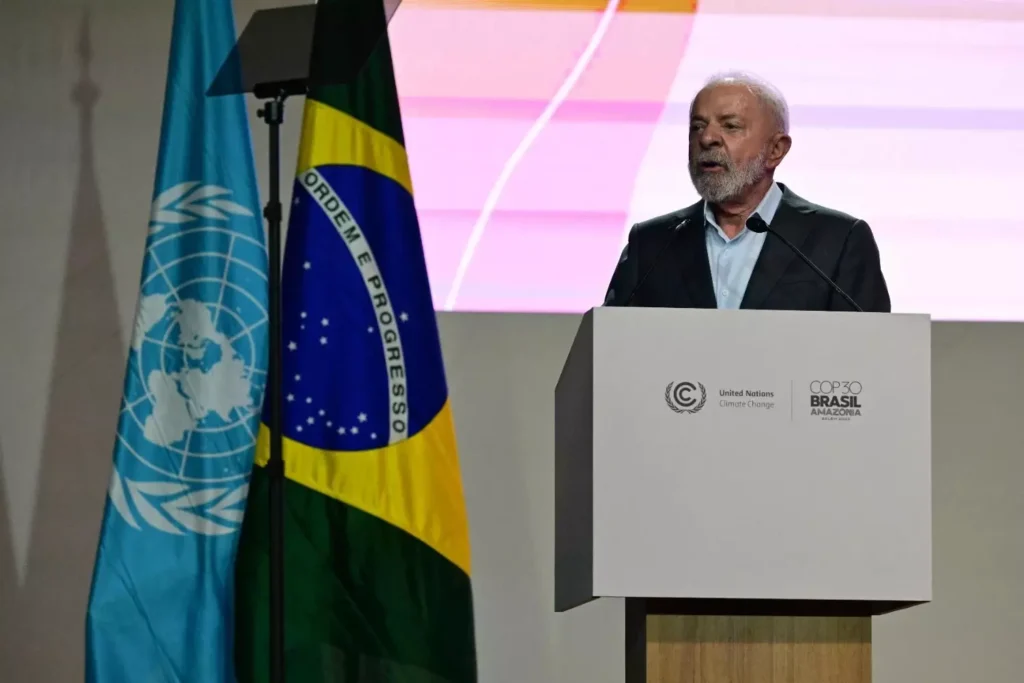
The Brazilian president Luiz Inácio Lula da Silva opened the COP30 climate conference yesterday in Belém, sending an indirect message to U.S. President Donald Trump, whose country did not participate. It was:
“It’s time to inflict a new defeat on the deniers”
Trump, who branded climate change “a con job” in September, has promised to invest heavily in fossil fuels, saying that this will secure greater economic prosperity for the U.S.
But the U.S. absence from the COP30 climate conference in Brazil does not stop global efforts to combat climate change, Sachs said.
“And so the U.S. absence is very sad, it is a very bad responsibility of the United States, but does not stop the global efforts”.
The first time in the history of COPs
For the first time in the history of COP climate summits, the US – the world’s largest historical emitter – has not sent a delegation to the talks.
So, the most notable absentee is the US, which has been present at every other COP in history – even throughout Donald Trump’s first presidency.
On average, the US sends a delegation of around 100 people, typically making it one of the larger groups at the talks.
Back in January, newly inaugurated US president Donald Trump signed a letter to the UN to trigger the start of a US withdrawal from the Paris Agreement for a second time.
Although this process is not yet complete, the White House confirmed earlier this month that no “high-level officials” would be attending COP30 in Belém, Brazil.
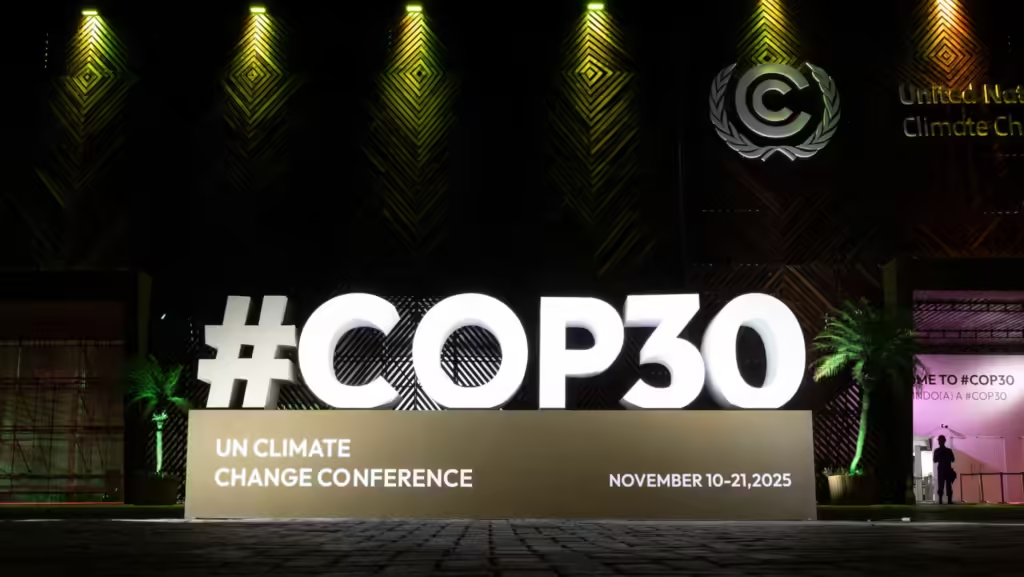
The US joins Afghanistan, Myanmar and San Marino as the only countries not registering a delegation for the summit, according to Carbon Brief’s analysis of the provisional lists of delegates published by the United Nations Framework Convention on Climate Change (UNFCCC).
Despite these absences, more than 56,000 delegates have signed up to attend COP30 in person, provisionally placing the summit as one of the largest in COP history.
This is despite the run-up to the negotiations being dogged by reports of a shortage of beds and “sky-high” accommodation costs.
Brazil even offered free cabins on cruise ships moored in Belém to delegations from low-income nations who were otherwise unable to attend.
According to the provisional figures, 193 countries, plus the European Union, have registered a delegation for the summit.
Unsurprisingly, the largest delegation comes from COP30 hosts Brazil, with 3,805 people registered.
This is followed, in order, by China, Nigeria, Indonesia and the Democratic Republic of the Congo.
The largest number of virtual delegates at COP30
This year also sees the largest number of “virtual” delegates, with more than 5,000 people signed up to attend the talks online.
With 56,118 delegates registered, COP30 is provisionally the second-largest COP in history, behind only COP28 in Dubai, which was attended by more than 80,000 people.
This is the provisional total, based on the delegates that have registered to be at the summit in person. At recent COPs, the final total is at least 10,000 lower, which would drop COP30 down to the fourth largest.
The participant lists provided by the UNFCCC are divided between the different types of groups and organisations attending the summit. The largest group at COP30 is for delegates representing parties. These are nation states, plus the European Union, that have ratified the convention and play a full part in negotiations.
This group adds up to 11,519 delegates – the fourth largest behind the past three COPs.
The absent parties – Afghanistan, Myanmar and San Marino – have been more sporadic attendees at past COPs.
Despite reports of a “logistical nightmare” hosting a COP summit in the Amazon, there has been no drop-off in the number of countries registering delegations for COP30.