Food & Climate
The Arabic agricultural land degradation worsens more than any other area in the world, according to a new study seen by “Food & Climate” platform.
The new study by the Food and Agriculture Organization (FAO) has revealed concerning levels of agricultural land degradation, particularly in the Arab region, where more than 46 million hectares of agricultural land—two-thirds of the 70 million hectares affected by human-induced degradation—are at risk.
Published in the MDPI journal Agriculture, the study stresses the urgent need to restore degraded lands and improve food security.
Agriculture is both affected by land degradation and contributes to it through unsustainable land and water management practices. For example, direct emissions from manure and nitrogen applications to agricultural soils represent the largest single source of nitrous oxide (N2O), a potent greenhouse gas and an ozone-depleting substance.
Agricultural pesticide use contaminates soil and water, posing potential risks to the environment and human health that are not yet fully understood.
Most global patterns and trends are also observed in the Arab countries included in this analysis, which form the focus of this study. The analysis aims to provide valuable insights to support regional organizations, including the Arab League, in their efforts and decision-making processes to combat land degradation and desertification effectively.
The region is particularly vulnerable to land degradation, as natural endowments already limit the availability of productive land.
Arabic agricultural land degradation and the world
Globally, FAO estimates that 1.66 billion hectares are degraded due to human activities, with over 60% of this affecting agricultural lands, including croplands and pastures. Given that 95% of global food production depends on land, this widespread degradation poses significant challenges to agrifood systems.
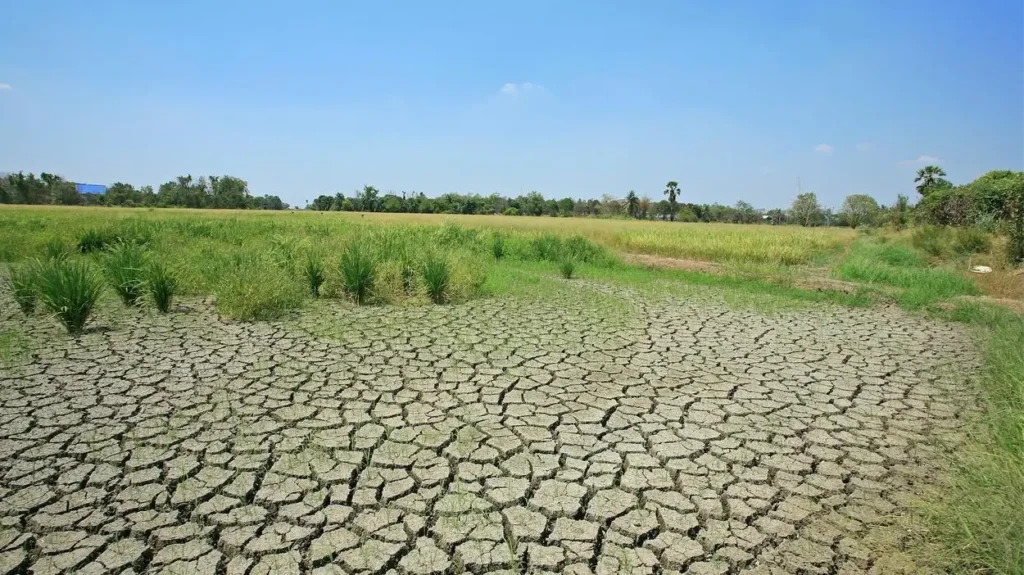
The study calls for integrated solutions to prevent, reduce, and reverse land degradation. It emphasizes sustainable soil, land, and water management, urging the international community to prioritize agrifood system transformation to achieve land degradation neutrality (LDN), boost productivity, preserve biodiversity, and address climate change impacts.
The study found that the Arabic agricultural land degradation exhibits particularly alarming rates of land degradation, with cropland being especially vulnerable.
Factors contributing to this degradation include excessive use of fertilizers and pesticides, soil salinization from irrigation practices, increased occurrences of sand and dust storms, rising temperatures, and water scarcity linked to climate change.
The need to produce 50% more food
FAO estimates that by 2050, agriculture will need to produce 50% more food, feed, and biofuel than was produced in 2012. Societal and environmental pressures on agrifood systems are intensifying.
Climate change is already reducing rainfed and irrigated agricultural production, worsening risks from decades of unsustainable land and water use.
Human-induced land degradation, water scarcity, and climate change are heightening risks for agriculture and ecosystem services—especially at times and in places where economic growth is most needed.
Increased evapotranspiration and altered rainfall patterns are changing land and crop suitability and making water supplies more variable; some regions will see less water, others more.
Future scenarios further highlight the need to adapt cropping patterns and management practices as crop and land suitability shifts and to invest in breeding crop varieties tolerant to rising temperature, salinity, wind, and evaporation changes.
In 2024, the FAO estimated that 5.4 billion people—67% of the global population—lived in countries experiencing temperatures exceeding 1.5 °C above their baseline and that 3.5 billion hectares, representing 73 percent of the agricultural area, were also exposed to this level of warming.
These numbers have continued to grow in recent years. Droughts have affected more people worldwide than any other natural hazard over the past 40 years, with expected increases in intensity, duration, frequency, and spatial extent due to climate change and rising temperatures.
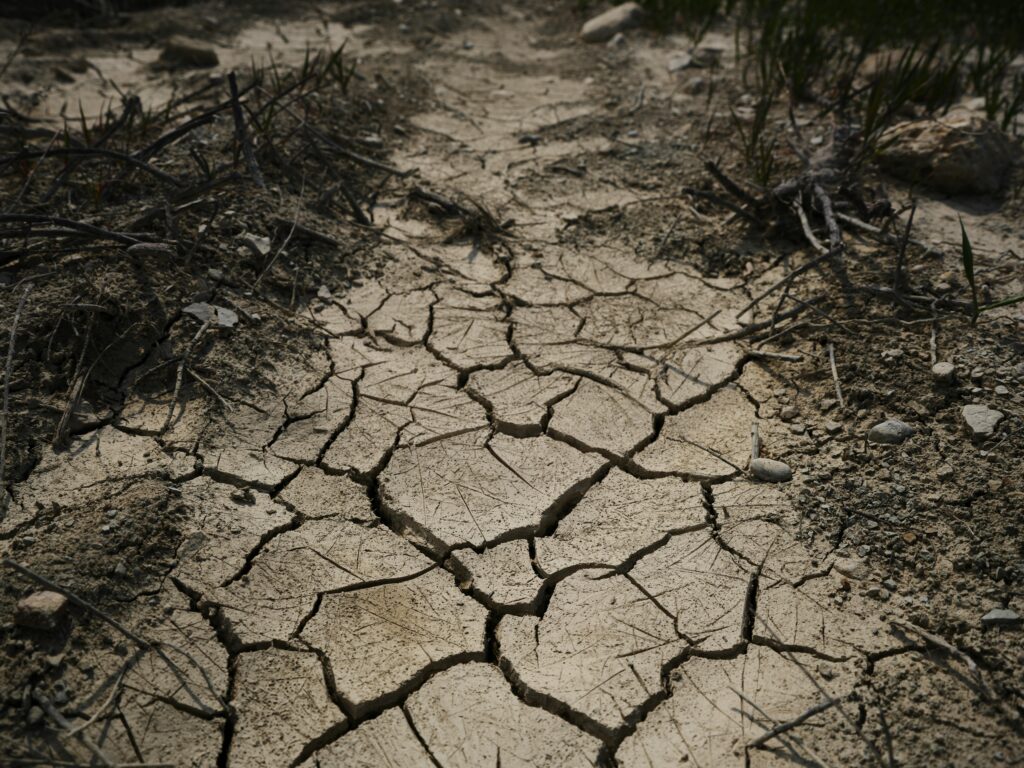
Reports submitted to the United Nations Convention to Combat Desertification (UNCCD) from over 100 countries indicated that 1.84 billion people were drought-stricken during the 2022–2023 biennium. This has been affecting land productivity, food and water security, and the livelihoods of primarily vulnerable communities, especially in countries with limited capacity to absorb such shocks. Country studies highlight the widespread impact of drought on food consumption, nutritional intake, and labor markets.
Related Topics:
Land degradation ongoing for 12,000 years
Cropland in Myanmar, the earthquake destroys a third of grain-producing areas