Food & Climate
The military war between the US and Israel on one side, and Iran on the other, has ceased with the announcement of a ceasefire agreement, but the US-Iran pistachio war appears to be continuing.
Iran remained the world’s largest producer and exporter of pistachios, but in 2009, the US surpassed it due to drought, water shortages, and other factors that negatively impacted production and production costs, according to several reports seen by “Food & Climate” platform.
Years of recurring droughts due to climate change and the declining quality of underground water have prompted the government to help shift production to other parts of Iran where there is more water, such as its west.
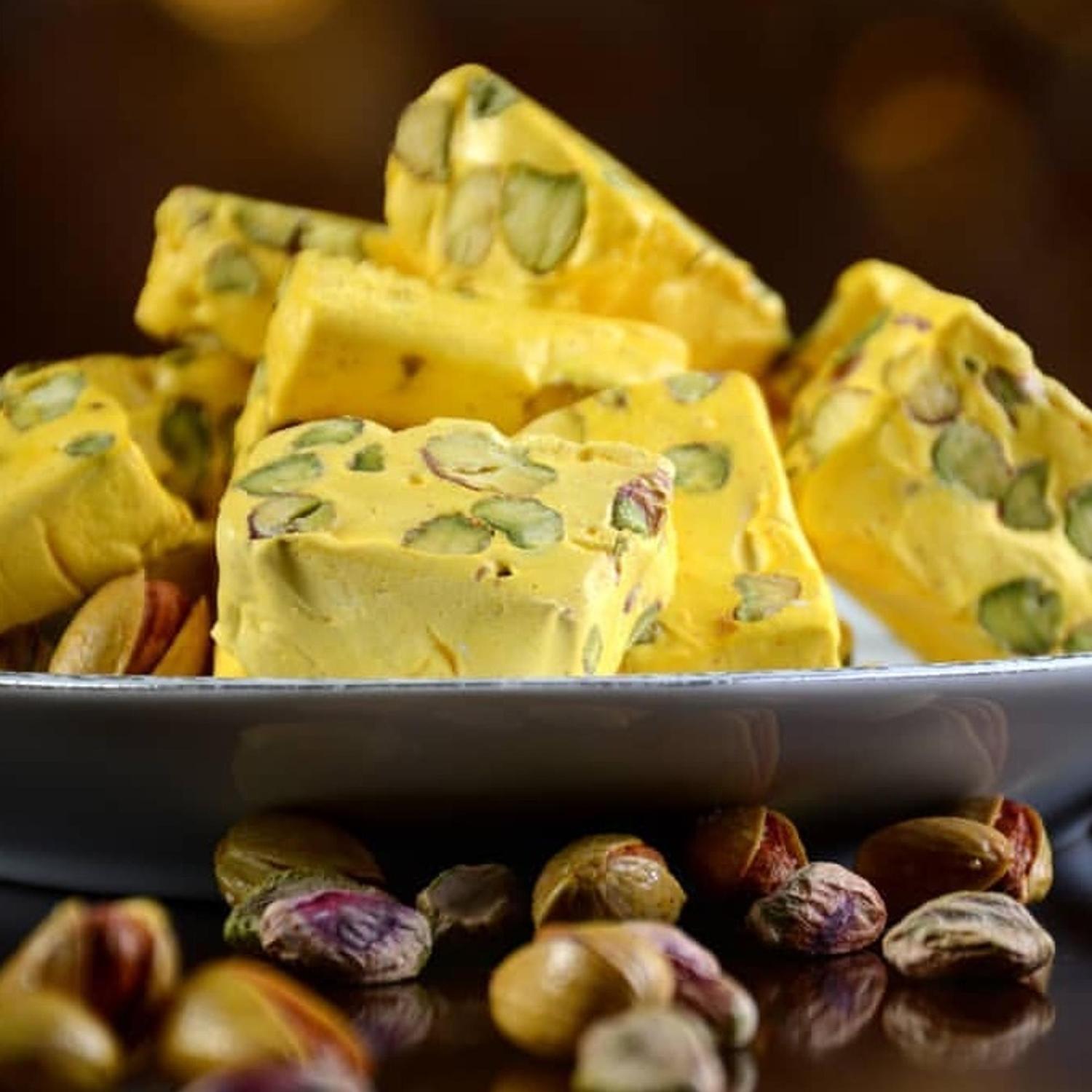
One of the nuclear sites struck by the US in Iran on Sunday, June 22, 2025, Fordow, is located 100 kilometers southwest of Iran. Isfahan, which hosts the second site hit by Washington, is also famous for its Gaz, the Legacy of Persian Nougat, of which pistachios are an ingredient.
However, last year witnessed a sudden boom in Tehran’s pistachio production and exports, which could threaten to bring the US-Iran pistachio war back to the forefront.
US-Iran pistachio war in 2017
The global pistachio industry is a multi-billion dollar a year sector that is continuing to grow in value as its popularity as a foodstuff grows.

The US and Iran dominate the world’s trade in pistachios – collectively controlling between 70% and 80% of yearly output for the last decade.
Over the last forty years, Iran’s growers have faced pressures from sanctions, tariffs and restrictions on their ability to access international financial tools.
Although pistachios themselves were not on the list of sanctioned products, restrictions on global banking made trade difficult for Iranian farmers.
All that changed in 2016 following the Iran nuclear deal, officially The Joint Comprehensive Plan of Action (JCPOA). This agreement with the US and its allies removed sanctions.
It wasn’t just Iranian oil that came flowing back onto the international market, pistachio exports began gaining overseas markets.
However, US President Donald Trump withdrew from the agreement in 2018. After returning to a second term at the beginning of this year and engaging in a 12-day war with Israel against Tehran, all scenarios remain open, including a return to the US-Iran pistachio war.
For Iran’s pistachio industry the threat of losing the deal and reinstating sanctions meant the return of what Hojat Hassani Sadi, deputy director of the Iran Pistachio Association calls “unfair and unequal competition”.
The pistachio industry in Iran dates back thousands of years. By contrast, pistachio farming in the US started in the 1930s with Persian seeds.
Just as Iranian pistachios were affected by drought and water shortages, American pistachios were subjected to similar conditions in 2014. Since 2002, pistachio prices have witnessed successive increases, which industry experts attribute to the demand for healthy snacks and growing Chinese demand, according to “BBC”.
Iran’s pistachio exports
Iran’s pistachio exports soared by 143% in the calendar year ending March 20, generating US$1.7 billion in revenue, TV BRICS reports.
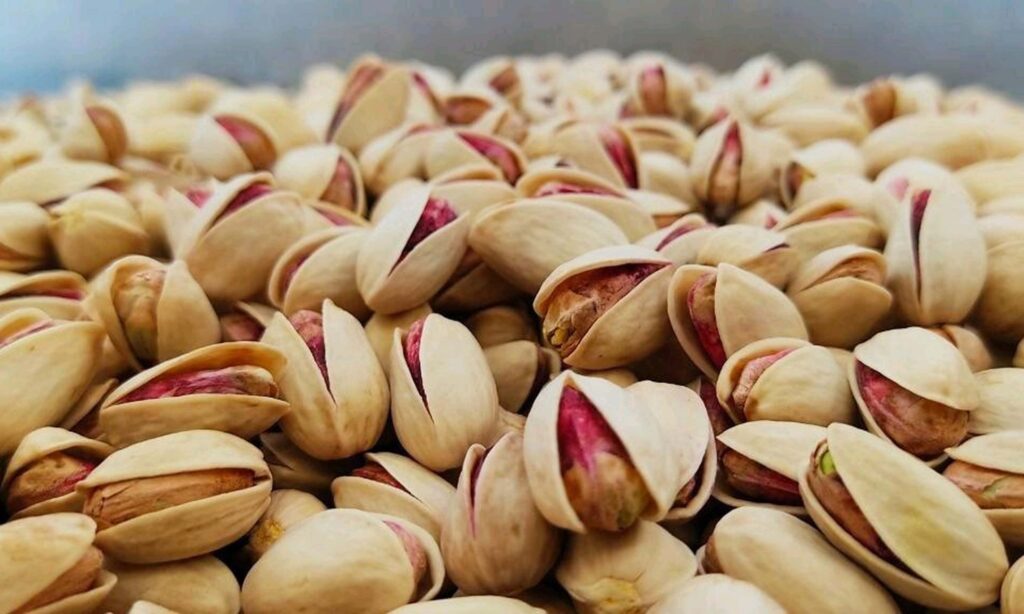
With approximately 650,000 hectares dedicated to pistachio cultivation, the largest area under this crop in the world, total pistachio production in Iran exceeded 300,000 metric tons, reaffirming the nut’s status as the country’s main horticultural export product, according to the Iranian Ministry of Agriculture.
The Iranian authorities also highlighted an 83 per cent increase in cultivation over the past 11 years, with Kerman province remaining the key production hub. The industry now supports 350,000 direct jobs and typically brings in around US$1.5 billion in foreign currency earnings annually.
Broader agricultural exports from Iran also showed robust growth, reaching US$5.2 billion in the year to March, a 29 per cent increase on the previous year. The government is now expected to capitalise on the momentum by enhancing food safety frameworks, potentially unlocking new opportunities in key international markets.
Earlier it was reported Iran had successfully implemented devices to remove arsenic from drinking water in more than 20 villages. The technology, based on the use of nanostructured iron nanoparticle adsorbents, has significantly improved water quality for local residents.
Related Topics:
Food security in Sri Lanka is threatened by the Iran-Israel war
Food shortage, a crisis expanding due to the Iran-Israel war