
Food & Climate
Surveys show that 95% of Americans want to protect the bees, butterflies, and other creatures that are essential to ecosystem health and boost crop production, adding billions of dollars in value to U.S. agriculture—especially at a time when pollinator and bee populations are declining, and the situation is worsening due to Trump administration cuts.
The Trump administration is pushing cuts that would make bee research and pollinator conservation slower, more expensive, and far less effective, experts warn, according to a report seen by “Food & Climate” platform.
A little-known division within the Interior Department is facing elimination, jeopardizing national efforts to protect essential pollinators.
Through proposed layoffs and budget cuts, the administration has taken multiple actions that threaten an obscure division of the U.S. Geological Survey (USGS): the Ecosystems Mission Area, or EMA, which houses almost all federal biological research.
Eliminating the division was prescribed by the Heritage Foundation’s Project 2025 agenda, despite the amount of research EMA provides. The 1,200 biologists and staff who work their document contamination in private and public wells, study the effects of wildfire and drought, and track wildlife disease outbreaks, including avian influenza.
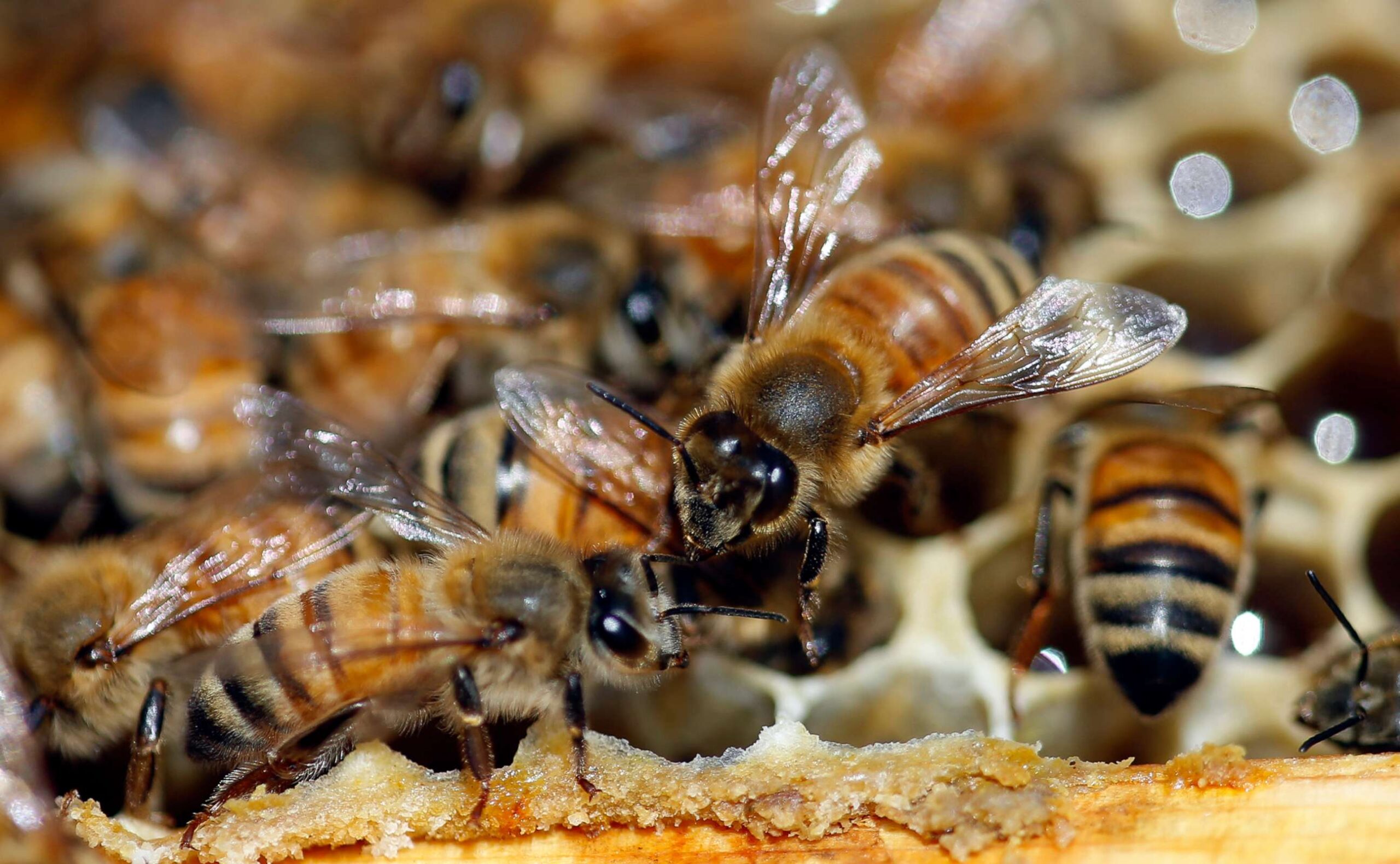
They perform long-term monitoring of native and invasive species from avocets to zebra mussels—enabling management agencies to, for example, set sustainable waterfowl hunting limits, manage livestock predators, and keep waterways healthy. They also inventory, track, or study every known native bee species in the country, along with other pollinators.
Cutting pollinator and bee research
The White House claims that getting rid of EMA would eliminate duplicative programs and stop federal work on “social agendas” like climate change, while trimming about $300 million from USGS’ $1.6 billion budget. Though unspoken, historical records show the proposal also fits a much older, far-right vision of upholding private property rights by eroding the awareness and protection of imperiled species.
But biologists and conservationists nationwide say these cuts would actually dismantle irreplaceable, largely uncontroversial programs and drive out experts whose work is key not only to the government’s ability to manage natural resources, but also to a broad swath of work led by states and nonprofits.
Importantly, dismantling EMA would mean the elimination of the USGS Bee Lab—a tiny, two-person office in Maryland that is a linchpin for the study and protection of all U.S. native bees. “Every bee researcher, possibly every pollinator researcher in the U.S. has at some point worked with the USGS Bee Lab,” said Rosemary Malfi, the conservation policy director at the nonprofit Xerces Society for Invertebrate Conservation.
700,000 specimens
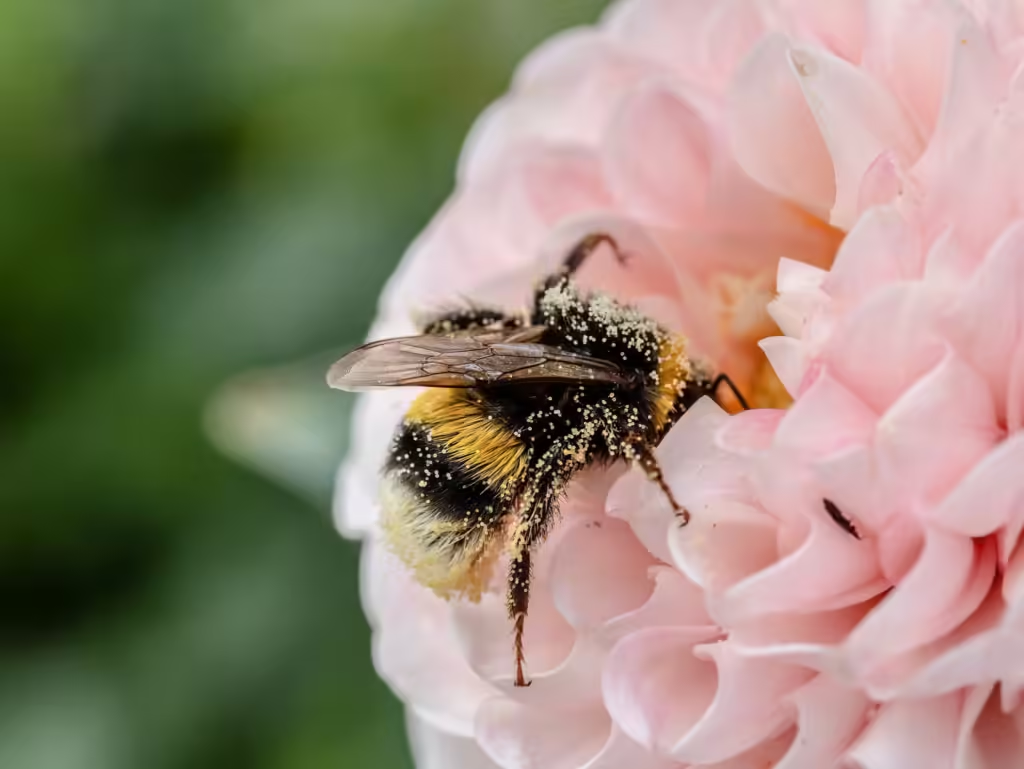
With a vast collection of high-resolution photographs, more than 700,000 specimens, and the unrivaled expertise of the lab’s director, biologist Sam Droege, the lab is the only U.S. entity with the resources to identify the nation’s more than 4,000 native bee species. Distinguishing different bees can be exceptionally difficult—but is essential for understanding their health, distribution, and needs.
This makes their work as important for preventing needless endangered-species petitions for bees that are simply hard to find, as it is for protecting the genuinely at-risk ones, Droege told Civil Eats. A federal biologist since 1978, Droege has risked his job to speak in defense of EMA.
“There’s a lot of inappropriately analyzed data out there saying there’s a bee apocalypse, that all bees are declining, but it’s more nuanced than that,” he said. “Wouldn’t you want someone to point that out that has scientific credibility? That’s what we do”.
One other threat to federal biologists and other workers has so far been neutralized. In June, senators added a provision to Trump’s “Big, Beautiful Bill” that would have given his administration the power to downsize the federal workforce “without obstruction” from Congress or the courts.
If included in this budget reconciliation bill, it would have allowed the administration to implement RIF layoffs without approval from the Supreme Court. But the Senate parliamentarian has ruled that this and numerous other provisions violated Senate rules, so struck them from the bill.
While federal biologists have survived these attempts so far, they underscore the precarity bee research is facing. Many fear the division’s demise is imminent, especially if Congress doesn’t decide its fate through the appropriations process. So, while conservation groups and supporters rally behind these scientists, Droege has been gauging other ways to preserve the lab’s collections, which form the foundation of all U.S. bee taxonomy.
The Smithsonian would probably take the lab’s hundreds of thousands of identified specimens, he said, but likely couldn’t provide the hands-on support the lab does. They also wouldn’t take the up to 200,000 specimens that haven’t yet been identified. As a last resort, Droege said, he’d move these to his own home and establish a private lab; at 66, he had no plans to retire, anyway.

“My motivation is not saving my job,” he said. “My motivation is the bees.” With continued study and science-based protection, he added, “it’s not that difficult to keep them around”, according to “Civil Eats“.