
Food & Climate
The National Food Agency (NFA) stressed that food diversification based on Indonesia’s local food resources is no longer optional but an urgency to ensure the national food security against global shocks.
Reviving Indonesia’s local food sources has become one of country’s main strategies to face the impacts of climate change and the threat of a global food crisis.
“Relying on just one or two staple foods makes us vulnerable to disruptions from climate change or global dynamics. Reviving Indonesia’s local food is the key to both food security and food sovereignty,” said Rinna Syawal, Director of Food Consumption Diversification at NFA, according to a report seen by “Food & Climate” platform.
Rinna spoke during the National Action Plan (RAN) for Food and Nutrition public forum, along with the launch of guidelines for the Regional Action Plan (RAD) for Food and Nutrition Based on Local Resources 2025–2029, held by the Ministry of National Development Planning (Bappenas) in Solo, September 29–30, 2025.
Regulation No. 81 of 2024
According to Rinna Syawal, Director of Food Consumption Diversification at NFA, the issuance of Presidential Regulation No. 81 of 2024 is a key moment to promote B2SA consumption (diverse, nutritious, balanced, and safe foods) by making better use of Indonesia’s local food resources.
However, she noted that the pattern of current consumption remains dependent on just a few staples, leaving many potential local foods unconsumed.
Food and Agriculture Organization of the United Nations (FAO), said in February: In Indonesia, pulses are not strangers. They are found in popular menu such as tempe, tahu and various tasty local snacks. They even make up a component of Dietary Diversity Score (DSS), which measures the quality of food and a potential indicator of nutritional adequacy. According to Bappenas, Indonesia has over 12 000 types of pulses, yet only a small portion is widely consumed. The rest should therefore not be forgotten.
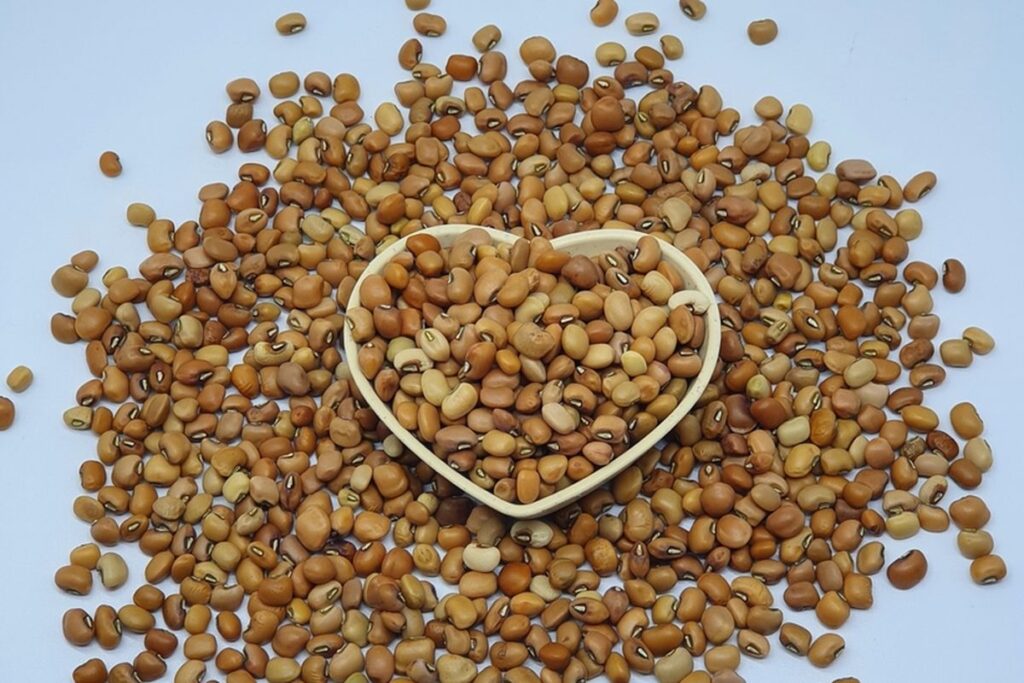
Some examples of nutritious yet sometimes forgotten pulses are kacang tolo (Vigna unguiculata), which are usually found in krecek (spicy cattle skin stew from Java) or urap (vegetable salad). Lamtoro (Leucaena leucocephala) and kacang komak or kacang koro (Lablab purpureus), which make nutritious snacks, aside from being tasty ingredients for numerous styles of salad, stew and fritters. Innovations are also underway to diversify main ingredients of tempe and tahu from soybeans to other local varieties.
“Some of these rich pulses of Indonesia may be forgotten in cities, however they are the daily source of protein and income for many family farmers in villages,” said Rajendra Aryal, FAO Representative in Indonesia and Timor Leste.
“On World Pulses Day today, let’s celebrate Indonesian pulses diversity! Today and every day, let’s consume some more pulses of your choice,” Aryal concluded, inviting members of the public to join this global action.
Increasing Indonesia’s local food production
“We should not rely on food imports. Therefore, programs to ensure food availability, affordability, and security in Indonesia must be pursued,” said Arief Prasetyo Adi, Head of the National Food Agency (Bapanas), in June.
He added that President Prabowo Subianto’s food self-sufficiency targets can be achieved by increasing Indonesia’s local food production and reducing dependency on imports.
Strengthening the availability, affordability, and security of domestic food is key to addressing global challenges while also creating opportunities for Indonesia’s local food diversification, Adi noted.
As an example, he said staple foods such as bread could be made from cassava, while protein sources need not be imported since Indonesia has high-quality local fish, such as tongkol (mackerel tuna).
“It’s time to promote local food sources. This is both a challenge and an opportunity,” he said.
Adi also cited Presidential Regulation No. 81 on Accelerating Food Diversification Based on Local Resources, which encourages the use of domestically produced food.
He further stated that government rice reserves currently stand at around 4.15 million tons.
Adi concluded by urging all parties to support strategic government programs—such as the Free Nutritious Meals initiative and Village Cooperatives—to help build a fully integrated national food ecosystem from upstream to downstream.