
Food & Climate
Most worrying to the environmentalists is the planned expansion of a federally-funded wall-in-progress at the U.S.-Mexico border, slabs of which were built during the first Trump administration. Early research has shown the walls can stop or deter the migration of pivotal pollinators and that is risky, conservationists’ caution.
“These are some of the most important areas for native pollinators, both bees and butterflies, as well as a whole suite of other native mammals and amphibians and reptiles and all sorts of things,” said Scott Black, executive director of the Xerces Society for Invertebrate Conservation, an international nonprofit that supports science-based long-term conservancy and has expressed concerns about the impacts of the border wall on wildlife.
The desert landscape that stretches across southern California, New Mexico, Texas, Arizona and northern Mexico is home to an array of pivotal pollinators including moths, flies, bats, hummingbirds and terrestrial seed dispersers like desert tortoises, according a report seen by “Food & Climate” platform.
Among the challenges for native pollinators: habitat destruction and the walls themselves, which sometimes prevent flying insects from crossing.
Worsen the situation for pivotal pollinators
Plans by the Trump administration for miles of new barriers—and most notably miles of harsh stadium lighting that would confuse all sorts of wildlife—could worsen the situation for pivotal pollinators, environmentalists warn.
During President Trump’s first term there were 73 miles of new wall and secondary wall built where no barriers previously existed, according to government records then, and about 365 miles of outdated or dilapidated fencing replaced or fixed along the border.
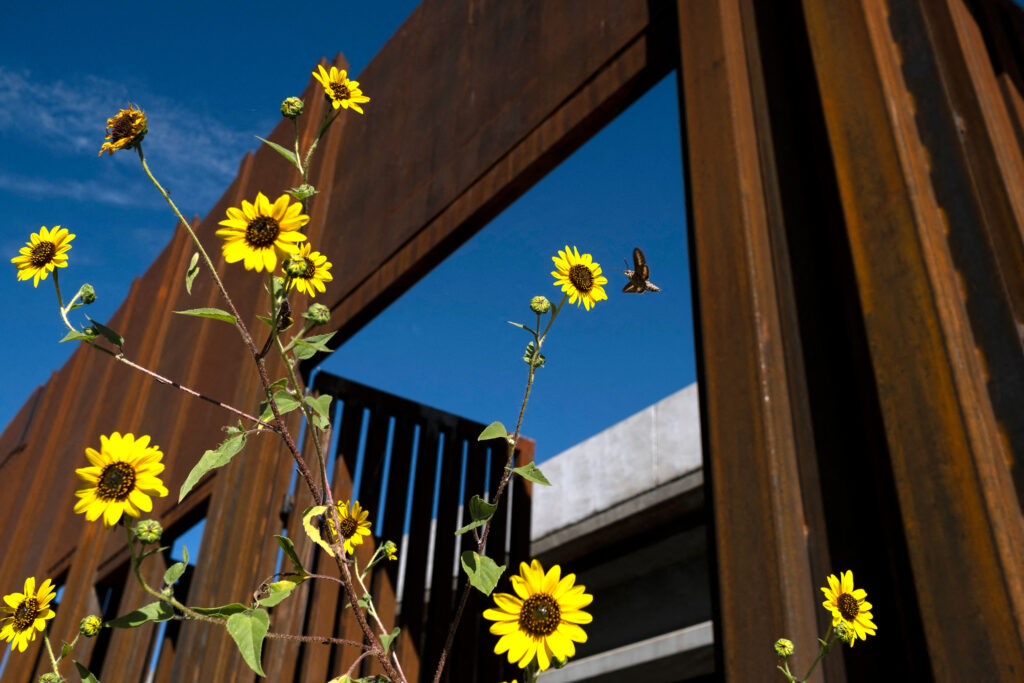
President Biden’s administration in August 2023 approved plans for another 20 miles in Texas, according to a border patrol update. Opponents of the barrier were highly critical, noting Biden had campaigned against the wall while running for president.
The 1,954 mile-long borderland between the U.S. and Mexico is often regarded as barren borderland but it contains several highly biodiverse regions for hundreds of mammals, birds and insects.
The Lower Rio Grande Valley in Texas alone hosts around 1,200 plant species and nearly 300 butterfly species. The San Bernardino Valley, which straddles the border of southeastern Arizona and Sonora, Mexico, offers another bounty. Researchers recently discovered a six-square mile stretch of desert that is home to nearly 500 bee species, one of the highest known concentrations of bees in the world.
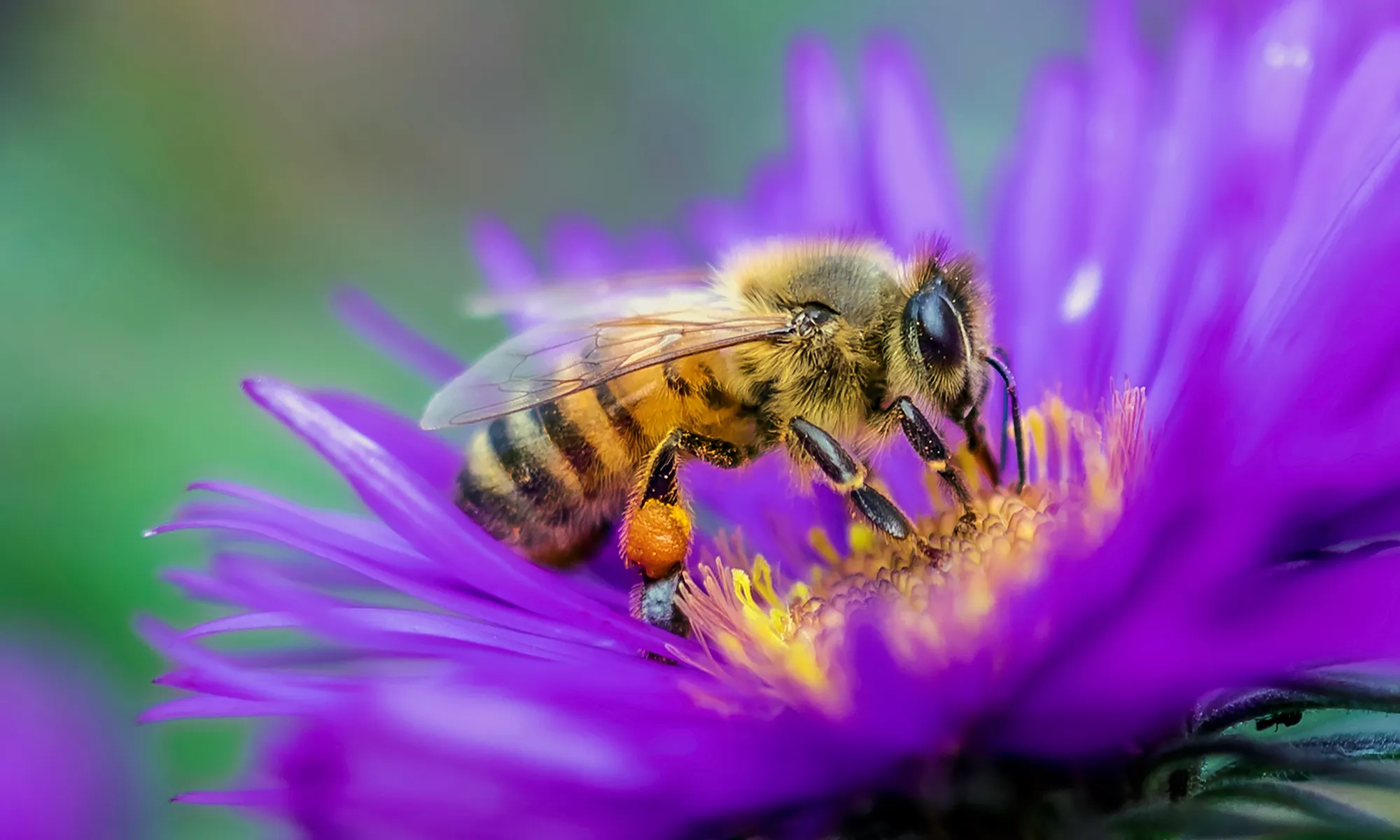
Some pollinators have exclusive relationships with certain plants, meaning if they don’t pollinate them, nothing else will. This is the case for a number of solitary bees, which often specialize in one plant species, according to Russ McSpadden, the Southwest conservation advocate for the nonprofit Center for Biological Diversity.
The monarch butterfly, whose caterpillars feed only on the milkweed that the butterflies pollinate, is currently under consideration for the federal Endangered Species List and relies on the borderlands region as a vital migratory corridor and breeding habitat.
Many pivotal pollinators are declining
Globally, many pivotal pollinators are declining due to threats like habitat destruction and fragmentation, climate change and pesticides.
Already, more than 70 pivotal pollinating are listed as endangered or threatened in the United States, according to the Fish and Wildlife Service.
A recent U.S.-based study found that one in five native pollinators in North America are at elevated risk of extinction and cited the Southwest as home to the highest concentrations of at-risk species. The leading threat is from climate-related stressors, it said. Evidence “is limited” on pollinator activity, the study noted, and “standardized, long-term, and geographically broad monitoring data” is needed.
According to a May study from the U.S. Geological Survey (USGS), researchers observed bees, butterflies, moths and wasps in South Texas, along the Rio Grande, for four months in 2023 and 2024 and documented some flight disruptions of the pollinators.
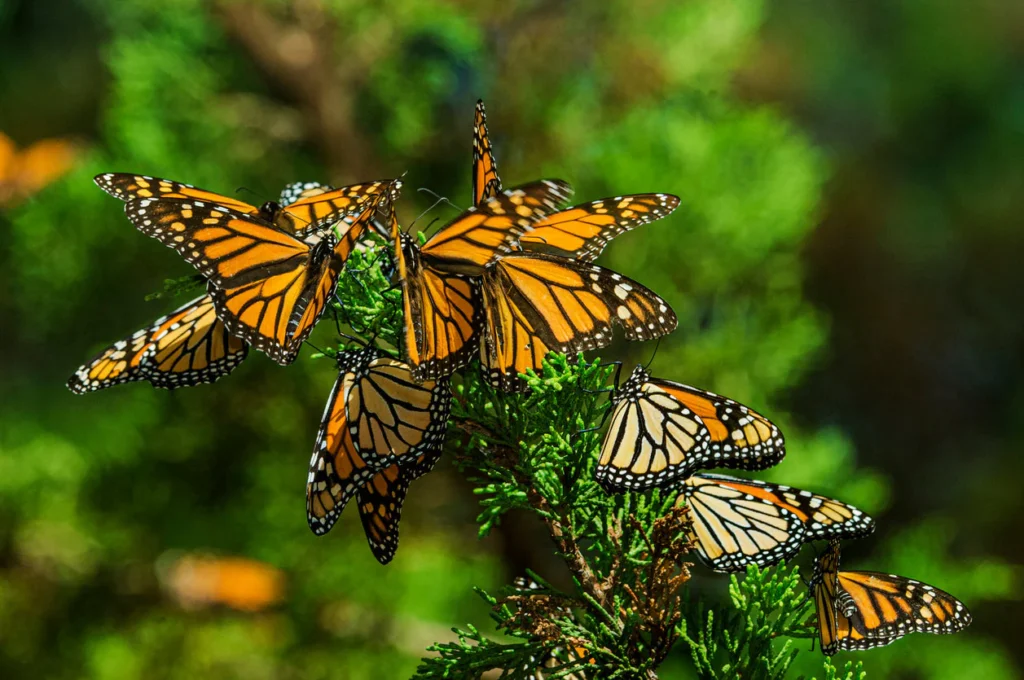
Bees flew over the barriers. Most butterflies were able to cross but 7 percent of them retreated or flew parallel to the wall, the study found. Moths were observed crawling through the slats of the wall and 20 percent did not cross but flew parallel to the barrier. Wind and temperature affected some flight distances, but the study found that border walls raised the potential for “limitations for pollinators moving across this landscape.”
Scientists have also raised concerns that the border barriers—because of their size and dimensions—could block the movement of non-flying pollinators, the sort of crawling fauna that help spread seeds through daily wanderings.