
Food & climate
Approximately 1.7 billion people live in areas where crop yields are falling because of human-induced land degradation – a pervasive and silent crisis that is undermining agricultural productivity and threatening ecosystem health worldwide.
The alarming figure comes from the latest The State of Food and Agriculture (SOFA) report by the Food and Agriculture Organization of the United Nations (FAO), released today during an event at its headquarters in Rome.
The report delivers a clear message: land degradation is not just an environmental issue – it impacts agricultural productivity, rural livelihoods and food security, according to a report received by “Food & Climate” platform.
SOFA 2025 provides the most comprehensive analysis to date of how human-driven land degradation impacts crop yields, identifies global vulnerability hotspots, and examines where these losses intersect with poverty, hunger and other forms of malnutrition.
Drawing on the most recent global data on farm distribution, sizes, and crop production, the report outlines actionable opportunities for integrated sustainable land-use and management practices, alongside tailored policies. These measures aim to avoid, reduce, and reverse land degradation while improving food production and farmers livelihood.
What is land degradation?
FAO defines land degradation as a long-term decline in the land’s ability to deliver essential ecosystem functions and services.
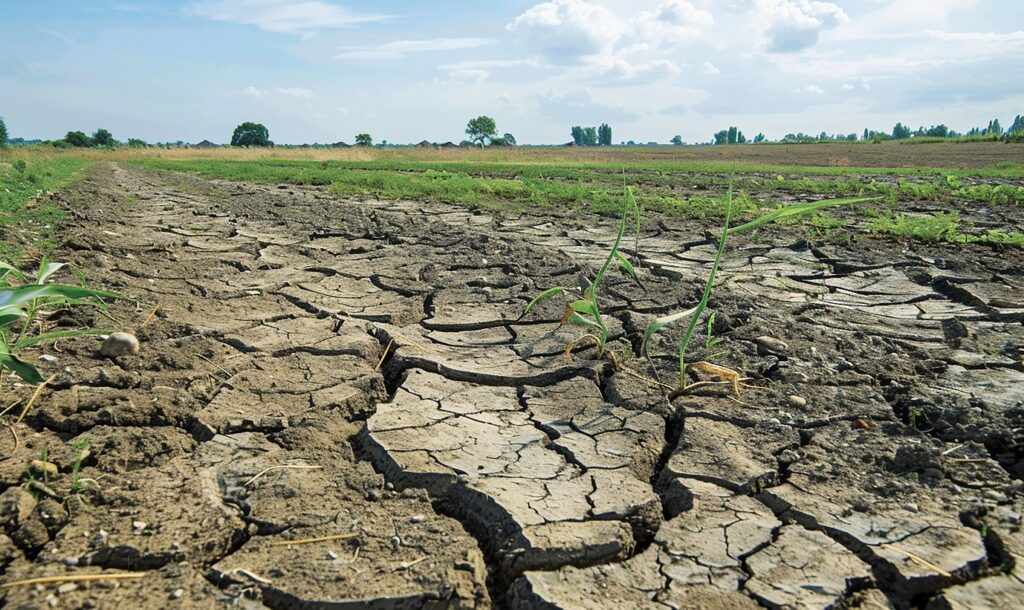
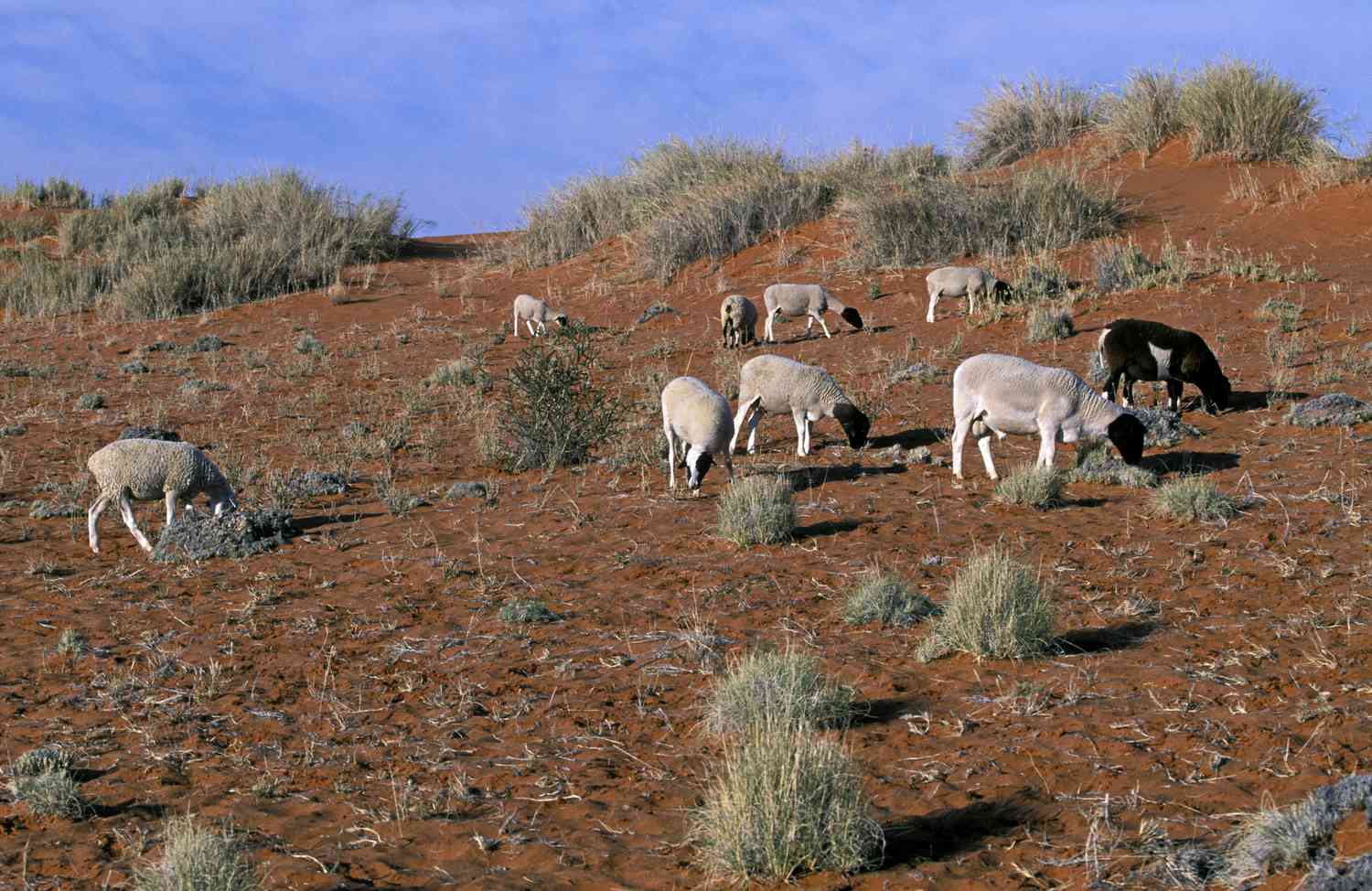
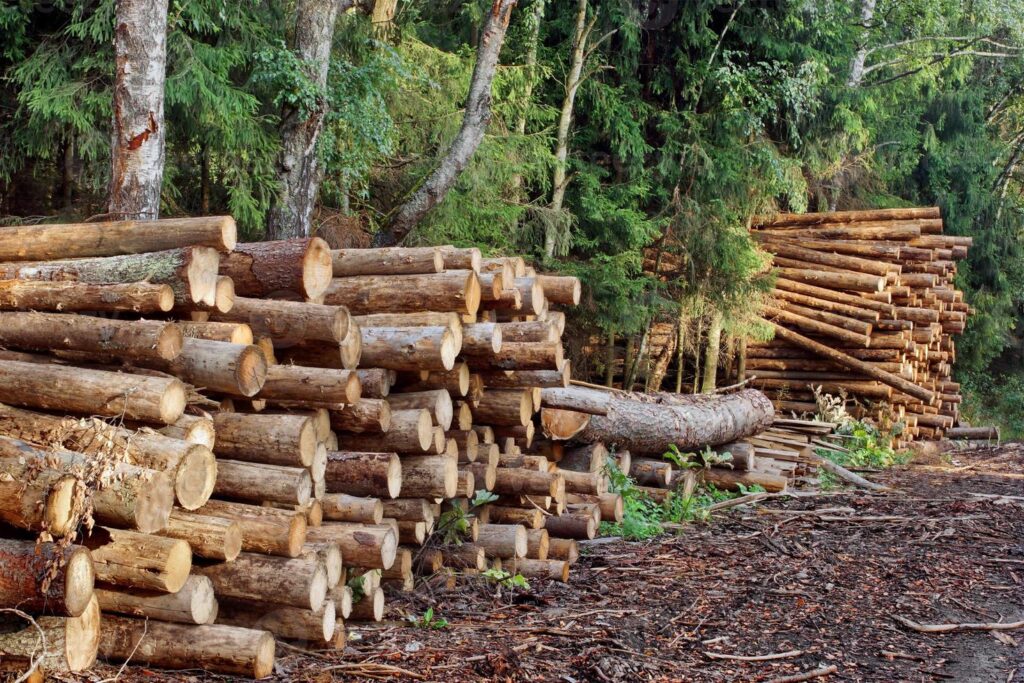
Land degradation rarely stems from a single cause; it typically results from a combination of factors. These include natural drivers, such as soil erosion and salinization, and human-induced pressures, which are increasingly dominant. Activities like deforestation, overgrazing, and unsustainable cropping and irrigation practices are now among the leading contributors. Given its profound impact on agricultural productivity, the report focuses specifically on human-induced land degradation.
To measure this, the report applies a debt-based approach, comparing current values of three key indicators – soil organic carbon, soil erosion, and soil water – against conditions that would exist without human activity under native or natural states. These data are processed through a machine-learning model that integrates environmental and socio-economic drivers of change to estimate the land’s baseline condition in the absence of human interference.
In terms of the human toll of land degradation, the report estimates that around 1.7 billion people worldwide live in areas where crop yields are 10 percent lower due to human-induced land degradation. Of these, 47 million are children under 5 years of age who are suffering from stunting. In absolute numbers, Asian countries are the most affected – both because of their accumulated degradation debt and their high population densities.
Good news from the report
Yet, the report also offers hope: reversing just 10 percent of human-induced degradation on existing croplands (for example by adopting sustainable land management practices such as crop rotations and cover cropping to preserve soil health, reduce erosion, and contribute to biodiversity) could restore enough production to feed an additional 154 million people every year.
These figures are not abstract, they represent real opportunities to strengthen food security, ease pressure on natural ecosystems, and build more resilient agrifood systems.
To achieve this, SOFA 2025 calls for integrated land-use strategies and policy interventions – including regulatory measures like deforestation controls, incentive-based programs, and cross-compliance mechanisms that link subsidies to environmental outcomes.
Land degradation affects farms of all sizes. However, the report highlights that policies must be tailored to farm structure, since smallholders face distinct financial constraints compared to larger farms, which manage most land and have greater capacity for scaled implementation.
Policies tailored to countries’ specific farm distribution and associated challenges and opportunities reduce land degradation by incentivizing sustainable farming practices and discouraging deforestation and overgrazing.