
Food & Climate
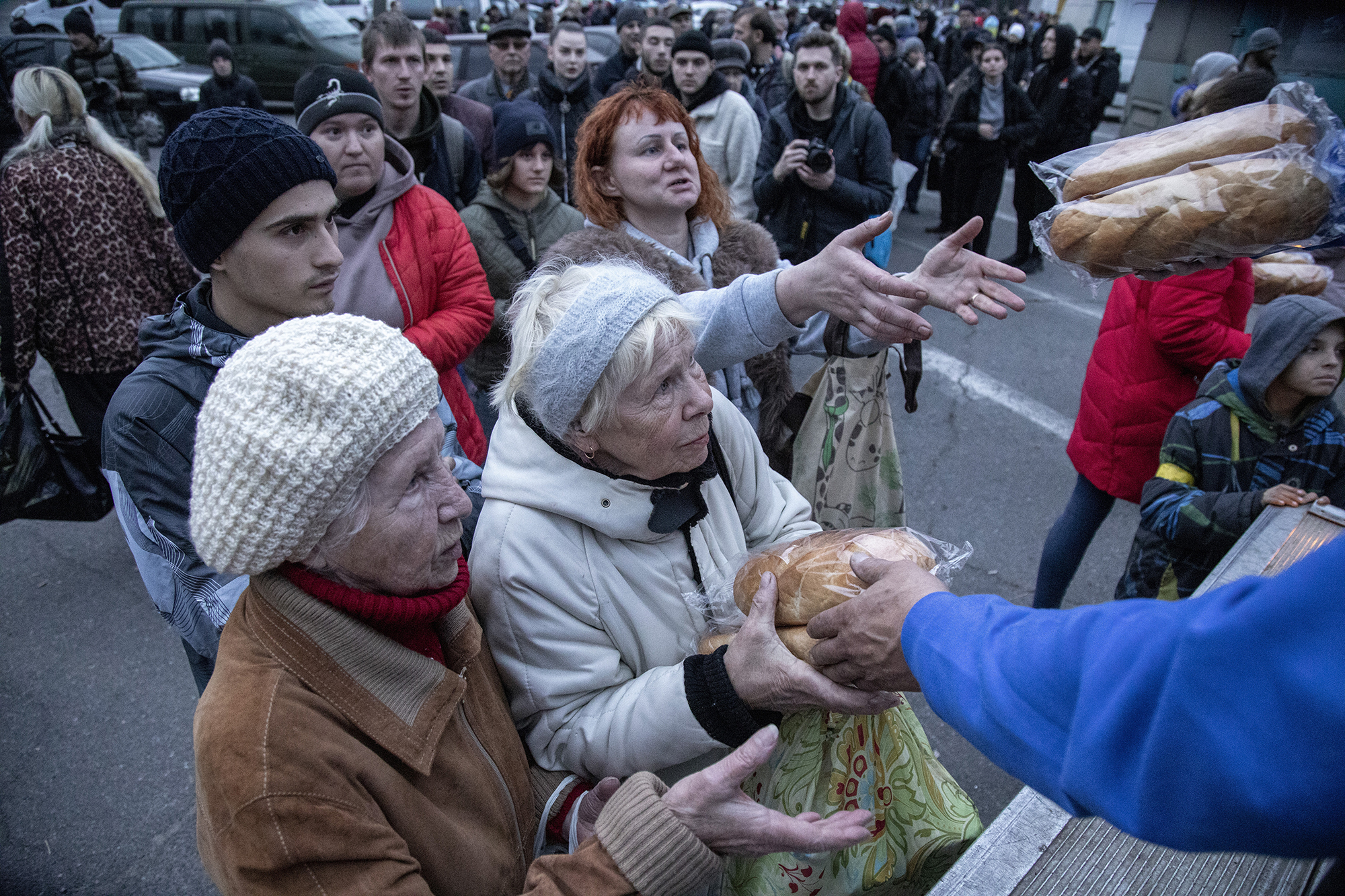
From bread lines in Iran to empty restaurants in Israel, a potential food shortage is the greatest threat feared by both rulers and people when conflict erupts.
Conflicts have become the greatest threat to food security, creating more hungry people around the world, according to numerous UN reports.
A video report from Iran captured queues of citizens lined up outside a bakery to buy bread, a scene the journalist described as unusual. A report from Israel showed the owner of an empty restaurant telling the journalist that he would go to a shelter, ignoring any visitors, because his primary concern is his safety.
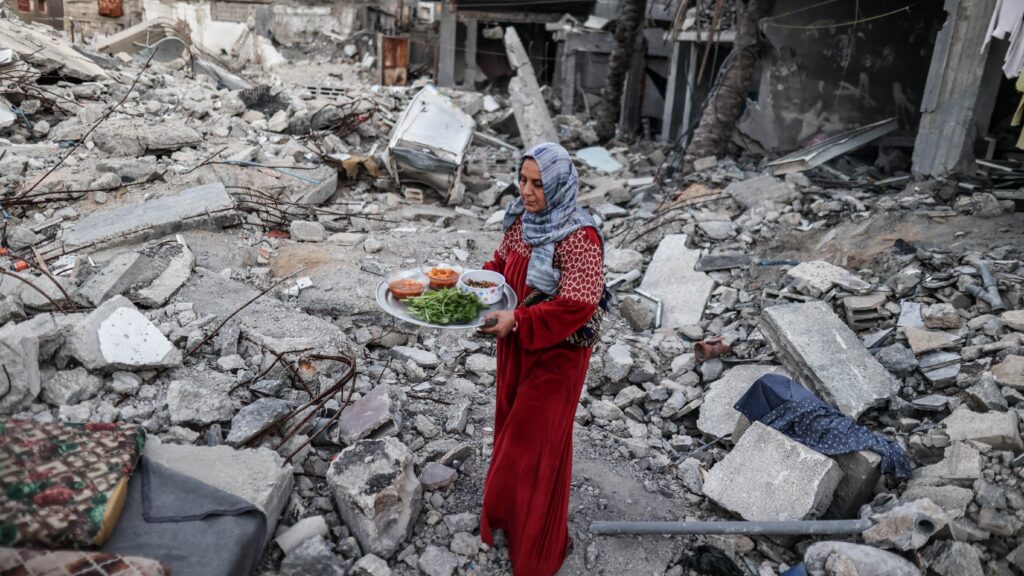
However, the scene in Gaza appears more brutal, as hungry people fall victim to the search for food to fill stomachs that may have been empty for days.
The latest crimes occurred a few days ago, when at least 8 Palestinians were killed and dozens wounded on Sunday in a shooting near food aid distribution points in Gaza, while residents described an escalation of Israeli attacks against the backdrop of the new war with Iran.
Although Israel has declared Gaza a secondary theater of operations for Iran, Palestinians have reported continued serious violence, including shootings around US- and Israeli-backed aid distribution points, and there are concerns that global attention is shifting away from Gaza, according to a report seen by “Food & Climate” Platform.
Also, Ukraine’s rural communities need immediate support to plant and produce food amid ongoing war, according to Food and Agricultural Organization of the United Nations (FAO) warn today.
Food shortage threat
The sight of empty restaurants on Friday in anticipation of Iranian strikes after the authorities’ warning, and bread lines in Iran on the fifth day of the war yesterday, reveal the fear of food shortages or the actual impact of the outbreak of conflict.
The large-scale conflict between Israel and Iran has entered its sixth day. The Israeli Air Force claims to have established full air superiority over the Iranian capital and continues to strike military targets. In response, Iran has launched an unprecedented missile counterattack.
CGTN stringer Komeil Soheili reports from the streets of Mashhad, Iran’s second-largest city, capturing daily life amid the turmoil. In the footage, many residents are seen queuing for bread.
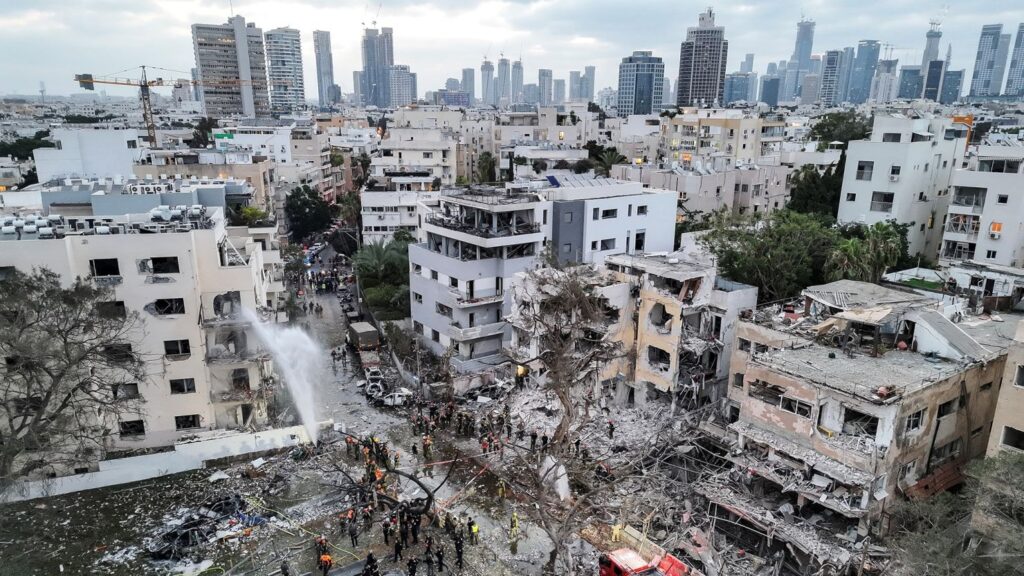
While the streets of Tel Aviv were calm on Friday morning, even as the country’s leaders warned the public to brace for Iranian retaliation after Israel launched a wide-scale attack on Iran.
The military closed schools nationwide and banned public gatherings, canceling the annual Tel Aviv Pride parade, which normally attracts tens of thousands of revelers to the city.
“We’ve already been in this scenario twice,” said 31-year-old Uri, sitting on a bench outside a supermarket, questioning whether to open his restaurant or have to throw out the day’s food.
“I don’t really care, honestly. I’ll just go to a shelter and I’ll be okay,” he said, when asked whether he had any concerns about his own safety, according to “Times of Israel”.
On Sunday, the latest killings of Palestinians near the aid distributions managed by the Gaza Humanitarian Foundation (GHF) took place as Tom Fletcher, the UN’s under-secretary general for humanitarian affairs and emergency relief coordinator, warned about the foundation’s operations.
He said: “Hunger must never be met with bullets. Humanitarians must be allowed to do their work. Life-saving aid must reach people in need, in line with humanitarian principles”.
“Without immediate and massively scaled-up access to the basic means survival, we risk a descent into famine, further chaos and the loss of more lives,” he said.
In the latest incident, Palestinians said Israeli forces opened fire at about dawn towards crowds of Palestinians heading to two aid sites in Rafah. The attacks in Gaza are taking place as concern mounts that the territory is being forgotten, according to “The Guardian”.
UN report warns
A new UN report warned that people in five hunger hotspots around the world face extremely high levels of hunger and the risk of starvation in the coming months unless urgent humanitarian action and coordinated international efforts are taken to de-escalate conflicts, stop displacement, and intensify the comprehensive humanitarian response.
The Hunger Hotspots report shows that Sudan, Palestine, South Sudan, Haiti, and Mali are the hotspots of greatest concern, with communities already facing famine, the risk of famine, or catastrophic levels of acute food insecurity due to escalating or ongoing conflicts, economic shocks, and natural disasters. These devastating crises are being exacerbated by increasing constraints on aid access and severe funding shortfalls.
The twice-yearly report, issued by the Food and Agriculture Organization (FAO) and the World Food Programme (WFP), serves as a proactive analysis and early warning of worsening food crises over the next five months.
Another UN report last month indicated that conflict is the primary cause of hunger, affecting nearly 140 million people in 20 countries in 2024, including areas facing catastrophic levels of food insecurity in Gaza, South Sudan, Haiti, and Mali. Inflation and currency depreciation have pushed 59.4 million people into food crisis in 15 countries—nearly double the levels seen before the COVID-19 pandemic—including Syria and Yemen. Meanwhile, extreme weather, particularly drought and flooding caused by El Niño, has pushed 18 countries into crisis, affecting more than 96 million people, particularly in Southern Africa, South Asia, and the Horn of Africa.
Related Topics:
FAO: Gaza’s agrifood systems infrastructure are devastated by the conflict
A new study: food systems face many challenges due to conflicts among their multiple objectives