
Food & Climate
Afghanistan has requested Russian wheat imports to meet its needs, amid concerns about the growing threat to food supplies from Iran, its main trading partner, following strikes by Israel and the outbreak of war between the two countries, according to a report seen by “Food & Climate” platform.
According to statements made by a senior minister in the Taliban government, which has ruled Afghanistan since the overthrow of President Ashraf Ghani following the withdrawal of US forces in 2021, following a 10-year war, no country has recognized it. Even Saudi Arabia and the UAE withdrew the recognition granted during its first term in power, creating difficulties in international trade and undermining its ability to purchase essential commodities such as food and energy.
Therefore, the Taliban has turned to countries already subject to US sanctions, such as Iran. Now, with the war escalating, they are planning to purchase Russian wheat.
The Taliban’s move to purchase Russian wheat may be far-sighted, as they were motivated by concerns about the threat to supplies from Tehran if the war escalates, as happened yesterday, Sunday, and today, Monday, June 23, 2025. While the US joined Israel in its war on Tehran yesterday, launching strikes against nuclear sites, Iran responded by striking the US military base in Qatar with six missiles several hours ago.
Discussing the possibility of importing Russian wheat
Afghanistan is discussing the possibility of importing Russian wheat and many certain food products amid the threat of disruptions in supplies from Iran caused by the armed conflict between Israel and Iran, one of Afghanistan’s main trading partners. This was announced by the Afghan Minister of Agriculture Ataullah Omari in an interview with Reuters.
According to him, “Afghanistan certainly strives for self-sufficiency in agricultural products. However, we still depend on some goods coming from Iran, and if there are problems there, it will definitely affect us.”
Against the background of improving relations between Russia and the Taliban government, an Afghan delegation last week visited Russia’s main economic forum in St. Petersburg and held meetings with representatives of the Russian agricultural ministry.

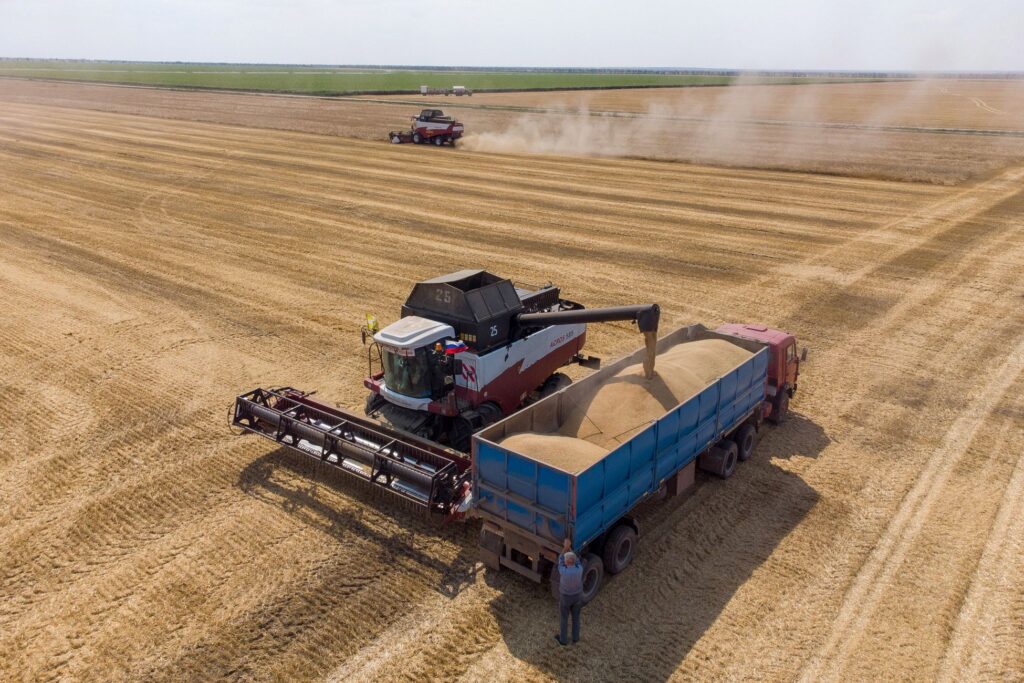
Russia, together with Kazakhstan, supplies Afghanistan with wheat and flour. Russia also exports sugar and vegetable oil to the country. However, Omari noted that Kabul is currently interested in purchasing wheat, not flour.
“We have asked Russia to send us wheat instead of flour. Imports of other goods from Russia are also progressing well,” the Afghan Minister of Agriculture Ataullah Omari, said.
In 2024, Afghanistan became the largest buyer of Russian flour. At the same time, in 2023, the country increased its own wheat production by 10% to 4.83 million tons. The country’s total annual need is about 6.8 million tons.
“For the last four years — after the Americans left — we have been striving to self-sufficient in basic products. Insufficient volumes, in particular wheat and flour, are supplied from Russia every year,” Omari added.
WFP warns
The World Food Program (WFP) said on Thursday that food prices across Afghanistan have risen sharply in recent days, largely due to disruptions in trade routes along the country’s southern and western borders with Iran, where ongoing friction between Tehran and Israel has delayed essential imports.
The WFP report, based on week-over-week price tracking, found that most staple food prices surged almost immediately. It cited bottlenecks at regional crossings as a key driver of elevated transportation costs, prompting concern that prices may climb further before stability returns.
A 14.7‑percent increase in the price of diesel—now averaging 67.1 afghanis per liter—has buoyed inflation across the food supply chain. The WFP noted that disruptions to fuel and imported inputs have sparked speculative behavior among wholesalers and traders, further straining local markets.
“Markets remain fragile,” the report said, noting how rising fuel costs and constrained imports are compounding food insecurity risks.
Vegetable prices showed mixed trends: eggplants and potatoes eased slightly compared to the previous week, while onions rose 2.8 percent. Year-over-year comparisons show seasonally lower rates for most produce.
The WFP also found that despite a marginal increase in average seasonal working days, daily wages have stagnated, causing a sharp erosion in purchasing power for casual laborers.
Price changes in non-food items such as fertilizer and improved seeds were modest, but the report warned that dwindling imports from Iran could trigger future inflation.
“Escalating costs and market volatility threaten Afghanistan’s food security and economic resilience and demand urgent global attention,” the WFP concluded, according to “Amo“.
Related Topics:
Food security in Sri Lanka is threatened by the Iran-Israel war
Starvation in Gaza exacerbating due to strikes on Iran