
Food & Climate
Tuna fishing in Mozambique has become possible following the launch of a pilot project that deploys materials to attract fish to shore, facilitating their capture.
A pilot project, launched by the Food and Agriculture Organization of the United Nations (FAO) in collaboration with the Ministry of Agriculture, Environment and Fisheries of Mozambique, installed eight fish aggregation devices (FADs) serving four communities in Cabo Delgado province, in the north of the country.
The devices consist of concrete blocks for anchoring, a set of chains, buoys, and aggregation materials that attract fish, facilitating tuna fishing in Mozambique, according to a report received by “Food & Climate” Platform.
In the project implemented in Cabo Delgado, the aggregation components of these devices are made from sustainable organic materials, such as coconut palm fronds and ropes.
This method is successful because microorganisms or algae attach to the aggregation material. Smaller fish feed on them, which in turn attract larger fish. In tropical environments, the shade provided by these devices also attracts fish.
Fishermen’s lives change
Fishermen’s lives have changed after getting equpments for tuna fishing in Mozambique, the African country bordering the Indian Ocean with a coastline of nearly 2,000 kilometers.
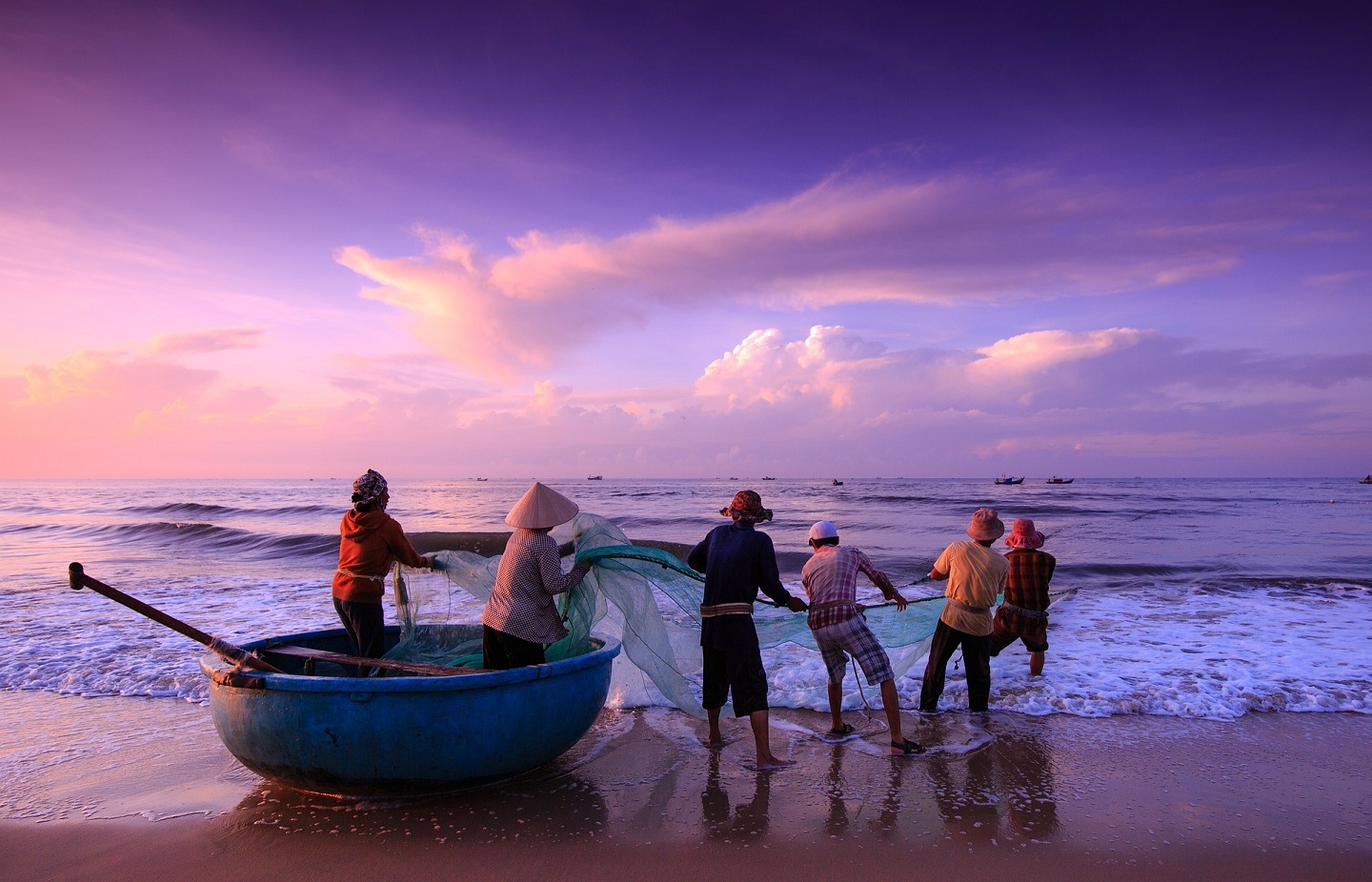
The beauty of the blue waters gently lapping against the pristine beaches of Cabo Delgado Province, Mozambique, belies the difficulty local fishermen face in making a living.
Mário Sadique, a 52-year-old father of 12 from the coastal area of Mekovi, said he fishes to support his family, but sometimes it’s difficult to catch, or the weather is so bad “that I can’t go out to sea. To supplement my family’s food supplies and income, I also do some farming.”
Sadique’s fishing trips were arduous. Three times a week, he would row his traditional boat for two hours to reach deeper waters where he would spend the night fishing for tuna and other deep-sea fish, often not returning until the following afternoon.
Despite his tremendous effort, the catch was often meager, partly due to inadequate fishing gear and partly to the declining fish stocks near the shore.
On unfavorable days, he sometimes returned with barely one kilogram of fish, not enough to feed his family, let alone sell.
The unpredictable nature of the water forced him to constantly change fishing locations, relying solely on instinct and his luck.
Tuna fishing in Mozambique by new devices
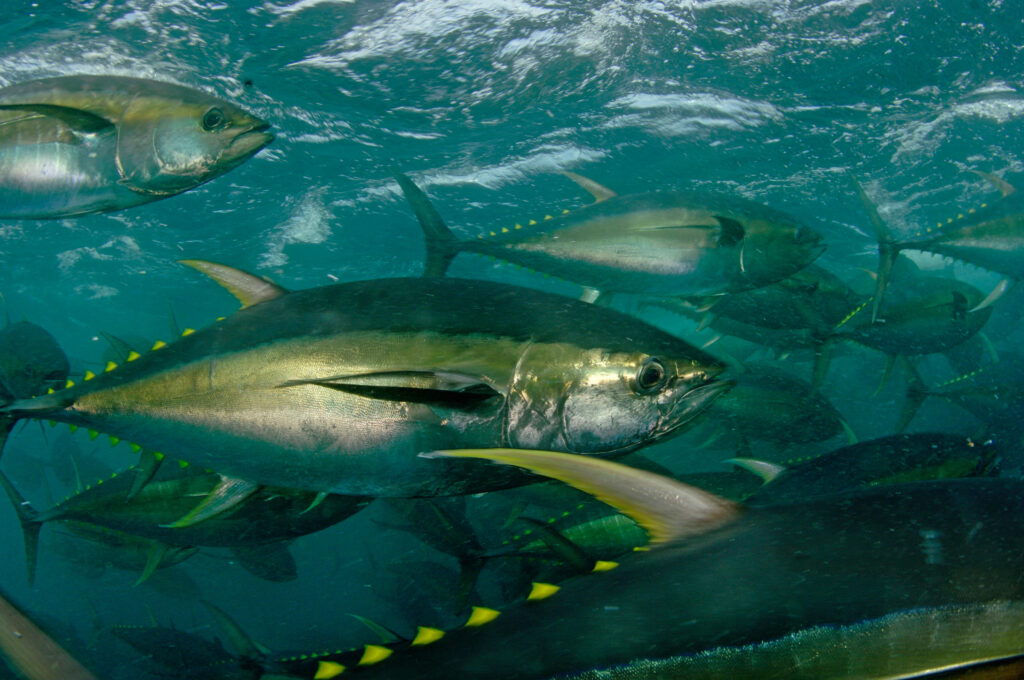
An FAO project has facilitated tuna fishing in Mozambique by installing in-water devices. “The idea behind installing these devices was to enable small-scale fishers to access the abundant tuna stocks offshore, as fishing pressure is extremely high in near-shore waters,” said Jon Lansley, a fishery industry officer at FAO.
Under the project, FAO trained technicians and local fishermen to build and use the devices. Sixteen fishermen also learned new fishing techniques using the devices. The fishermen were provided with basic equipment, including lines, hooks, and bait.
With financial support from the Norwegian Agency for Development Cooperation, the project resulted in increased catches, increased incomes, and reduced time spent at sea.
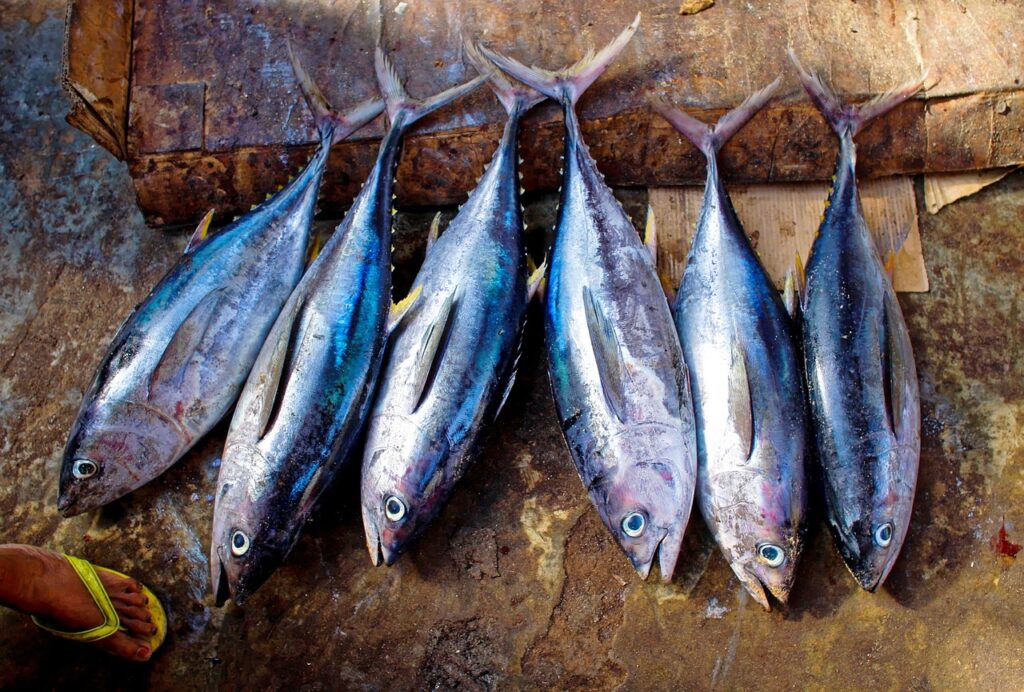
The simple fixed FADs helped Mário Sadique and other fishermen fish in a stable location, reducing their trips and significantly increasing their catch, which jumped from 1-5 kilograms per trip to an average of around 20 kilograms, significantly increasing their income. On a good day, they can earn up to 3,000 Mozambican meticals ($47) from a single trip.
Although challenges persist, such as extreme weather events such as Cyclone Shedo, which struck the region in December 2024, fishermen are better positioned to recover from these shocks.
The large tuna fish they can now catch are highly valued, especially by restaurants and hotels in the provincial capital, Pemba. This catch contributes to the economic stability and nutritional well-being of the fishing community.
As part of a new project in 2025, the organization is preparing to install more of these devices and distribute 100 kits to local fishermen.
Related Topics:
Fisheries in the Comoros, the blue economy opens doors to growth (World Bank)
Efforts to combat illegal fishing win China support