Food & Climate
Single-use plastic in Japan has halved in the past five years, but some industries still need plastic products, such as liquid packaging. Researchers have developed a robust alternative that in the oceans within a year.
Dolphins or sea turtles struggling or even dying because they got tangled up in plastic waste due to single-use plastics in Japan and other countries.
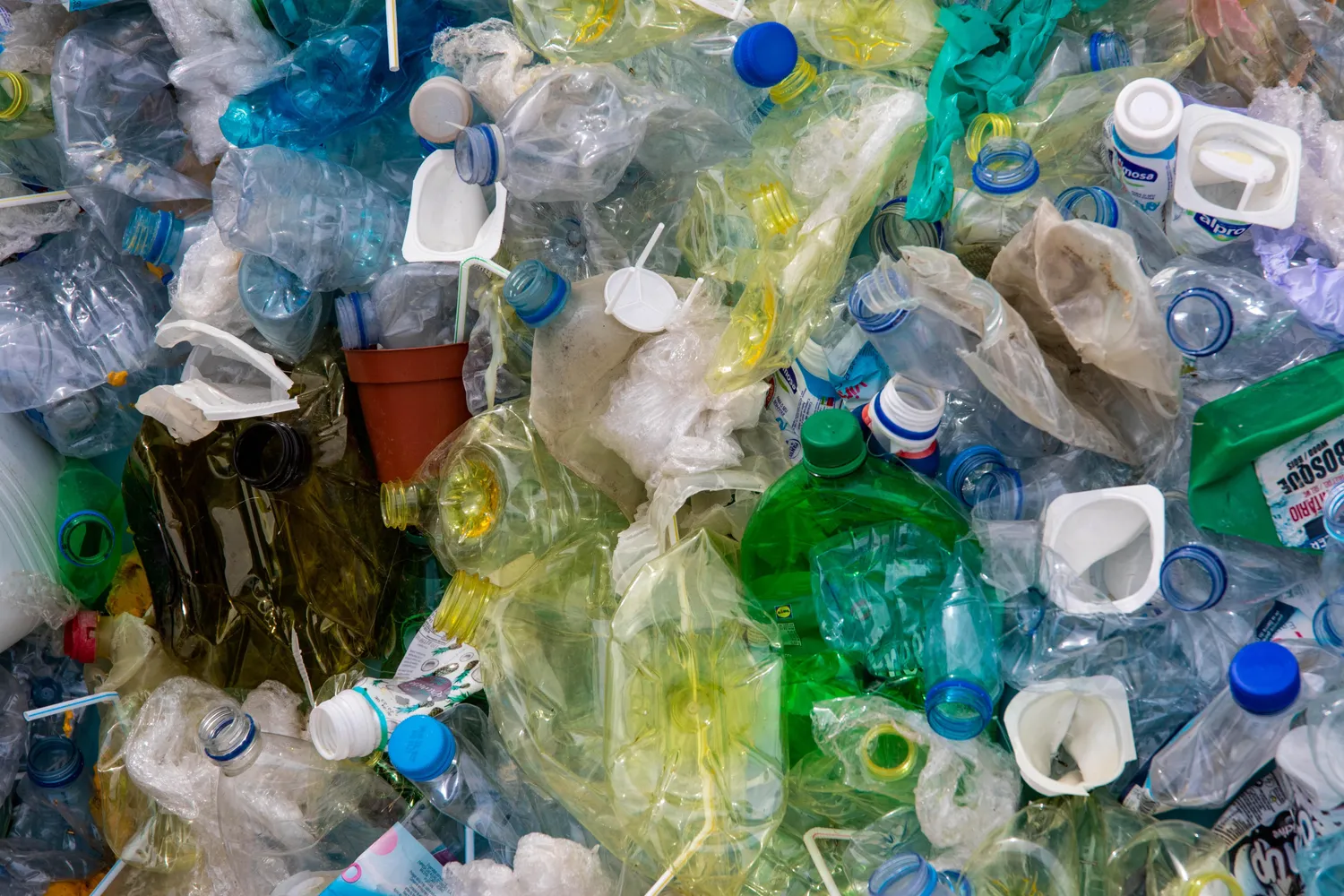
Not only are these materials wasteful, they are also highly polluting and difficult to dispose of. If it ever does break down, it can take hundreds or even thousands of years, after which time microplastics still remain.
And what’s worse is the sheer volume of plastic that isn’t properly disposed of, meaning that it often drifts out in waterways and ends up in oceans.
It’s no wonder that 99% of the Great Pacific Garbage Patch is comprised of plastic.
Plenty of plastic alternatives have been rolled out, and that’s definitely a good thing, according to a report seen by “Food & Climate” platform.
Paper and cardboard packaging replacing the plastic
While paper and cardboard packaging replacing the plastic that has proliferated in Japan’s stores for decades, there are still some situations in which plastic is needed, for example where liquids are involved. And thus, researchers in Japan have been working on creating viable biodegradable alternatives to plastic in order to fill this gap in the market.
And according to their paper, which has been recently published in the journal Science Advances, they’ve had a breakthrough.

When it came to the creation of their replacement plastic product, the team were driven by the acknowledgement that even with the best intentions, some waste items are still likely to end up in oceans. As such, they explain in their paper, they created a material suitable for this:
“To mitigate marine pollution from single-use plastics, it is crucial to transition to next-generation commodity materials that are derived from biomass and are recyclable and marine biodegradable even at abyssal depths in case of the accidental release to the ocean.”
Thus, the product that they have created – known as transparent paperboard (tPB) – has been proven to fully disintegrate even in the most challenging of aquatic conditions in under a year.
But if this is the case, would it still be effective in holding liquids? As the researchers explain, the transparent paperboard (which, like paper, is made of cellulose from plants) is capable of carrying boiling water for hours without leaking:
“The tPB is made entirely of pristine cellulose and compositionally identical to paper. A cup-shaped tPB can hold just-boiled water without an internal film coating because of its high wet tensile properties and anisotropic thermal properties.”
And with a thin coating, this transparent material can hold all kinds of liquids for even longer.
Recycled tPB showing its transparency declining
The real cherry on top of their sustainable product is the fact that the product not only breaks down into harmless molecules in water, but that it is fully recyclable too:
“The spent tPB is material recyclable in a closed system, where all chemicals and water are also recyclable. Furthermore, the marine biodegradability of tPB across shallow to abyssal depths is confirmed by on-site degradation tests and metagenomic analyses. Hence, tPB is expected to serve as a key fully circular commodity material in sustainable societies of the future.”

There is one small downside to the recycling of tPB, and that is that the recycled material is a little less transparent that its predecessor.
But in a world in which our climate and all of our most vital ecosystems are at risk, is fully clear packaging really a priority?
Thanks to the hard work of this team, for whom further testing is underway, we might be a whole lot closer to being free from single-use plastics forever, according to “Twisted Sifter”.