
Food & Climate
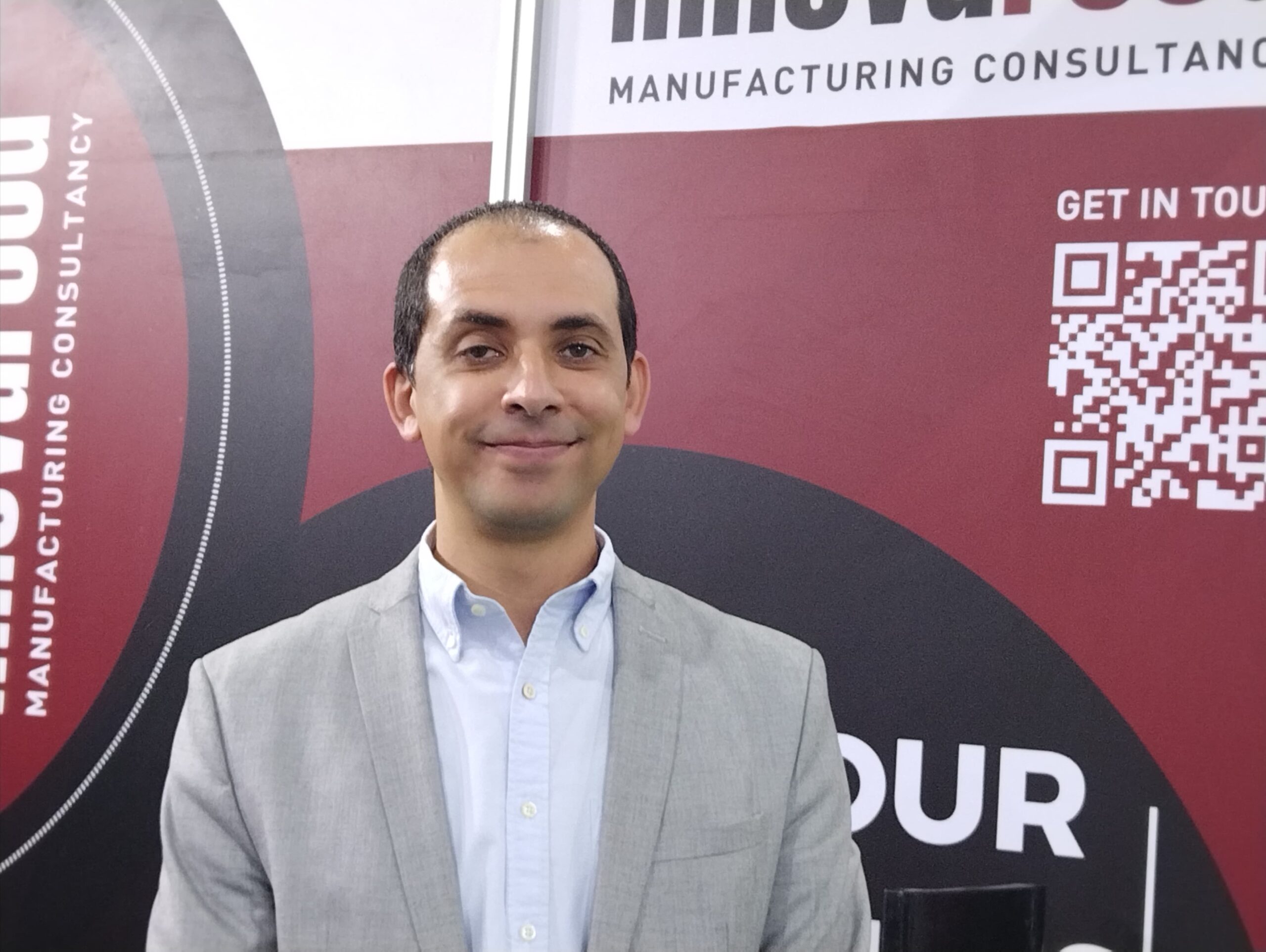
Demand for the production of cheap fast food has recently increased among the investments attracted by Africa’s food industry, joining many popular activities such as converting agricultural products into industrial products to create added value, according to Mahmoud Beltagy, General Manager of the Egyptian company Innova Food, in an interview with “Food & Climate” platform.
Innova Food works in the field of designing food production facilities in sustainable ways that save raw materials and energy, and has implemented dozens of projects in approximately eight countries, most of which are in Africa.
Beltagy noted a growing demand for investment in Africa’s food industry recently, especially for the production of cheap fast food in many countries on the continent. “However, this demand does not pay much attention to health standards. The issue is no more than applying a principle called “Hunger fill” or simply filling the stomach at a cheap price.”
According to the latest available data from the Food and Agriculture Organization of the United Nations (FAO) and other international organizations and charitable foundations, the number of people suffering from food insecurity on the African continent has nearly doubled (1.7 times) in the last 10 years. The number of people suffering from malnutrition in Africa has exceeded 262 million, including 11.1 million in North African countries.
Culture Determines the Direction of the Food Industry in Africa
In an interview with “Food & Climate” platform, Mahmoud Beltagy, General Manager of the Egyptian company “Innova Food,” said that culture determines investment demand in the Africa’s food industry and other countries.
He added, in his interview on the sidelines of the “Fi Africa & Propack MENA” exhibitions, which were recently held in Cairo, “The culture of the location determines investment demand. In Africa, there is a demand for factories that convert agricultural crops into products and create added value, such as converting tomatoes into sauce.”
Investment demand in Africa’s food industry is also characterized by small-scale factories, as large funding is not available to establish expensive factories. Such as the pasta or concentrate industry, “they usually prefer to start where others left off,” according to Beltagy.
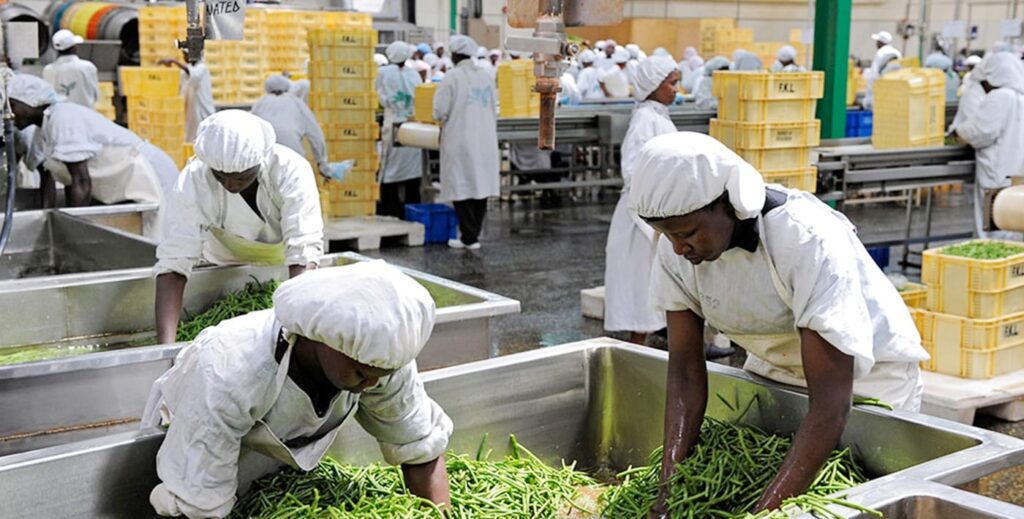
Beltagy said, “Egypt is an African country, but this doesn’t apply to it. There are huge investments in the food industry. For example, Egypt ranks fifth globally in the production of tomatoes and tomato paste. Many African countries cannot afford such investments.”
He continued, “What’s new now is the demand for cheap fast food, without any regard for health. What’s important is getting a filling meal at a cheap price. There’s a huge demand for establishing these ready-made meal factories.”
He added that investments in these industries are both local and foreign, and that there are Egyptian companies investing in some African countries.
In contrast, investors from the Gulf countries are coming to invest in the food industry because of its greater competitiveness in the region, due to the lower costs of labor and energy, and numerous agreements that guarantee the entry of products into many markets at no cost, such as COMESA and others.
Designing factories in 8 countries
Innova Food designs food factories, starting with the design and planning and ending with the facility being fully operational, according to its general manager, Mahmoud Beltagy, in an interview with “Food & Climate” platform.
Beltagy explained that the factory’s design takes into account what is known as “lean design” to reduce waste at all stages of production, including water, energy, and raw materials.
For example, “We use natural lighting during the day, and we employ skylights to bring in sunlight in the morning.” This is different from relying on solar energy, which is currently a high-cost energy source. Therefore, we utilize normal sunlight for daytime lighting.”
Beltagy pointed out that we carefully select environmentally friendly machines that consume less electricity.
We also make sure to reuse water in the factories we design.
Although food manufacturing plants are not able to adopt certain natural energy-saving methods, such as having open roofs for ventilation and eliminating air conditioning, as is the case in some home appliance factories in Sadat City, the facility operates with a system that maintains fresh air conditioning, according to Beltagy.
He explained: “In food factories, this doesn’t work, but we maintain purified air conditioning through insulation systems, the use of filters, and a calculated value of the amount of air allowed to enter, to control air quality while simultaneously reducing electricity costs.”
The concept of sustainability in facilities, whether industrial or non-industrial, has long existed in Egypt. It was implemented by Egyptian architect Hassan Fathy in a village in Nubia. He focused on providing healthy and economical buildings for the poor, which is why he was called the architect of the poor.
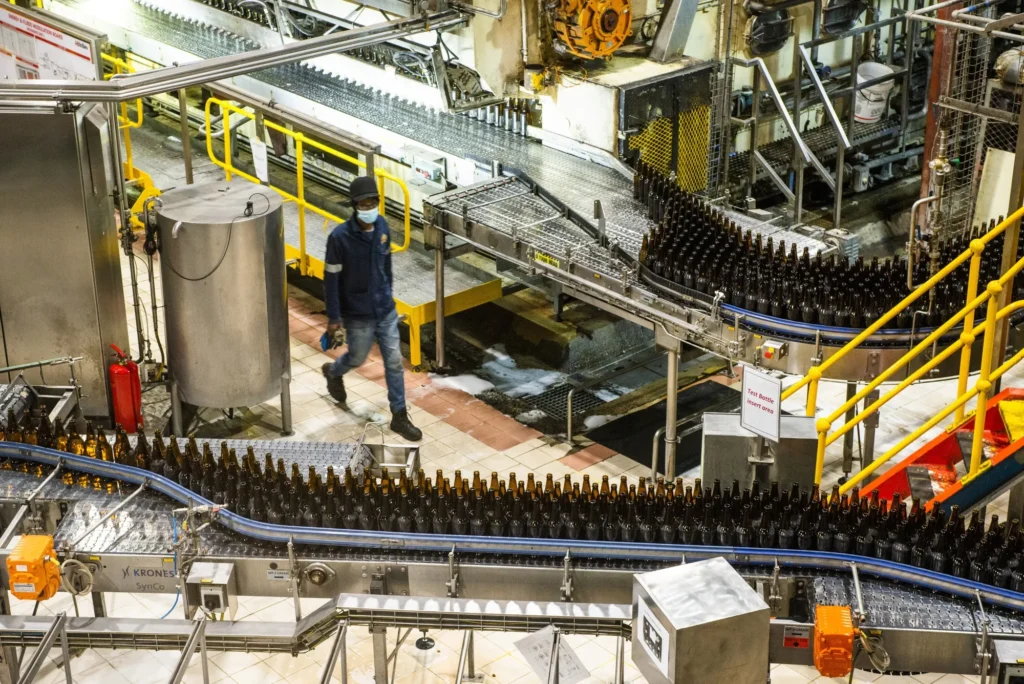
The idea the sustainability that Fathy has worked on to serve the poor is being used by investors to reduce costs and increase profitability.
Beltagy said that this design reduces water and electricity losses by a percentage that varies depending on each industry, but can reach 30-40%.
Innova Food was founded in 2013 and has implemented more than 40 projects in Egypt, Saudi Arabia, the UAE, Morocco, Iraq, Kenya, Guinea, and Tanzania, covering bakery products, sweets, pasta, noodles, dairy products, and juices, according to Beltagy.
Related Topics:
IFC supports sustainable agriculture in North Africa, official told “Food & Climate”