
Food & Climate
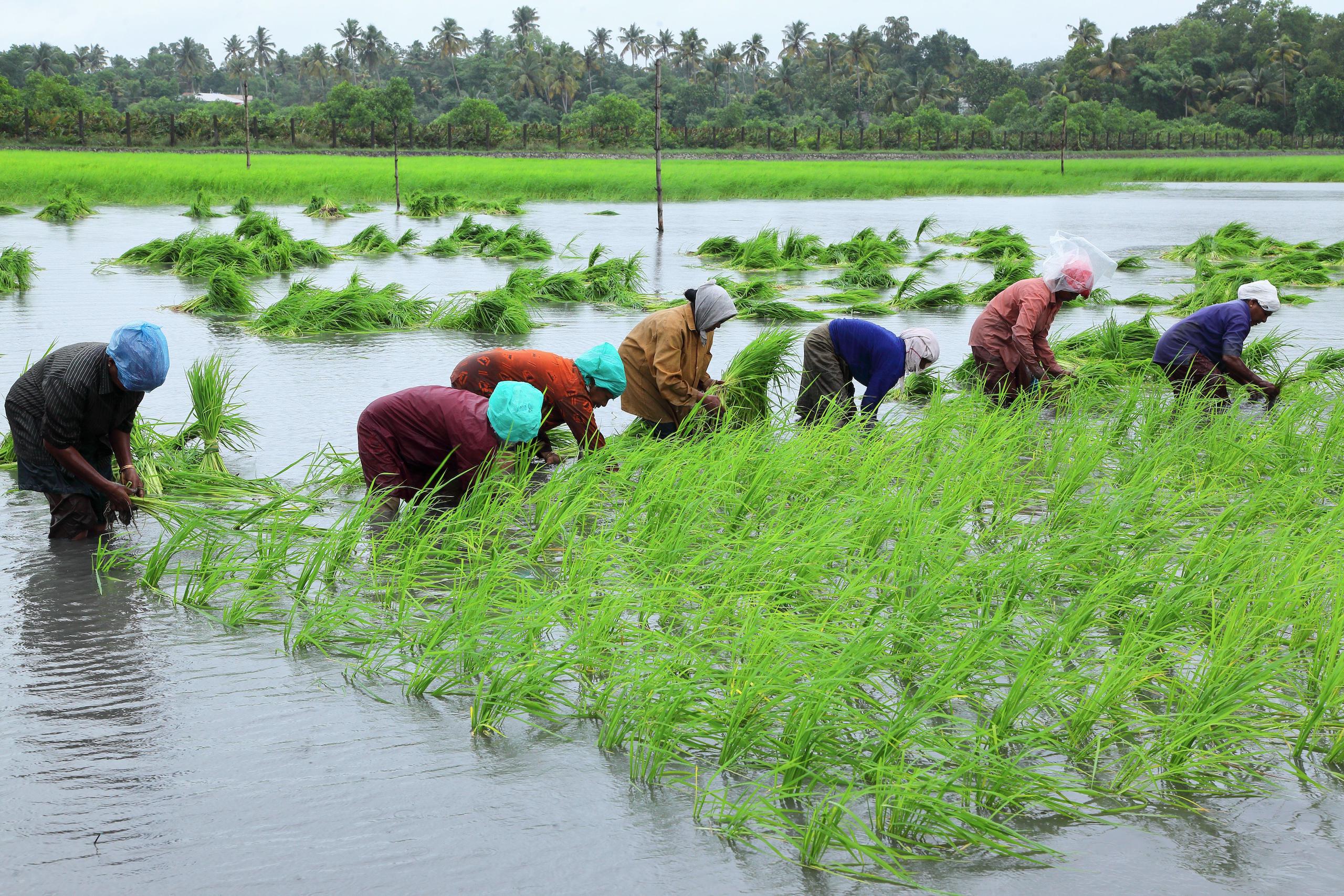
Mars Food & Nutrition announced support for sustainable rice farming in several countries, most notably India, which is the world’s largest exporter of this grain, at a time when a study concluded that traditional farming is currently facing major challenges in some parts of the Asian country.
Mars Food & Nutrition has announced a US$20 million investment over the next decade to strengthen sustainable rice farming, as climate pressures increasingly threaten one of the world’s most important staple crops, according to a report seen by Food & Climate.
The investment will be delivered through Mars’ newly launched Raising Rice Right platform.
The initiative is designed to accelerate the adoption of climate-smart agricultural practices among rice farmers in the United States, Europe, India, Pakistan and Thailand.
These regions represent a significant share of Mars’ rice-sourcing footprint and are increasingly exposed to water stress, erratic rainfall, and temperature extremes linked to climate change.
Promotion of practices such as AWD to support sustainable rice farming
Central to Mars Food & Nutrition programme to support sustainable rice farming is the promotion of practices such as alternate wetting and drying (AWD), a water management technique that allows rice paddies to dry intermittently rather than remain continuously flooded.
According to Mars, AWD can reduce water use by up to 30% and cut greenhouse gas emissions by more than 40%, while maintaining yields.

Methane emissions from flooded rice fields are a major contributor to agricultural-related greenhouse gas emissions, making rice a priority crop for climate mitigation efforts.
“Rice is a daily staple for billions of people and provides an income to millions of farmers around the world, but climate change is placing extraordinary pressure on this vital crop,” said Dale Creaser, global VP of supply chain at Mars Food & Nutrition.
The announcement for support sustainable rice farming comes as international bodies such as the IPCC and FAO continue to warn of mounting risks to global rice production.
Under current climate trajectories, global rice yields could decline by 10–15% by 2050, driven by rising temperatures, water scarcity and more frequent climate shocks.
For food manufacturers and millers, these pressures translate into higher supply volatility and increased input risk.
In consumer markets such as the UK, where 63% of people eat rice at least once a week and annual consumption reaches an estimated 2.3 billion bowls, supply resilience has become a strategic concern.
Through the Raising Rice Right platform, Mars plans to scale climate-smart practices, expand farmer training programmes and strengthen long-term resilience at farm level.
The company will also continue its role as a founding member of the Sustainable Rice Platform, a multi-stakeholder alliance that sets standards and benchmarks for sustainable rice cultivation globally.
“As the owners of Ben’s Original, one of the world’s largest rice brands, we have a responsibility to act,” Creaser said.
Creaser added that this investment is about future-proofing our business to ensure the company builds a resilient food supply chain and protects yields and livelihoods for farmers today and for generations to come.
Additionally, the commitment sits within Mars’ wider Sustainable in a Generation plan, which includes science-based targets to cut greenhouse gas emissions across its value chain by 50% by 2030 and to reach net zero emissions by 2050, according to “Milling mea“.
Unique challenges to traditional rice farming
In a pivotal study addressing the challenges of rice cultivation in flood-prone regions, a group of researchers from India, led by Raman et al., have introduced innovative resource modeling and adaptive strategies to enhance sustainable rice production.

This research is not just a response to immediate agricultural concerns but aims to transform farming practices in West Bengal, an area frequently ravaged by floods.
Their findings underscore the urgent need for adaptive methodologies in agriculture, reflecting a broader, global crisis where climate change acts as a catalyst for extreme weather events.
The study, published in the journal Discover Agriculture, reveals that flood-prone areas present unique challenges to traditional rice farming practices. The researchers meticulously analyzed historical data and field observations, constructing dynamic models that account for various factors influencing rice yield during periods of flooding. The complexity of these models reflects the nuanced understanding required to navigate the interplay between climate phenomena and agricultural practices, according “Bioengneer.org“.
One of the standout features of this research is its emphasis on localized solutions tailored to specific environmental and socio-economic contexts. West Bengal, with its intricate network of rivers and varying soil types, serves as a case study for the application of these adaptive strategies. The researchers advocate for a shift towards integrated resource management that incorporates traditional knowledge alongside modern agricultural techniques. This dual approach not only promises immediate benefits but also ensures resilience against future climatic uncertainties.
The implications of this research extend beyond West Bengal. As climate change continues to affect agricultural sectors worldwide, the adaptive strategies outlined by Raman et al. could serve as a blueprint for other flood-prone regions globally. The idea is to cultivate a more resilient agricultural framework that can withstand the pressures of increasingly volatile weather patterns.