
Food & Climate
A new international study warns that efforts to promote edible insects as a mainstream meat alternative in Western diets are likely to fail due to deep-rooted consumer disgust.
The study, Beyond the Buzz: Insect-based Foods are Unlikely to Significantly Reduce Meat Consumption, found that “the psychological rejection experienced by consumers, predominantly feelings of disgust,” poses the biggest obstacle to market acceptance, according to Dr. Dustin Crummett, co-author and Executive Director of the Insect Institute, said, according to a report seen by “Food & Climate” platform.
While the new study expectations are depressed, a new report from Persistence Market Research, said: The global edible insects market size is estimated to grow from $ 2,311.0 million in 2025 to $ 4,665.5 million by 2032, reflecting a robust CAGR of 10.6% from 2025 to 2032. This growth is driven by increasing consumer awareness of the environmental impact of traditional protein sources and the rising demand for alternative protein products.
Praise edible insects only
Despite many years spent encouraging consumers towards more sustainable meat alternatives, insects have struggled to move beyond the so-called ‘yuck’ factor, according to the study which was published in npj Sustainable Agriculture.
Beyond the Buzz finds that high levels of disgust along with a number of economic and cultural barriers are too big an obstacle for the farmed insect market to overcome.”
The research, conducted by a team from the UK, US and Europe, analysed existing studies on consumer attitudes toward alternative proteins. It found that “willingness to try” plant-based meat substitutes reached as high as 91%, while for insect-based foods it hovered around just 20%.
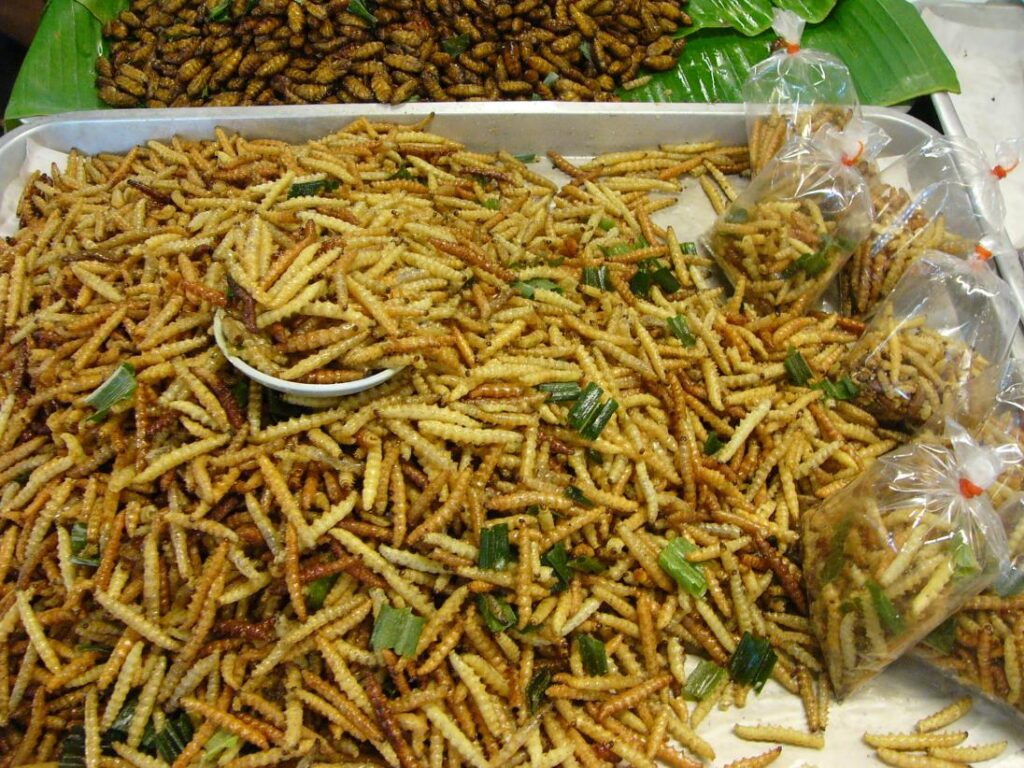
Even when insects are processed into unrecognisable forms such as powders or blended into familiar foods, consumer reluctance remains.
Dr. Crummett added: Our research suggests that this is unlikely to change in the future. Policymakers, investors and organisations working to improve the environmental and health impact of Western diets should consider that other meat alternatives may have a better chance of long-term acceptance by consumers.”
The study highlights that although people often praise edible insects for their lower environmental impact compared to meat, they still fall short against existing plant-based proteins. The researchers ranked insects lowest among alternative proteins for environmental performance, scalability and animal welfare.
The vast majority of these insect-based products, around 90%, are novelty snacks or niche ingredients that do not compete with meat at all. As the study notes, “most insect products end up competing with plant-based foods rather than replacing meat, potentially worsening environmental outcomes.”
Moreover, recent government-commissioned analysis in the UK found that using black soldier fly larvae as animal feed had a climate impact up to 13.5 times worse than soy.
The study’s findings arrive at a pivotal time for the food industry. With livestock production responsible for roughly 14.5% of global greenhouse gas emissions, the search for sustainable protein alternatives has become urgent. However, Beyond the Buzz suggests that insects are not the answer, at least not for human consumption in the West.
The authors recommend that future food innovation and policy efforts focus instead on more culturally acceptable alternatives, such as plant-based and cultivated meats, according to “New Food“.
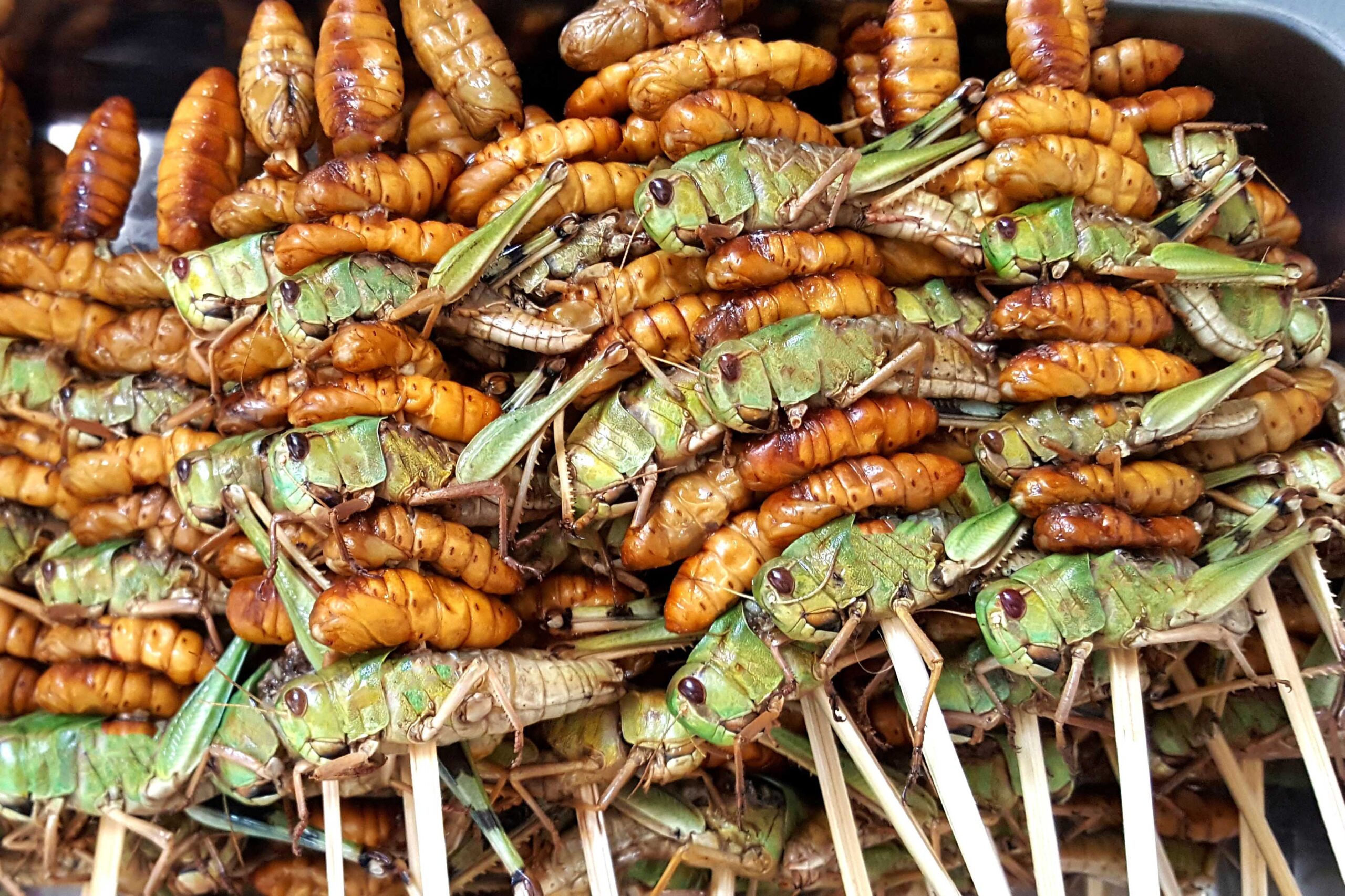
Crickets, mealworms, grasshoppers, and ants
Edible insects, which include species such as crickets, mealworms, grasshoppers, and ants, offer a high-quality, sustainable alternative to meat, according to Persistence Market Research report.
With the world’s population expected to reach over 9 billion by 2050, the food industry must adapt to meet the increasing demand for protein while minimizing the environmental footprint. As the global demand for plant-based and sustainable food alternatives grows, edible insects are positioning themselves as a viable solution to the food security challenges of the future.
One of the key factors contributing to the growth of the edible insects’ market is the rising awareness of the environmental sustainability of insect farming. Insects require significantly fewer resources (land, water, and feed) compared to conventional livestock, making them a more sustainable option. Moreover, they are rich in protein, vitamins, and minerals, offering a highly nutritious food source. As a result, edible insects are becoming an attractive option not only for consumers but also for food manufacturers seeking sustainable ingredients.
The leading segment in the edible insects’ market is expected to be the food and beverage industry, which is utilizing insect-based ingredients in products such as protein bars, snacks, and even beverages. Geographically, Asia-Pacific remains the dominant region due to its historical consumption of insects as a food source. However, the demand in North America and Europe is growing rapidly, driven by increasing consumer interest in sustainable and plant-based food alternatives.
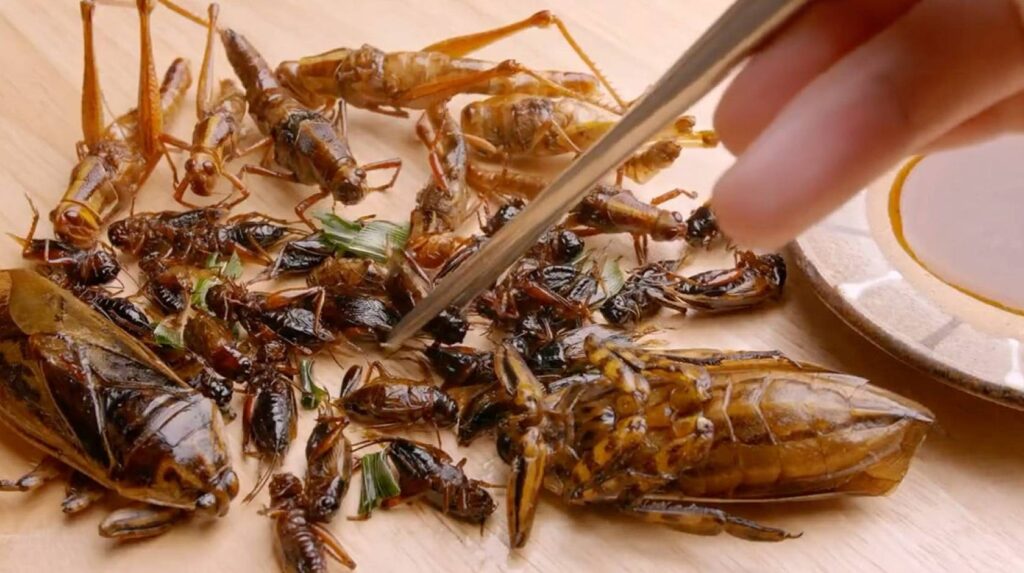
The edible insects’ market can be segmented based on product type, application, and region. Product types include various insect species such as crickets, mealworms, grasshoppers, and black soldier flies. Among these, crickets are the most commonly consumed edible insect due to their high protein content, low fat, and excellent sustainability profile. They are commonly used in protein powder form and as a key ingredient in protein bars and snacks.
In terms of application, the food and beverage sector are the largest consumer of edible insects. This includes not only insect-based snacks and protein bars but also insect protein powders used in smoothies, beverages, and other functional foods. The animal feed industry also constitutes a significant share, as insect-based proteins are being used as sustainable feed alternatives for livestock and pets. With growing concerns over the environmental impact of traditional animal feed production, insects offer a more sustainable option, providing a nutritious source of protein and reducing the carbon footprint.
Related Topics:
What is Xylella fastidiosa which devastated Italian Puglia olive farms?