Food & Climate
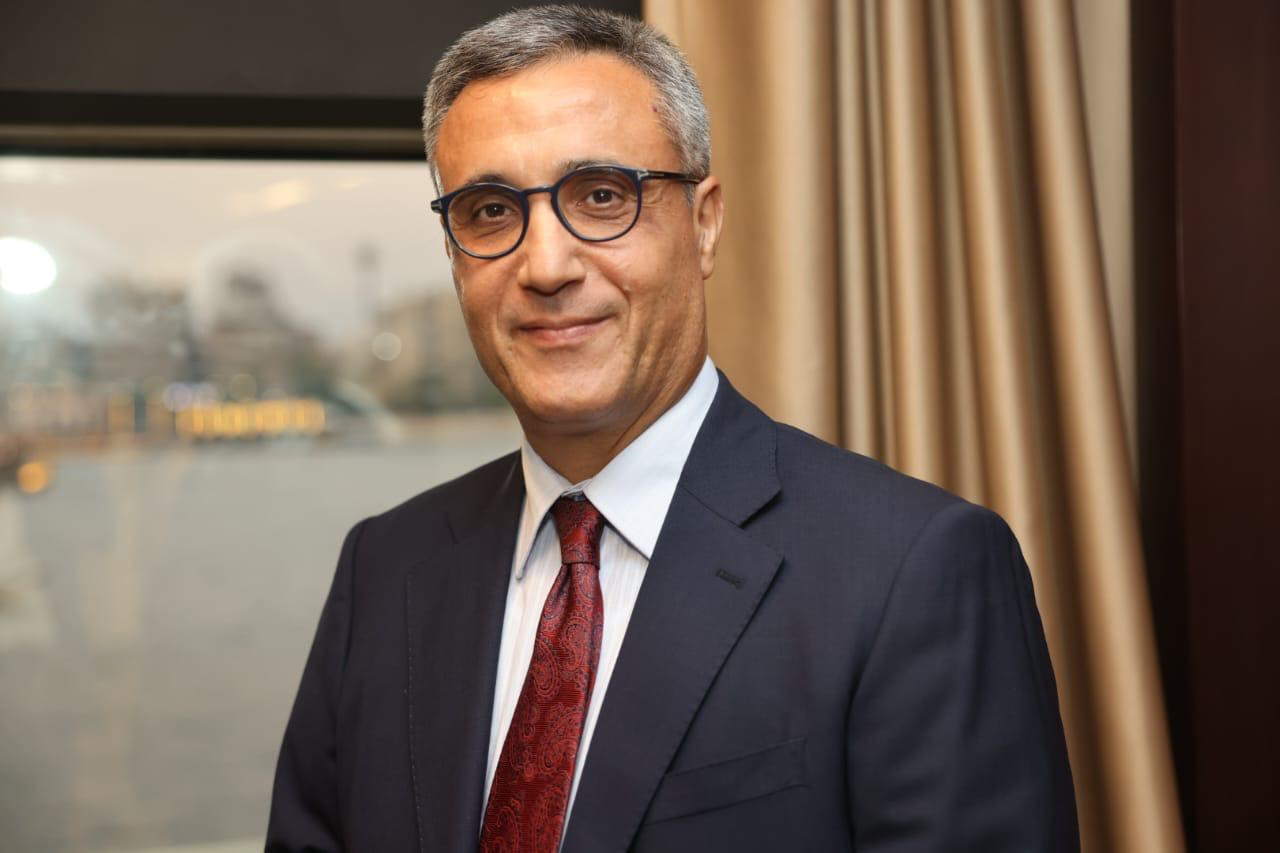
Wheat farming in Algeria has witnessed an influx of Egyptian investments from individuals and companies in recent years, the Algerian Ambassador to Cairo, Mohamed Sofiane Berrah, told “Food & Climate“
Berrah added in his remarks, on the sidelines of a press conference held yesterday, Wednesday, December 3, 2025, at the embassy in Cairo, to review the most prominent outcomes of the ninth session of the Joint High Committee, which convened from November 23-26, that Egyptian investments are also active in pumpkin and cotton cultivation. He noted that it is not possible to determine the size of the land area dedicated to the investments of wheat farming in Algeria.
He explained that the investments may be from individuals or companies, on a small scale, but when they grow and reach a certain size, and their owners wish to benefit from certain incentives, they submit an application to the National Investment Promotion Agency and the General Directorate of Agriculture to take advantage of these incentives.
“Therefore, we are trying to gather all the information through the first technical committee for investment cooperation, which was held here in Egypt. We want a shared understanding of the investment landscape in both countries, so we can then frame, encourage, and incentivize it. In the future, there will be reciprocal visits between the investment agencies of both countries, starting with the General Authority for Investment and Free Zones receiving an Algerian delegation to learn more about the Egyptian experience in the field of investment and free zones. Then, representatives of the Authority will go to Algeria to learn about the investment climate there”, Berrah said.
Algeria offers numerous incentives for investment in the country, such as tax exemptions or reductions, subsidized energy, and stable legislation that has remained unchanged for approximately 10 years, according to the North African country’s ambassador in Cairo.
The ambassador explained that there are 21 Egyptian companies operating in Algeria, including those in the agricultural sector.
Both Egypt and Algeria are striving to achieve self-sufficiency in wheat, as Cairo is the world’s largest wheat importer, and Algeria is also a major importer.
Wheat farming in Algeria
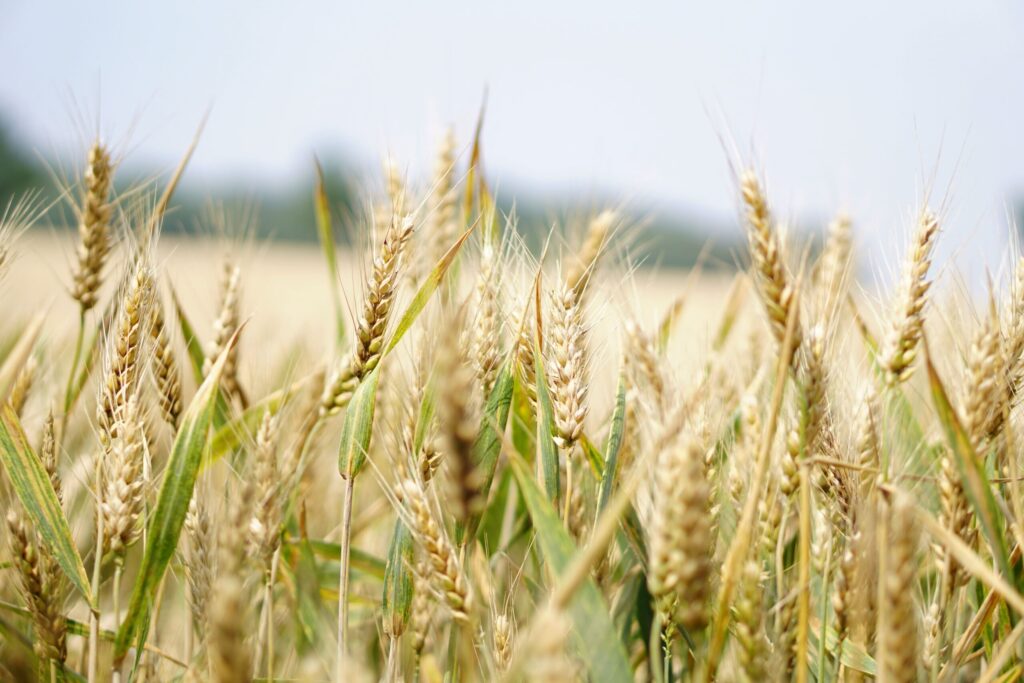
In a report issued in July 2025, the US Department of Agriculture predicted a significant improvement in wheat production in Algeria in the medium term, driven by improved climatic conditions, investment in modern agricultural technologies, and large-scale irrigation projects, according to the local newspaper Al-Ayyam.
The report explained that wheat farming in Algeria was negatively affected this season (relatively) by rainfall fluctuations at the beginning of the year. However, field data and satellite imagery of the green cover in the steppe and high plateau regions showed positive indicators compared to the previous season.
It also indicated that Algeria will continue, in the short term, to import quantities of grain, especially soft wheat, to ensure the availability of the product for consumers and maintain price stability, in parallel with the launch of projects to expand cultivated areas and improve productivity.
Algeria aims to reclaim new areas in the south, expand supplemental irrigation networks to combat drought, introduce disease- and climate-resistant seeds, and develop storage and transportation systems to reduce losses.
The US Department of Agriculture predicted that Algeria could reduce its grain imports by up to 30% by 2030 if it maintains its current investment pace.
On the Algerian side, the biggest challenge lies in achieving relative self-sufficiency within the next decade, particularly in durum wheat and barley, while continuing to import soft wheat to meet the needs of the bread industry.
Wheat in Egypt
Egypt, also located in North Africa, has similar plans for wheat cultivation and production to Algeria. Both countries aim to achieve self-sufficiency, improve and increase storage capacity, and develop more productive varieties that are resistant to the effects of climate change.
In October, Dr. Khaled Gad, Deputy Director of the Field Crops Research Institute at the Ministry of Agriculture, told “Food & Climate” that Egypt has been maintaining 50% self-sufficiency over the recent 10 years, despite a “dramatic” population increase, the nearly 20 million visitors to Egypt annually, and the limited arable land.
He attributed this success to a significant increase in yield per feddan and the national wheat program. He added that five new wheat varieties are expected to be introduced next year, with four others currently being registered. All of these varieties are high-yielding, water-efficient, and are planted using the raised-bed method, which saves 20% of water and 30% of the seeds consumed, thus reducing waste.

Over the past four years, all the grain storage facilities, which were previously earthen and resulted in significant waste, have been upgraded. Today, they are all concrete and covered, so waste has dropped from 30% to 8% currently. Our goal for the coming years, up to 2030, is to reach zero waste.
He said, “We are halfway through the plan and have reduced waste by approximately 20%, which means that the goal of zero waste will be achieved soon.”
The government is raising the procurement price for locally grown wheat to exceed the global price, with the aim of supporting farmers and encouraging them to cultivate it.