

Food & Climate
TotalEnergies and Quatra have signed a 15-year agreement beginning in 2026, for the supply of 60,000 tons a year of European used cooking oil to TotalEnergies’ biorefineries. This deal contributes to secure the feedstock to produce biodiesel and sustainable aviation fuel (SAF).
Quatra is the European market leader in the collection and recycling of used cooking oil. And TotalEnergies, which based in France, is one of the largest energy companies in the world.
Under the terms of the agreement, Quatra will collect used cooking oil directly from restaurants, restaurant chains and industry in France and the rest of Europe. The oil will then be delivered to Quatra sites for filtering before being shipped to TotalEnergies’ biorefineries to produce road biofuels and SAF, according to the TotalEnergies’ statement on the website which seen by “Food & Climate” platform.
TotalEnergies has converted its refineries at La Mède in the south of France and Grandpuits near Paris into biorefineries.
supplying locally collected used cooking oil
“I am delighted with this strategic agreement with Quatra that contributes to our aim to secure the feedstock we need to produce biofuels in our biorefineries. The development of biofuels is one of our Company’s strategic goals. By directly reducing the carbon intensity of the energy products used by our customers, we are actively working with them as part of our net zero approach, together with society,” said Valérie Goff, Senior Vice President, Renewable Fuels & Chemicals at TotalEnergies.
“At Quatra, we believe in long-term partnerships with leading industrial groups that combine logistics, environmental responsibility and financial viability. The deal between Quatra France and TotalEnergies is an excellent example of that. By supplying locally collected used cooking oil, we are contributing to a sustainable value chain. That allows us to focus on our core business, which is the efficient collection of used cooking oil across France, allowing TotalEnergies to turn that valuable resource into biofuel,” stated Pol Van Pollaert, Co-CEO, Quatra.
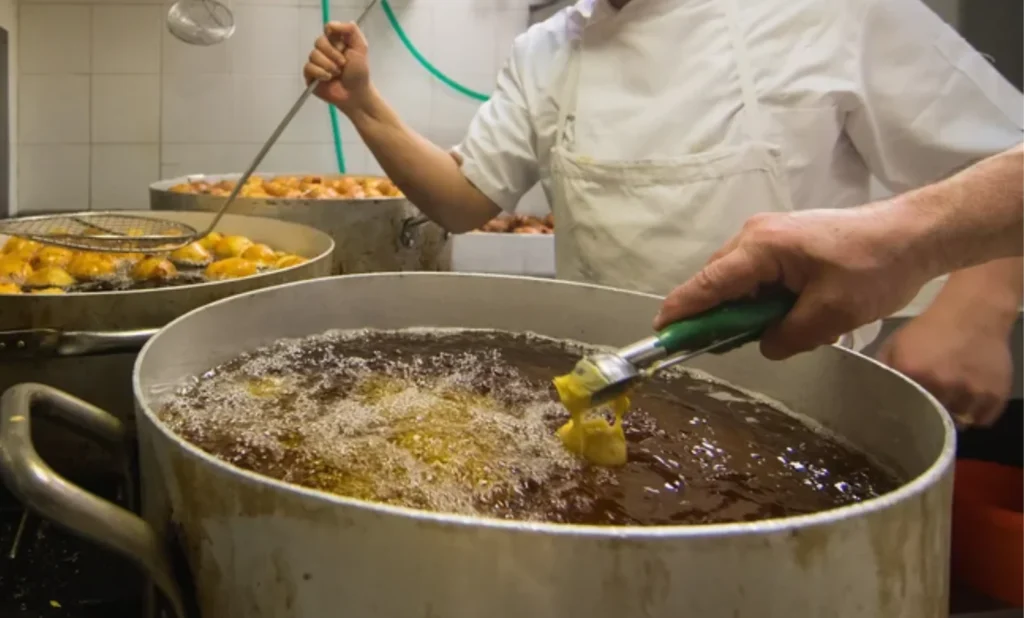
Quatra offers used cooking oil collection services for the hospitality sector, including (but not limited to) restaurants, bars, hotels, event venues, snackbars, popups. Additionally, Quatra also collects used frying oils in the industrial sector. Quatra provides a national service throughout the UK with key hubs located in London, Exeter, Birmingham, Hull and Glasgow, according its website.
Agreements continue
In Jan, Romanian OMV Petrom has signed a new purchase contract for pre-treated used cooking oil with Astra Bioplant of Bulgaria, a company part of the Bulmarket group owned by Bulgarian businessman Stanko Stankov, SNP announced in a note to investors.
In June 2024, OMV Petrom signed a similar contract with Romanian edible oil producer Expur.
The Romanian company thus secured more than 80% of the feedstock for the first eight years of production at the SAF/HVO plant during the execution phase.
In February this year, OMV Petrom started construction of new facilities at its Petrobrazi refinery to produce sustainable aviation fuel (SAF) and biodiesel (hydrotreated vegetable oil, HVO), the company announced.
Aircraft at Romania’s Cluj Airport start using sustainable aviation fuel supplied by OMV Petrom
The EUR 750 million investment will give OMV Petrom an annual production capacity of 250,000 tonnes, making it the first major producer of sustainable fuels in Southeast Europe.
The contract with Bioplant was concluded for a period of five years, with the possibility of an extension for three additional years, with deliveries to begin in 2028.
Pre-treated used cooking oil is the raw material for producing sustainable aviation fuel (SAF), which will be processed in the SAF/HVO plant currently under construction at the Petrobrazi refinery, according to “Romanian-Insider.
In June 2025, LuLu Group, one of the UAE’s largest retail chains, has begun powering its delivery fleet with biodiesel made from used cooking oil collected across its stores. This move is part of the company’s broader sustainability strategy and supports the UAE’s national vision of net-zero emissions by 2050.
The initiative is the result of a strategic partnership with UAE-based clean energy company Neutral Fuels, which processes the used cooking oil into biodiesel. This low-emission fuel is now powering an increasing share of LuLu’s delivery trucks, directly reducing greenhouse gas emissions on UAE roads.
In a statement, LuLu Group said, “This proves that practical, everyday actions can lead to measurable environmental benefits without compromising efficiency or service.”
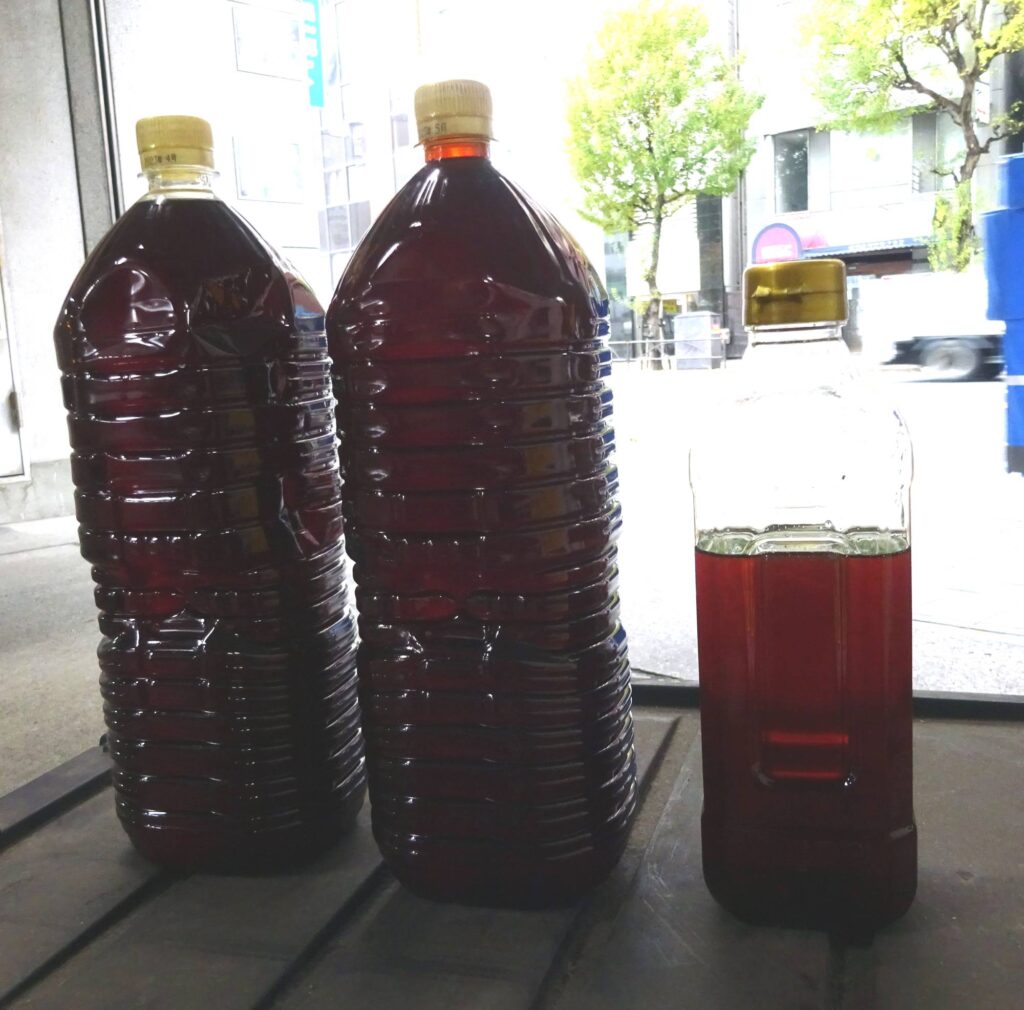
Lower Carbon Emissions: Because the oil originates from plants, its carbon output is largely offset by the carbon those plants absorbed, contributing to a near carbon-neutral cycle.
Less Air Pollution: It significantly reduces sulfur oxides, carbon monoxide, and particulate matter—key urban pollutants.
Related Topics:
Chinese Used cooking oil prices setting to a new high after European biodiesel decision
Adulterated foods exceed $40 billion annually, with olive oil, honey, and milk at the forefront