

Food & Climate
Farm to Feed and SA Harvest aim to combat food waste in Africa, the continent with the highest rate of food insecurity globally, and have recently taken new steps in this direction.
Kenyan agri-tech startup Farm to Feed , which has developed a B2B platform that connects surplus produce with new uses, has closed a US$1.5 million seed funding round to help it scale and continue to build a climate-resilient food system on the continent.
And South African greenhouse waste program tackles food insecurity
South Africa throws away enough edible food each year to feed every hungry person in the country.
The numbers are staggering: an estimated 10-million tonnes of food end up in landfills annually, while one in five South Africans goes to bed hungry, according to a report seen by “Food & Climate” platform.
Platform to decrees the food waste in Africa
Founded in 2021 by CEO Claire Van Enk, and co-founders Anouk Boertien and Zara Benosa, Farm to Feed aims to reduce food loss by aggregating and creating a new market for imperfect or surplus produce.
The startup’s tech-enabled platform aggregates supply and demand, optimises logistics, and provides seamless customer interaction.
Farm to Feed’s US$1.5 million funding round includes US$1.27 million in equity, led by Delta40 Venture Studio, with participation from DRK Foundation, Catalyst Fund, Holocene, Marula Square, 54Co, Levare Ventures and Mercy Corps Ventures, as well as US$230,000 in non-dilutive funding from DEG’s DeveloPPP Ventures programme.
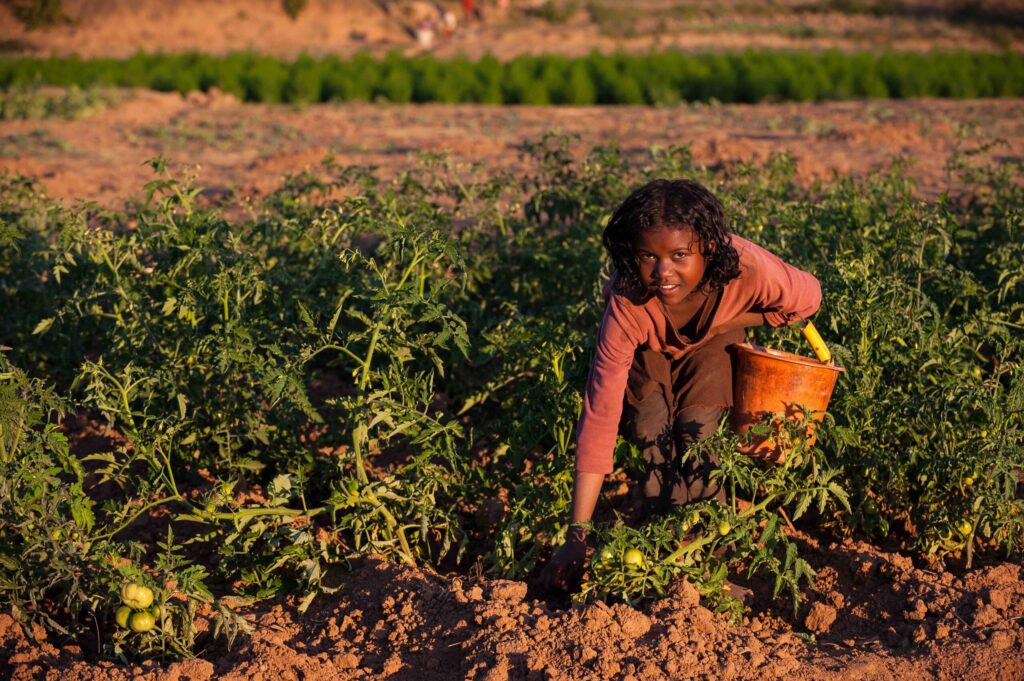
To date, Farm to Feed has grown 100% year-on-year, onboarding 6,500 farmers onto the platform, selling over 2.1 million kgs of produce and avoiding 247 tonnes of CO2e.
It will use its new capital to scale operations across Kenya and into regional markets, strengthen its digital platform, and expand its new semi-processed product line to unlock higher-value markets for African farmers. This will open new local and global markets.
“This funding allows us to expand our reach, connecting more farmers to a market that is increasingly demanding sustainably produced food,” said Van Enk. “As we scale, technology remains at the core of our growth, and we’re excited to enhance our systems to support expansion beyond borders. How we feed the future must be reimagined – rescued, regenerative, indigenous, and crafted to deliver value to farmers, nutrition for customers and climate benefits”, according to “Horti Daily”.
It isn’t just a moral crisis
For SA Harvest, the country’s fastest-growing food-rescue and logistics NGO, this contradiction isn’t just a moral crisis; it’s a solvable systems problem. Their latest innovation, the Greenhouse Programme, aims to prove it.
“We have enough food to feed our nation. The challenge lies in the systems of how we move, store and preserve food efficiently and equitably,” says Ozzy Nel, CEO of SA Harvest. “The Greenhouse Programme demonstrates that food waste and hunger are two sides of the same solvable problem.”
Since its inception in 2019, SA Harvest has built a powerful national logistics network that rescues surplus food from farms, retailers and manufacturers, delivering it directly to more than 250 beneficiary organisations in South Africa.
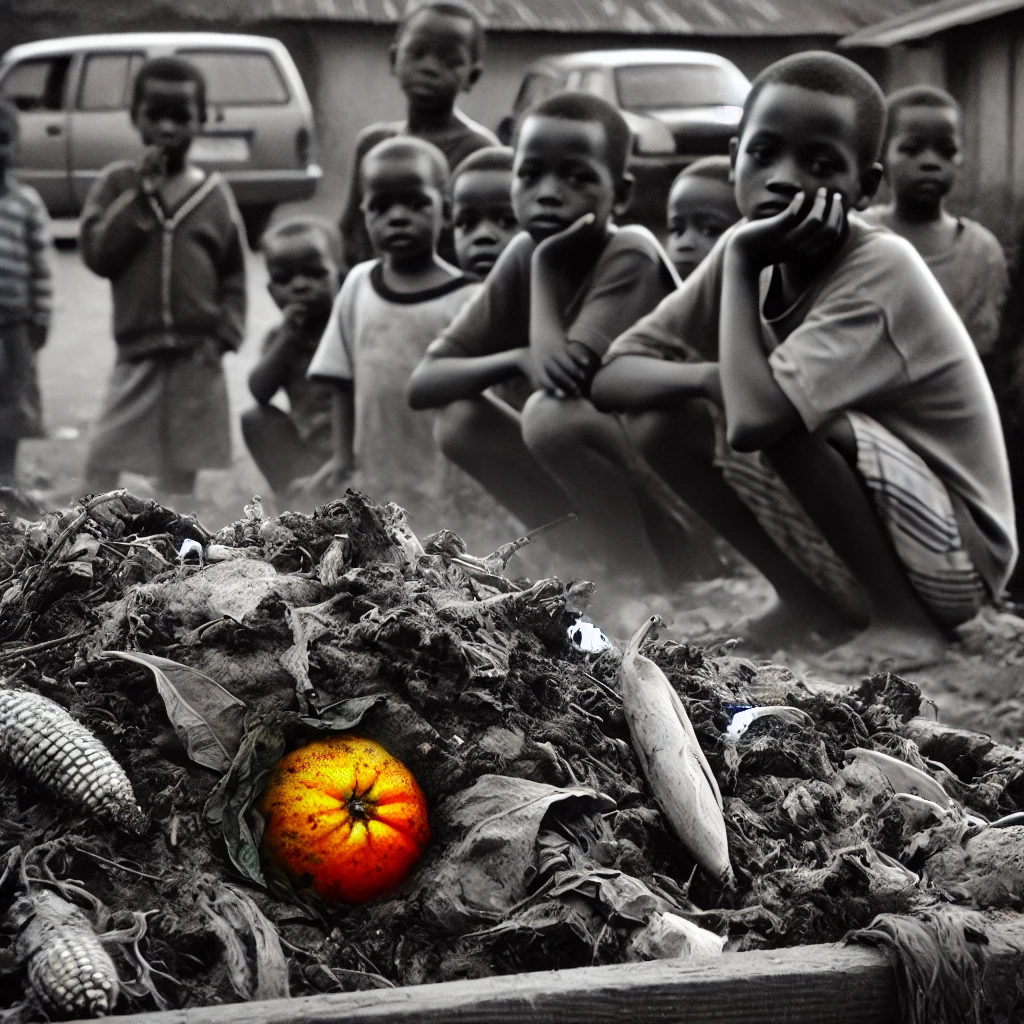
In just six years, it has rescued and redistributed more than 60-million kilograms of nutritious food, preventing an estimated 180-million kilograms of CO₂-equivalent emissions from landfill decomposition, according to “Disrupt Africa”.